Can you imagine riding somewhere where you might literally be the first ever gravel rider to visit? It won’t happen quite yet, but the tiny mid-Atlantic island of St Helena will one day soon be open for business to gravel riders. We get the inside scoop on what the future may hold for this gravel riding paradise.
Image courtesy of St Helena Government
In the middle of the South Atlantic ocean, 1950 km west of the coastline of Namibia and Angola, lies a tiny gravel-strewn utopia which looks like something from the spotter's book of paradise islands. With an extraordinary setting of cliffs rising up to 300m high out of the limitless ocean and the land going on up to 820m with a wetland on top, is an island that measures just 17 x 9.5 km, with a lot of gravel – some of it full of potential for gravel riding.
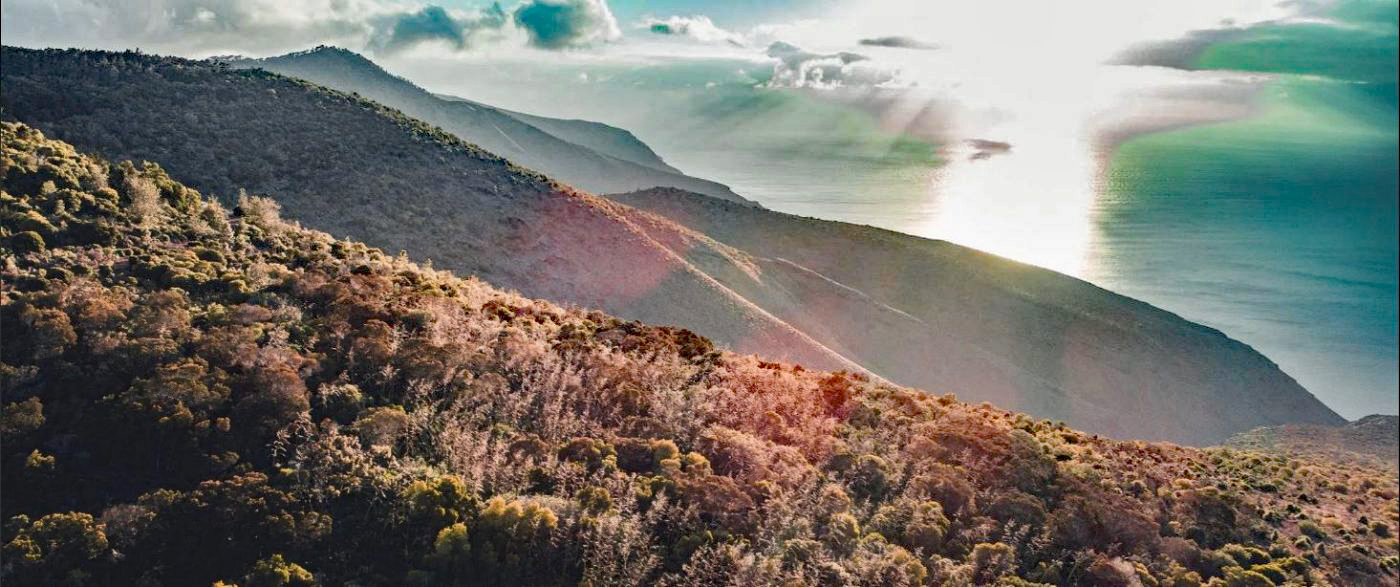
Image courtesy of St Helena Government
Schoolchildren might have heard of it because it is where the British incarcerated Napoleon Bonaparte after his final defeat at the Battle of Waterloo and he died here. It is of course St Helena Island, a British Overseas Territory with a population of just 4000 people.
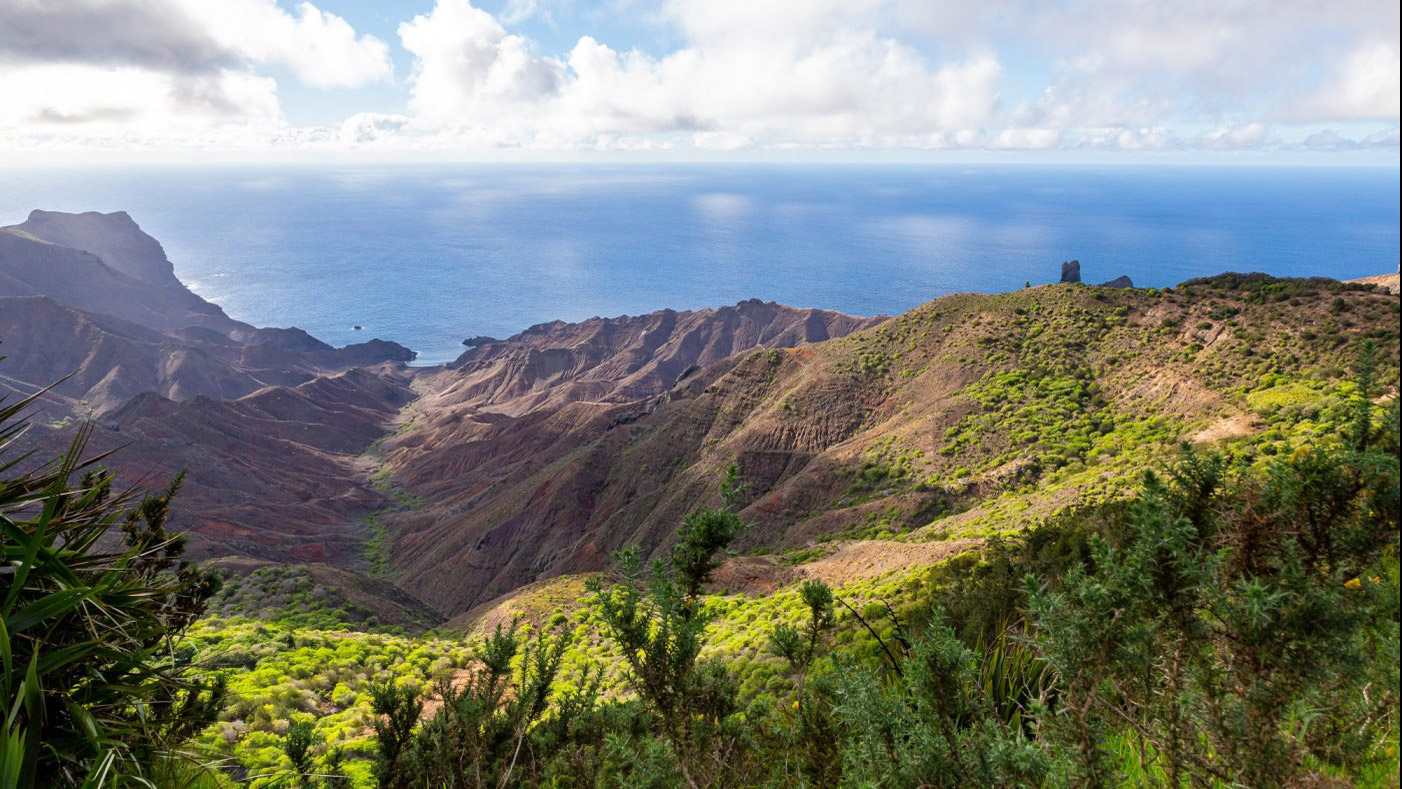
Image courtesy of St Helena Government
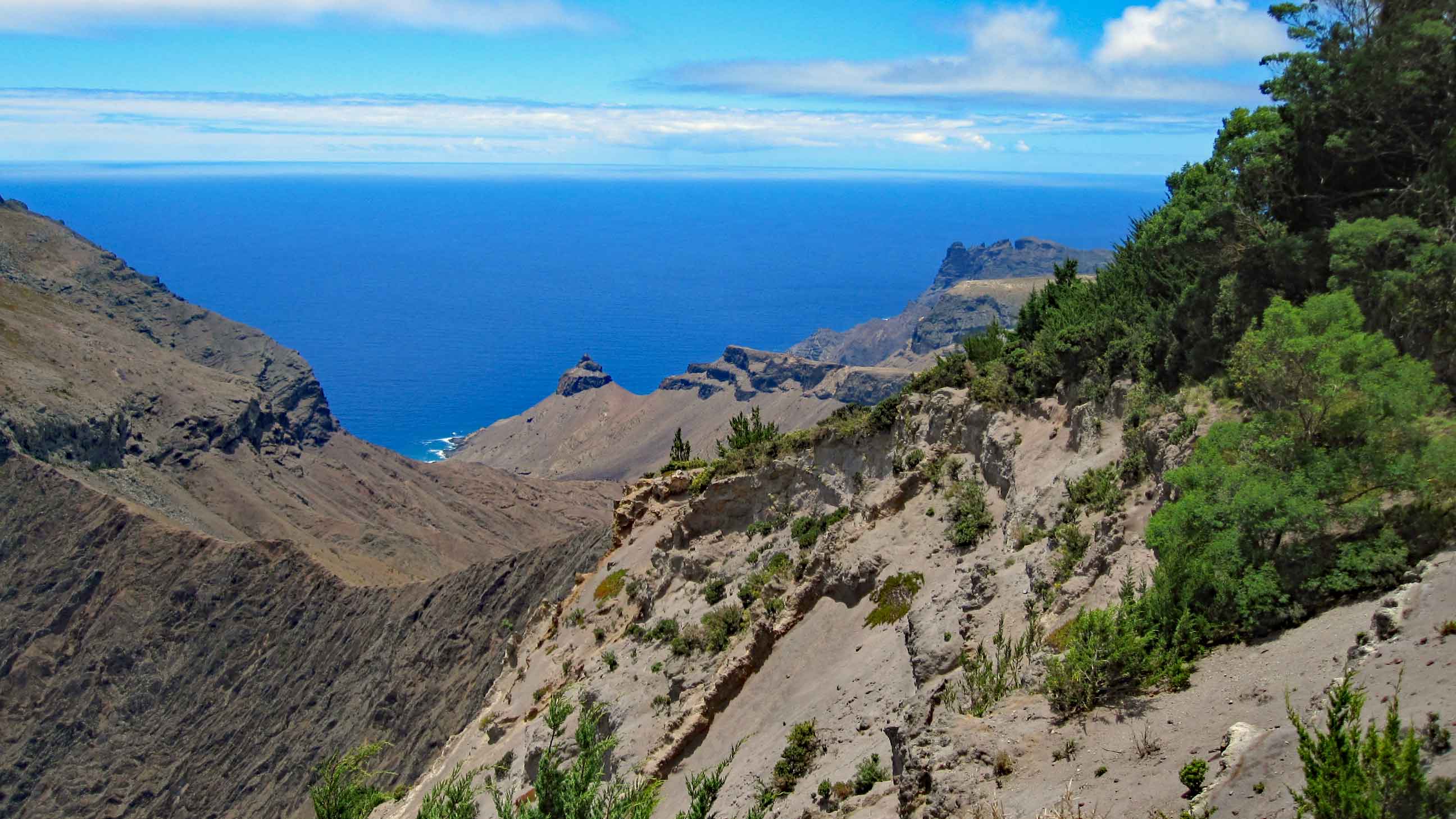
The island seems to tick all the boxes for the perfect adventure riding location. It has a network of twisting country lanes that might be found in Tuscany or the Ardeche. It has scenery in places reminiscent of Dartmoor or the Brecon Beacons (complete with sheep) and climbs to test the fittest of us (and our brakes). Add in a Mediterranean-like climate and every landscape from stony desert to lush semi-jungle, fine Georgian architecture, good seafood, bananas and mangoes to eat, brilliant snorkelling, diving and sailing and it’s all starting to sound too good to be true.

Images courtesy of David Taylor
You might wonder why gravel riders are not already coming here in numbers? Well, the problem is getting here with bikes – at the moment.
In the 18th and early 19th centuries, 1200 sailing ships a year called at St Helena to pick up fresh water and provisions on their long voyages between Europe and India and the East, but the coming of steamships and then the creation of the Suez Canal ended that in the mid-19th century. Since then, the island has had little means of earning its keep. Historically there was flax production for rope and string manufacture, but that died in the 1960s, in part when the British Post Office changed to using rubber bands instead of string to gather together bundles of post.
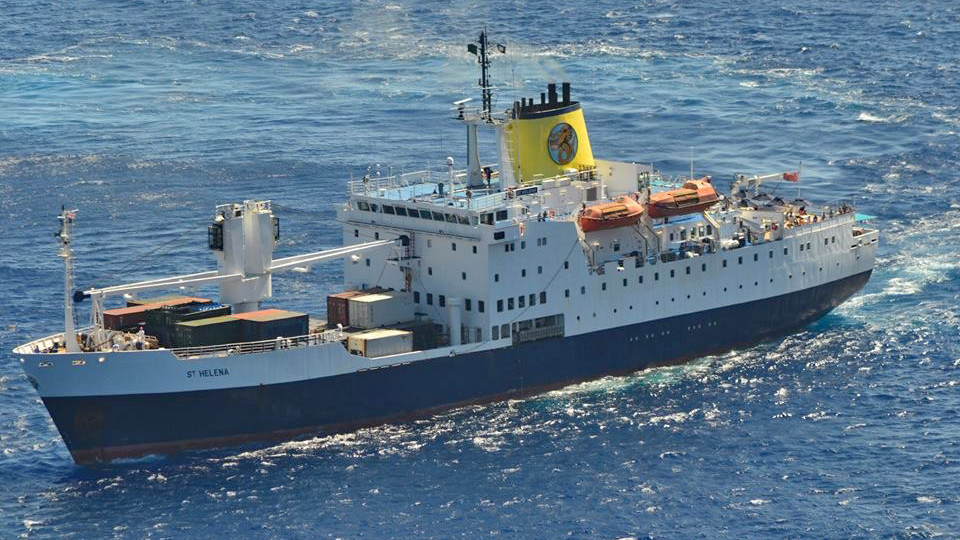
Image courtesy of David Taylor
Until forty years ago Union Castle liners called regularly at St Helena, on their voyages between Britain and South Africa. When that service finished in the 1980s, Britain provided a Royal Mail Ship, the RMS St Helena, which sailed monthly between Cape Town and the island and alternately on to Ascension Island – and annually to Britain. Bikes could be carried on these but, alas, they are no more and the RMS St Helena was sold off in 2018.


Images courtesy of St Helena Tourism
Today, the island has just a small airport, opened in 2017, with 80-seater aircraft flying in weekly to and from Johannesburg (with occasional additional summer time flights from Cape Town too). There is additionally a once monthly flight to Ascension Island. At present civilians are not permitted to travel on the military flights which fly to Ascension from the UK and the USA, which means that travelling to St Helena via Ascension Island is not currently a viable option.
The airport on St Helena has a short runway and tricky wind conditions on the top of cliffs so the scale of aircraft that can use it is limited. That, combined with the fuel demanded by the 3700 km distance from Jo’burg, limits the payload. This unfortunately means no gravel bikes at the minute.

Nevertheless, the future economy of the island probably lies with high-value-low-volume tourism and specifically tourists who value the natural resources of the island. Discussions are currently being held to change the flight to Cape Town in the future, a flight of ‘only’ 3130km, rather than 3700kms to Jo’burg and that may open up some potential to carry bikes. Cape Town is also much more civilised than Jo’burg so your bike is more likely to survive the transfer between flights! Also, the Western Cape has its own wonderful potential for gravel riding, so a two-centre holiday is a possibility.

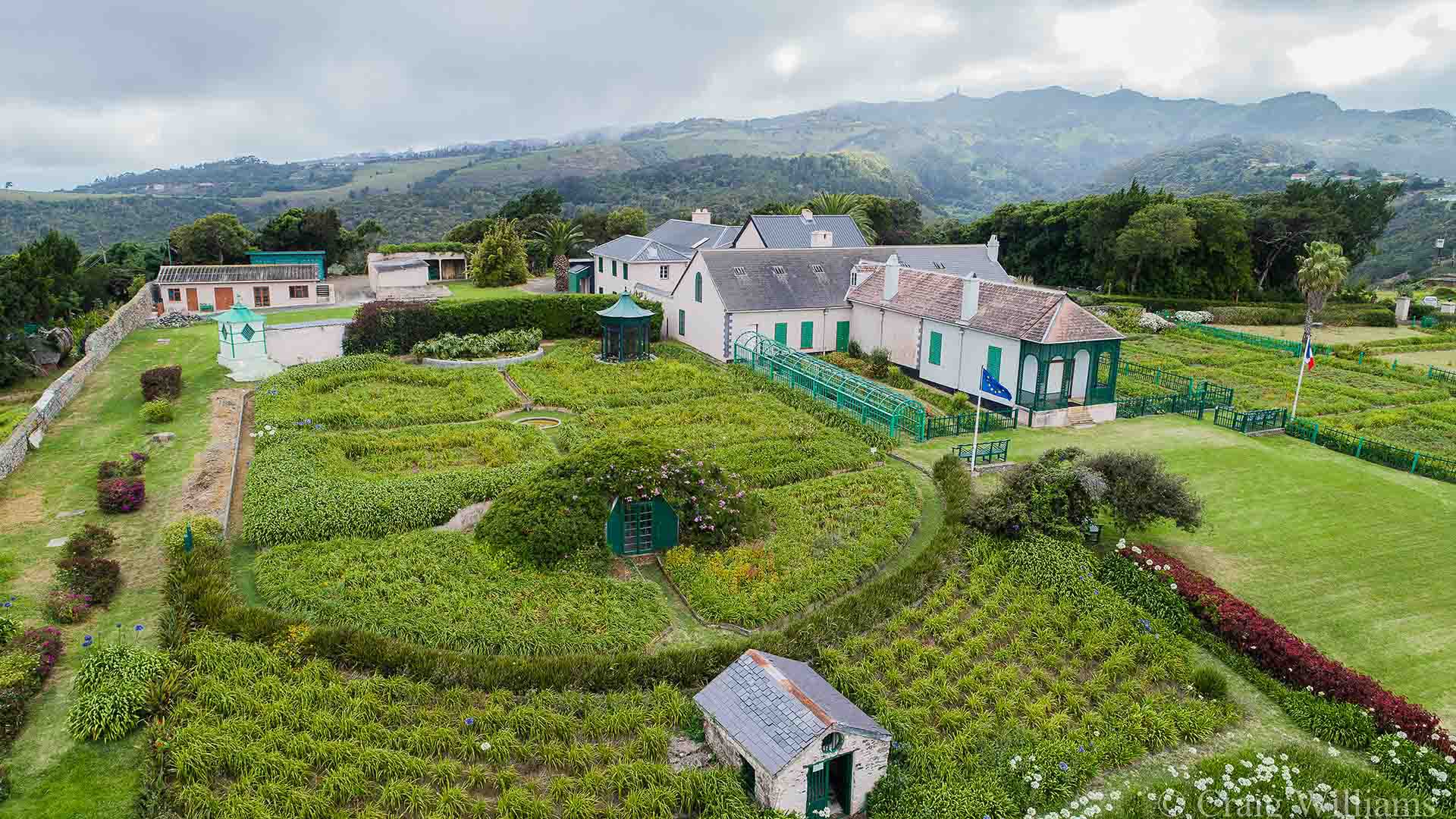
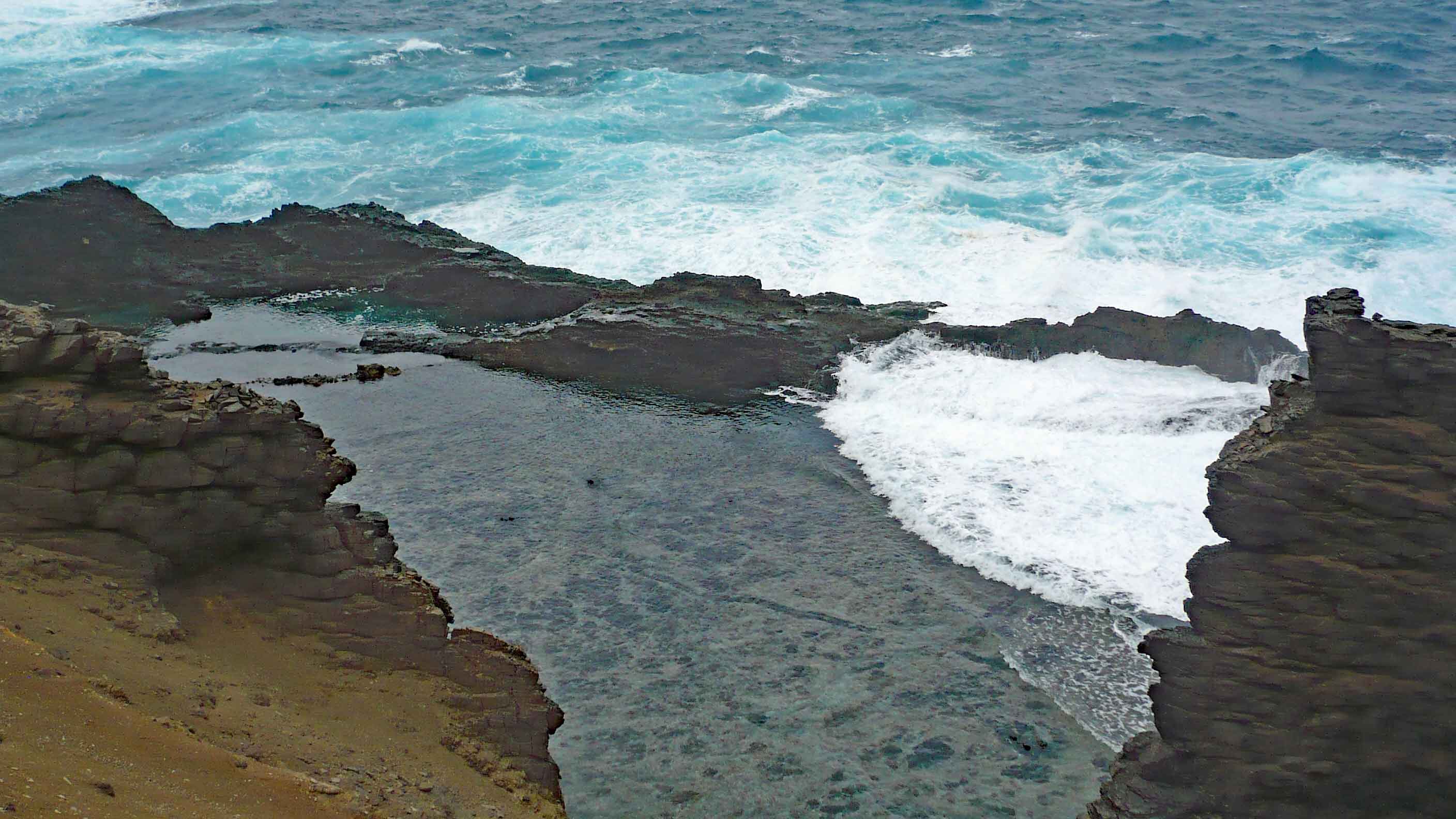
Image courtesy of St Helena Tourism
Image courtesy of St Helena Tourism
Image courtesy of David Taylor
Time will tell, but keep your eyes open for news. St Helena needs tourists of the sort who will respect and rejoice in its natural environment without creating unnecessary pollution, not least to protect the island’s remarkable ecology and gravel riders will meet that admirably and find huge challenge and enjoyment.
david taylor
Can you imagine riding somewhere where you might literally be the first ever gravel rider to visit? It won’t happen quite yet, but the tiny mid-Atlantic island of St Helena will one day soon be open for business to gravel riders. We get the inside scoop from island resident David Taylor on what the future may hold for this gravel paradise.