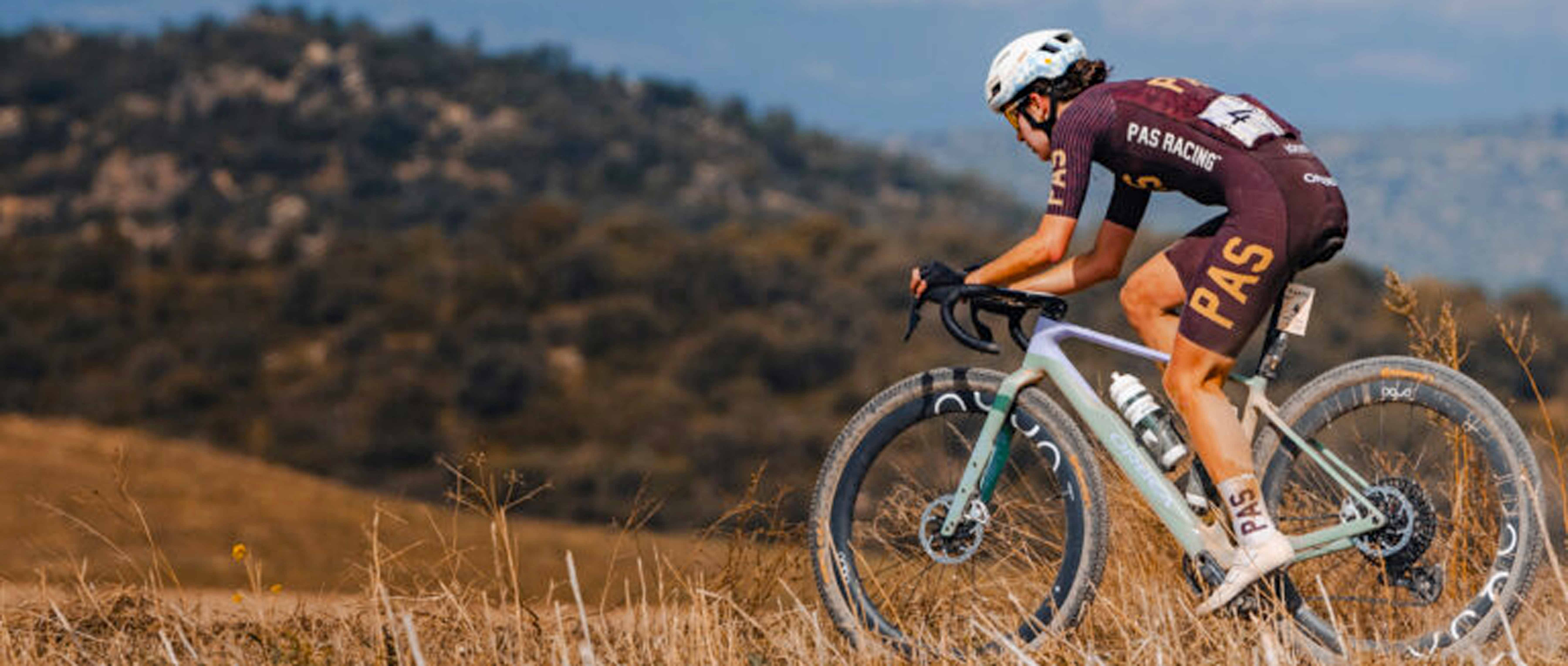
It may seem like 2026 has only just begun, but for gravel racers, the season kicks off as soon as January arrives. Jorge Padrones is aiming to line up at this year’s Gravel World Championships in Australia, but first, he needs to qualify. To do that, he recently travelled to Spain’s Castellón region to compete in the Castellón Gravel Race. Could he secure a top 25% finish and earn automatic qualification for the 2026 Gravel World Championships? Keep reading to find out.
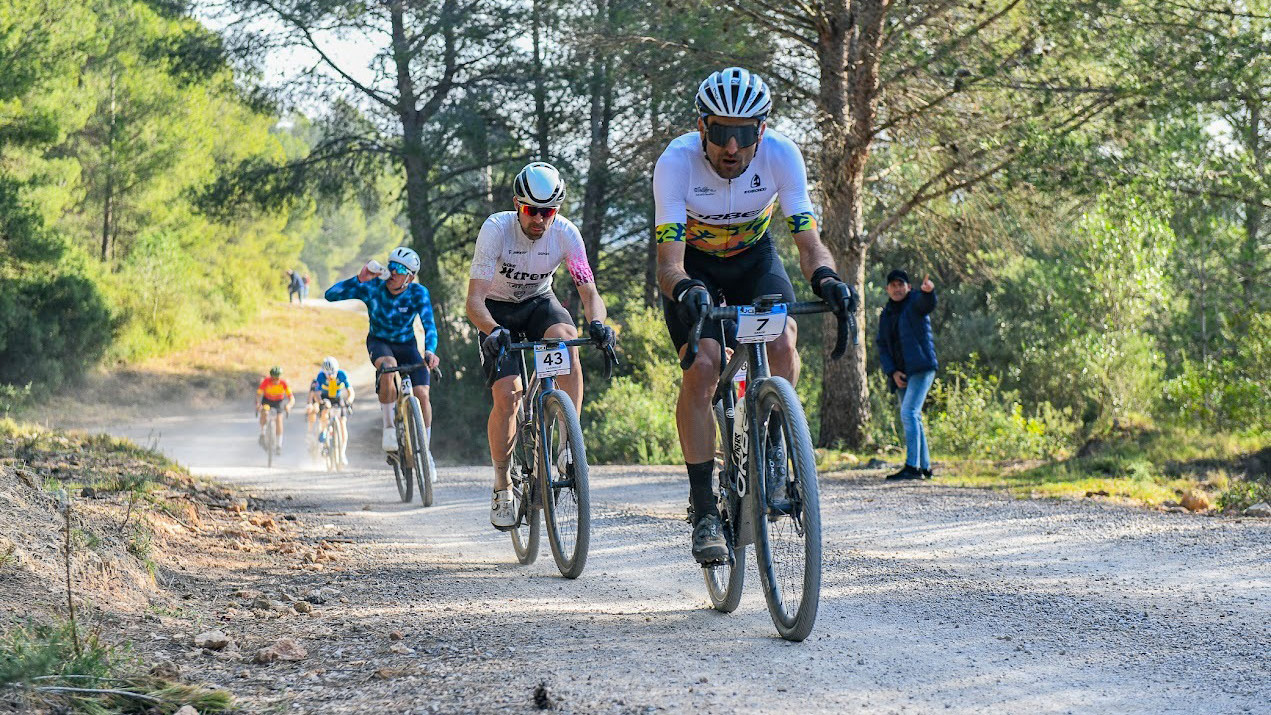
This year I started my rainbow‑chasing adventure early. It is only February and I already need to be in shape to qualify for the World Championships - always something special, but even more so this year as they will be held for the first time in the Southern Hemisphere, in the Nannup region of Australia. In my personal quest, I chose to try to qualify in Castellón, as on paper, the race suits my style of riding. Not many people know that Castellón is the second most mountainous province in Spain. Combined with its proximity to the sea and its mild winter temperatures, it makes a perfect setting for a gravel race in February.
The Castellón Gravel Race has been part of the UCI Gravel World Series since last year, meaning it serves as a qualifier for the World Championships. But that’s not all: this year it also serves as a qualifier for the European Championships, which will be held in Belgium at the end of August.
The course is truly demanding: 97 kilometres and more than 2,500 meters of elevation gain make it a tough but beautiful challenge. The interior of Castellón is full of forests and the route takes riders over five long climbs, making it one of those races where you settle into your own rhythm and climb steadily for long periods, unlike races with short, explosive climbs.
This year, the gravel roads seemed to have held up very well over the winter and we found some of the smoothest gravel surfaces you could hope for. That made the descents incredibly fast but also relatively safe, so we flew downhill on our bikes - well, some riders were also flying on the climbs.
It seems the professional teams who had raced the previous week at La Santa Vall loved the terrain and the weather so much that they decided to stay a little longer. As a result, the professional field was outstanding, with some of the best teams and riders in the world on the start line.
My only objective here was to qualify for the World Championships, so I had a plan. In races like this, full of climbs, the plan is simple: try to stay within a power range you know you can sustain for four or five hours and avoid burning all your energy too early. What I like about these races is that you don’t need to worry so much about your starting position or chasing the first group right from the beginning, unlike flatter races, where getting into the right group early is crucial.
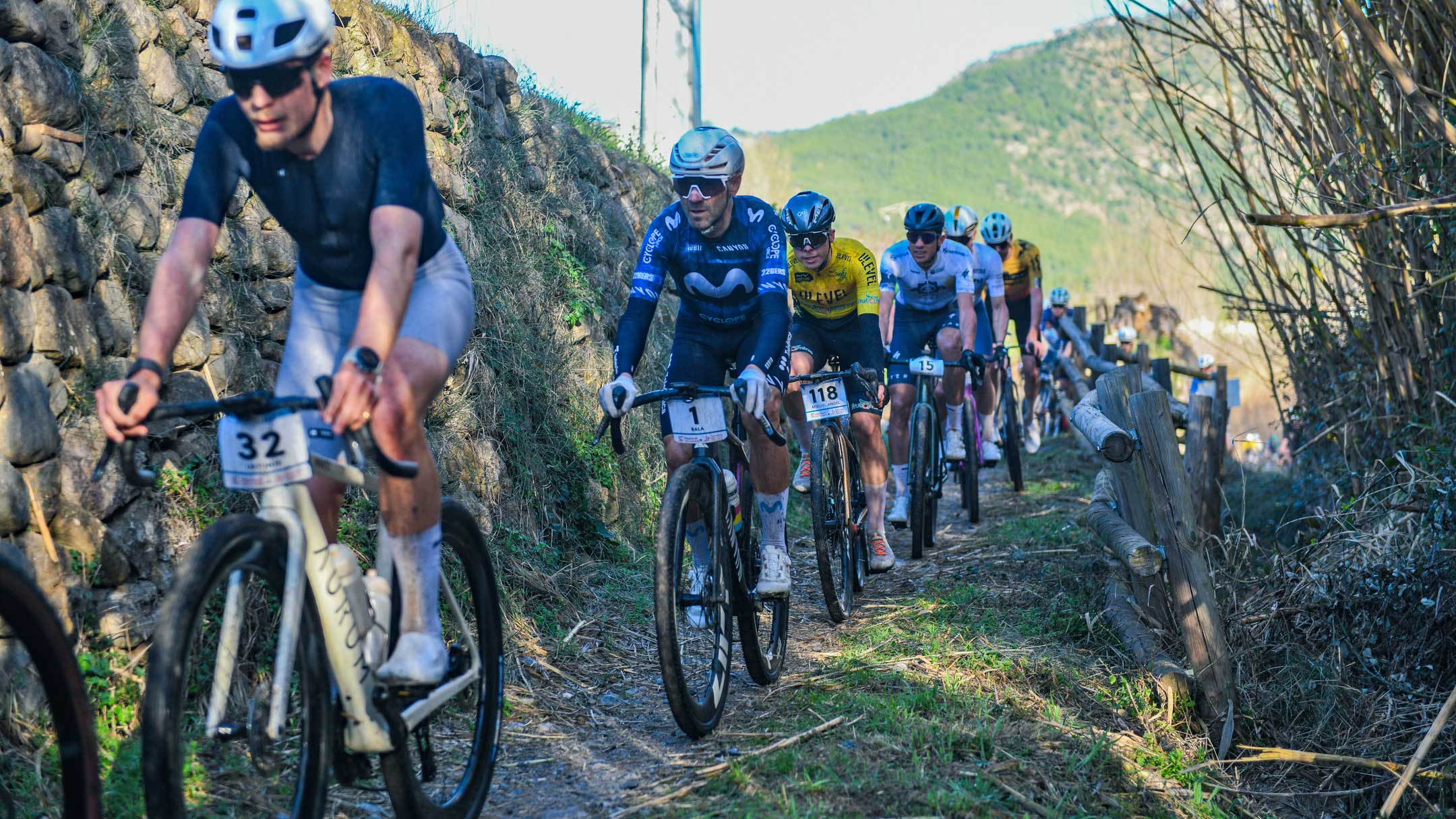
So I started by trying to stick to the strategy, which is not always easy - especially at the beginning when you feel full of energy and it seems like you have extra power. In the first half hour, the numbers you set for yourself feel easy; later on, however, it becomes much harder to stay close to them.
After a very fast start, with a paved climb and even some paved descents, we reached the base of the first real climb. That was the moment to find your rhythm and start passing riders who had suffered during the fast opening, even though we had only covered about 10 kilometres.
From there, the race became a matter of pacing the effort, especially over the four long climbs that followed and enjoying the fast, smooth descents. One of the climbs was even on asphalt, which I must admit we all appreciated.
On the final major climb I could feel that the strategy was working. I was passing other riders fairly easily while they were struggling with accumulated fatigue, whereas I could still maintain almost the same power, well, almost, because even I started to feel the fatigue there.
For those who didn’t know the race, or hadn’t checked the route or the finish the day before, there was a surprise waiting: the final kilometre averaged 10%, with ramps close to 20%. After more than four hours of racing flat‑out, this created the perfect scenario for cramps. Ramps like these are always a brutal test for tired legs. Fortunately, I didn’t have to fight anyone in my category in that final kilometre and could reach the finish line relatively calmly.
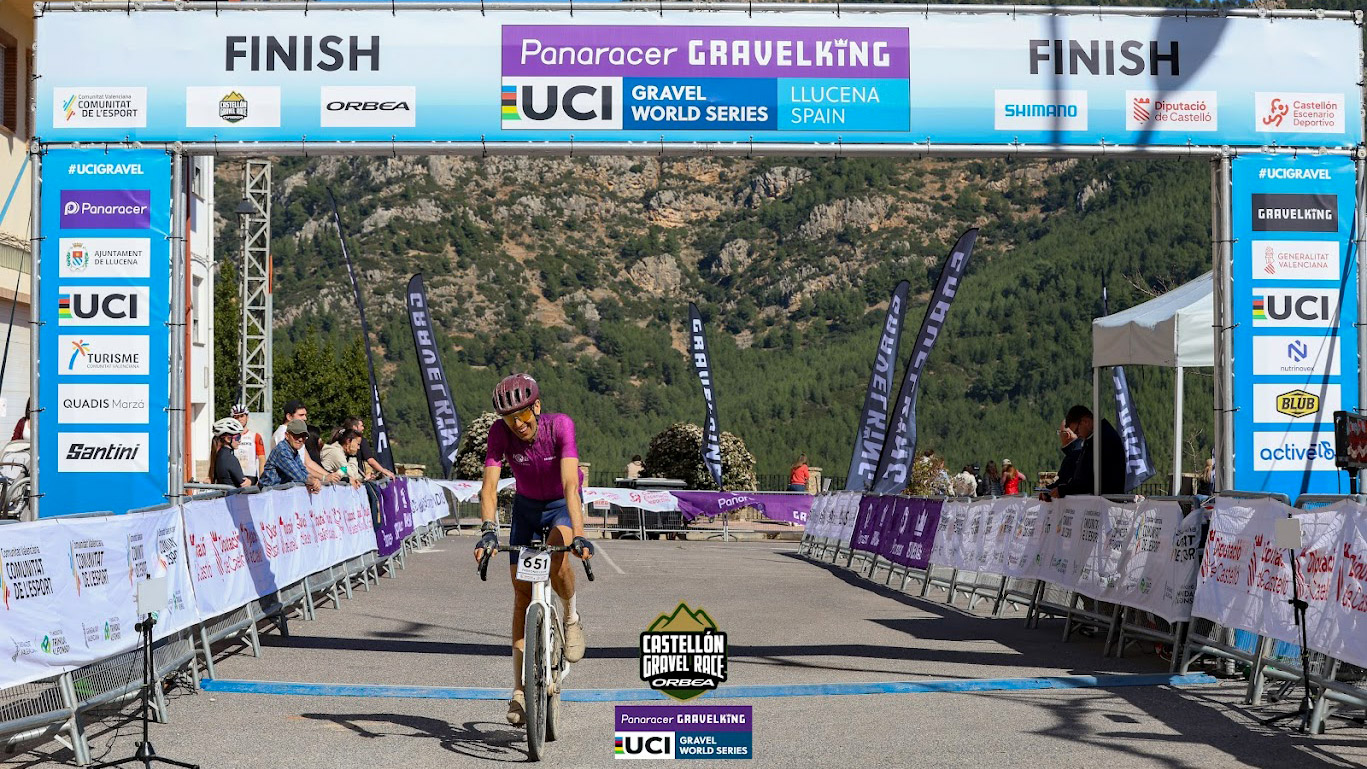
After crossing the finish line, it was time to catch my breath, grab a drink and enjoy the moment of completing one of the toughest races on the calendar. The sun was shining and the finish area was perfect—full of food, drinks, friends, and stories to share. But we had come with a mission, so it was time to wait for the results and see whether I had made it into the top 25% of my category.
Normally, I don’t like knowing my exact position because I know I’m not fighting for the win, and finishing 6th, 12th, or 25th doesn’t change my life. But this time it was different - I wanted to know if I was going home with one of those golden UCI medals. For that, my team director (also known as my wife) always goes to the timing table to find out.
When I saw her walking toward me with a big smile on her face, I started to think that maybe I had qualified. But when she arrived, she told me that not only had I qualified, I had finished in the Top 10. Last year, I had only managed 18th place and this time I had also improved my time on the course by almost ten minutes.
At that moment, the emotions took over and I felt that the dream of racing in another World Championship was becoming real once again. I couldn’t believe that I was once again part of the chase for the rainbow jersey.