Header image courtesy of James Cameron Heron/Gravel Burn
It seemed like back at the start of this year every time you looked at social media or opened a cycling-relating webpage, there was something mentioning the upcoming Gravel Burn stage race. The marketing obviously worked and Jorge Padrones signed up to test himself in the inaugural running of this event. If the thought of racing on perfect tracks, through spellbinding scenery, lit up with flaming campfires get's you excited, then read on, but prepare to be inspired (and probably ending up having to sell your soul to be there next year....)
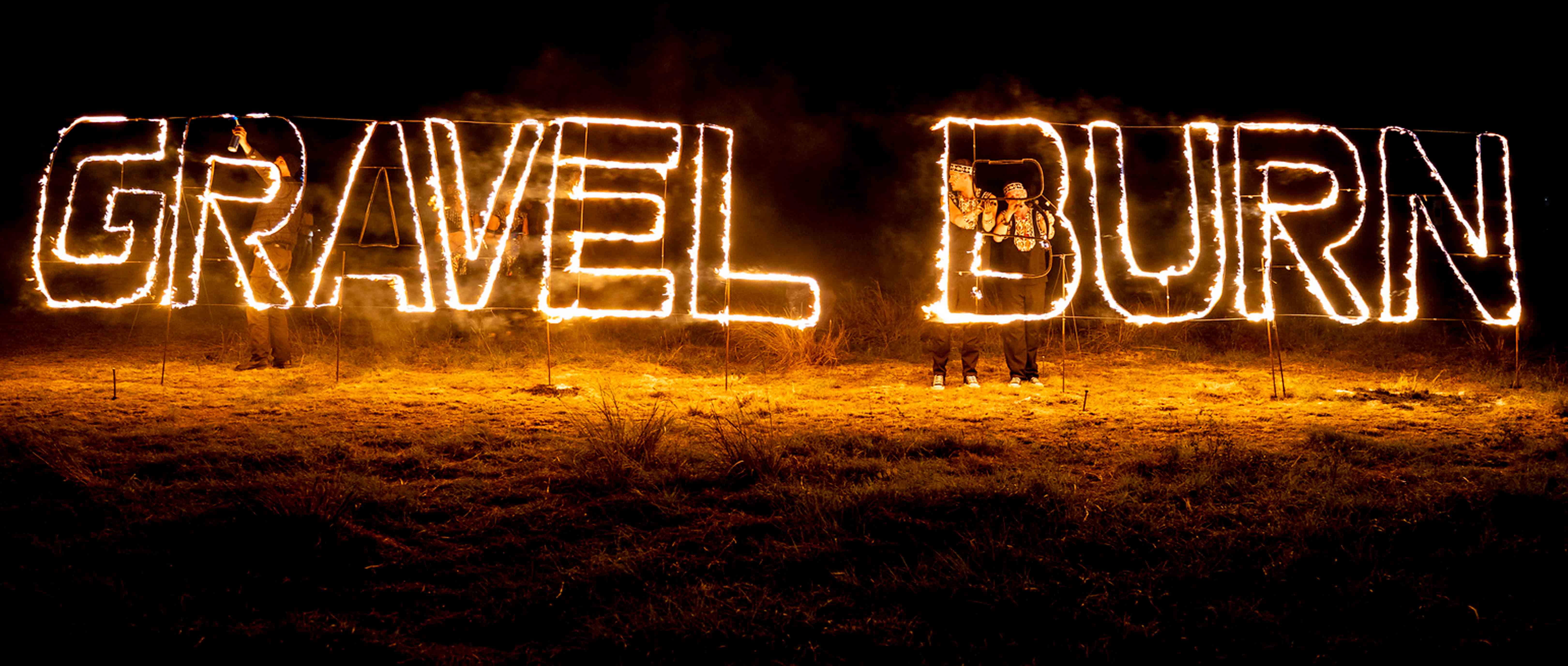
Image courtesy of Bruce Viaene/Gravel Burn
Gravel Burn is a new gravel stage race that hosted its inaugural edition at the end of October in South Africa. This event aims to redefine the concept of gravel stage racing. It was designed and developed by Kevin Vermak, the founder and creator of the world’s most successful MTB stage race, the Cape Epic, together with his team.
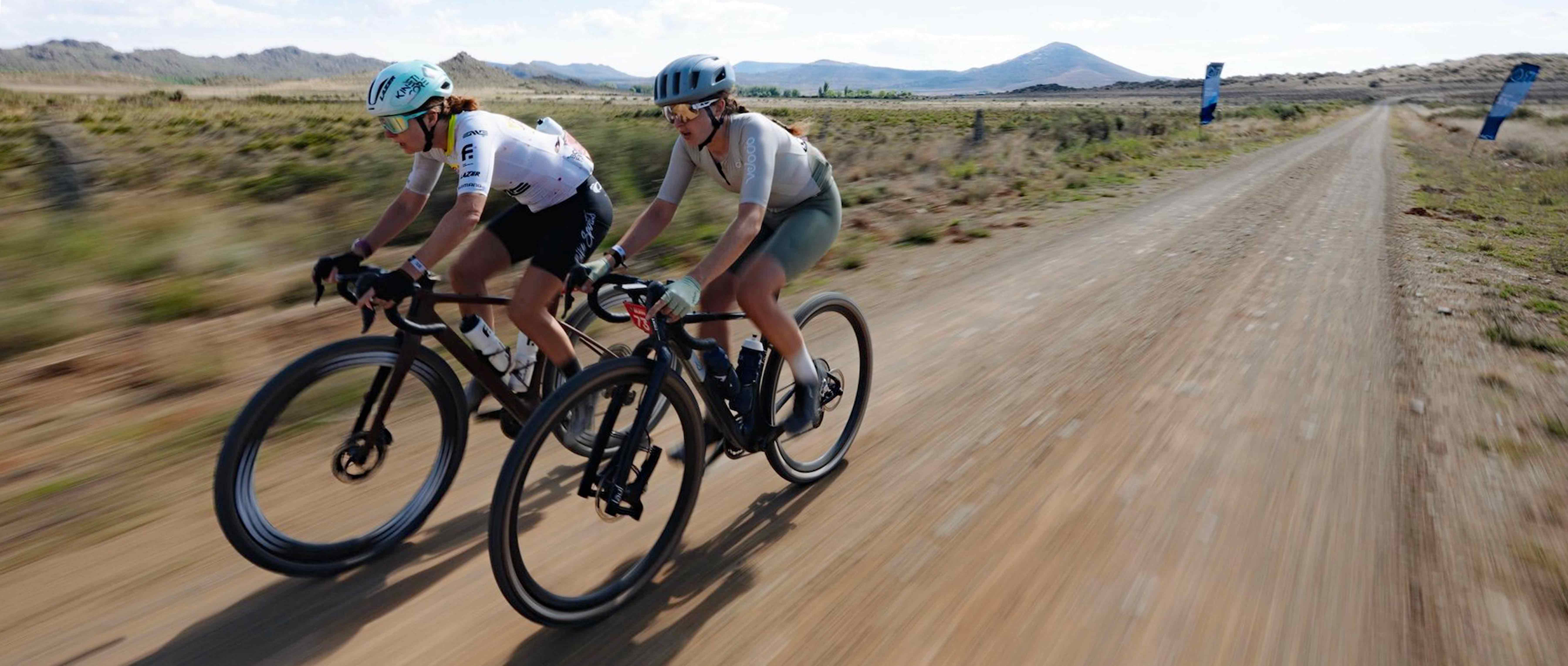
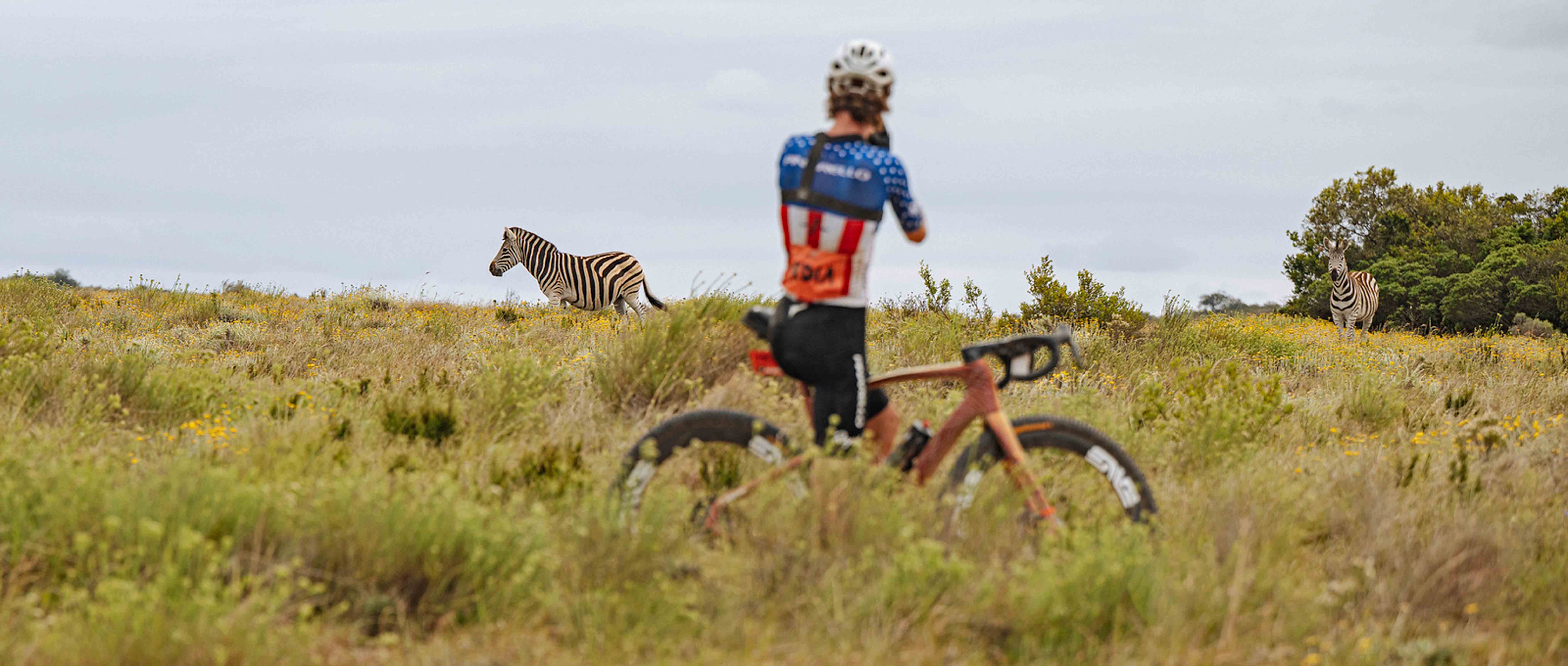
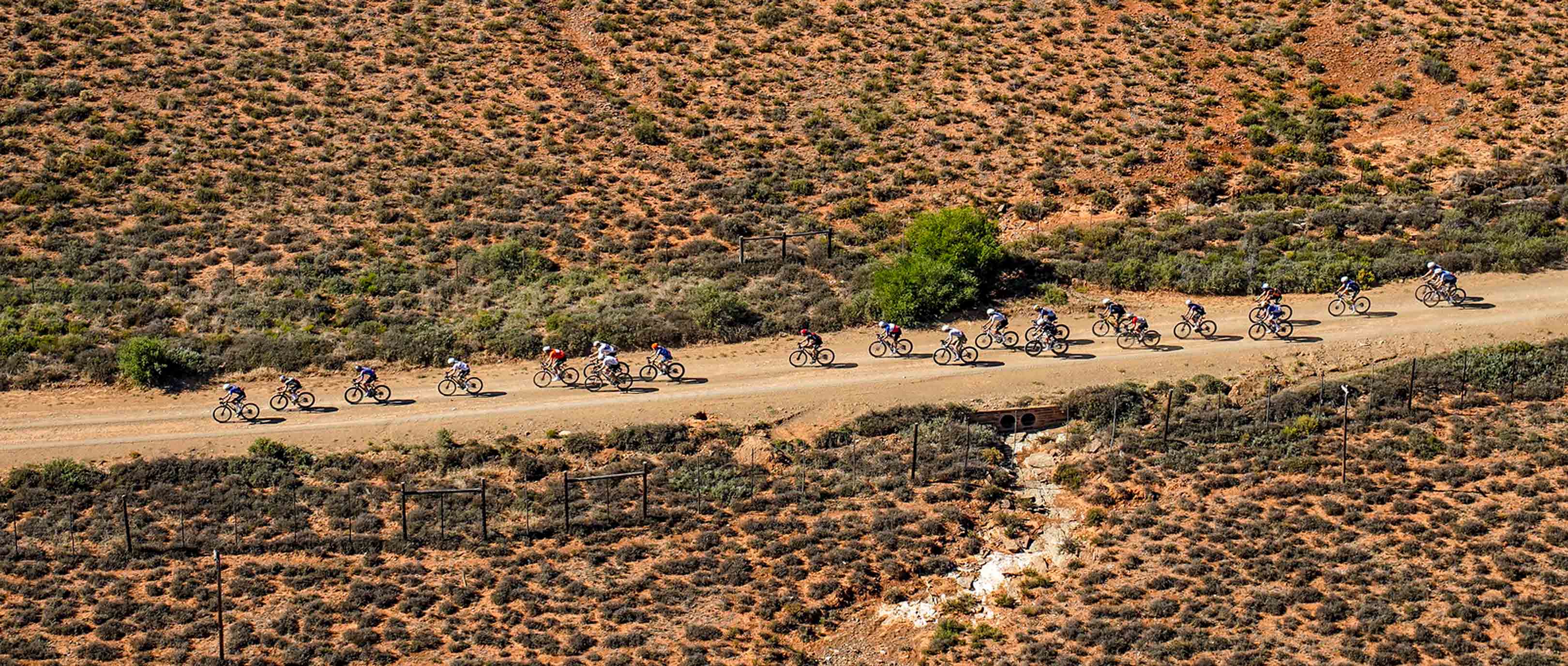
Image courtesy of Gravel Burn
Image courtesy of Paul Ganse/Gravel Burn
Image courtesy of Bruce Viaene/Gravel Burn
The location chosen for this inaugural edition was South Africa’s legendary Karoo, a semi-desert region with rugged landscapes and demanding terrain that left a lasting impression. The route led riders from the coastline into this arid expanse. The race began in Knysna, a picturesque village at the heart of the Garden Route and also the starting point of the very first Cape Epic.
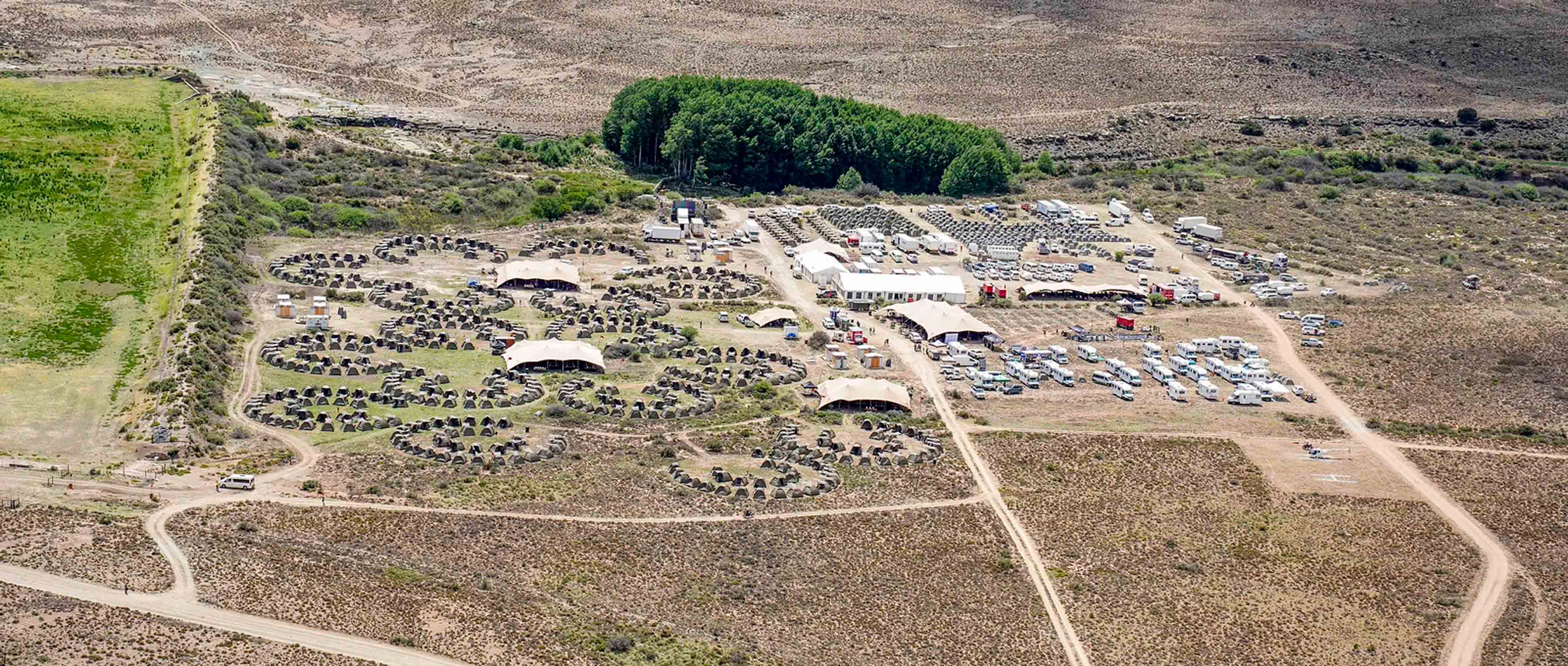
Image courtesy of Bruce Viaene/Gravel Burn
From there, the riders covered 800 km and over 10,000 meters of climbing through the Karoo, a land deeply connected with fire, which inspired the race’s theme and its motto: ‘fuel the fire within.’ Even the winner’s trophies were fire starters, tools used to inject air into kindling to ignite a flame. For the Pro categories, these fire starters featured a real gold ring engraved with the race profile. Camps were arranged in circles around a central bonfire lit each evening, which also warmed riders in the mornings. A nighttime criterium was illuminated by bonfires and fire remained the central motif of the post-race celebration. As you can see, ‘Gravel Burn’ is more than just a name - it represents a whole culture and each morning at the start line The Prodigy’s ‘I’m a Firestarter’ echoed through the camp
Gravel Burn introduced an innovative format that brought together top professional riders, competitive age-group athletes and amateurs for whom simply finishing within the cutoff time is the ultimate challenge. This structure ensured that every participant, no matter their cycling level, could find their own personal test over the seven-day event. Yet everyone shared the same route, the same camps, the same tents and even the same morning coffee queue - creating a unique opportunity to experience the race alongside world-class athletes. While the pros may have completed some stages in under four hours, the cutoff could extend up to ten, giving less experienced riders the chance to tackle the course at their own pace.
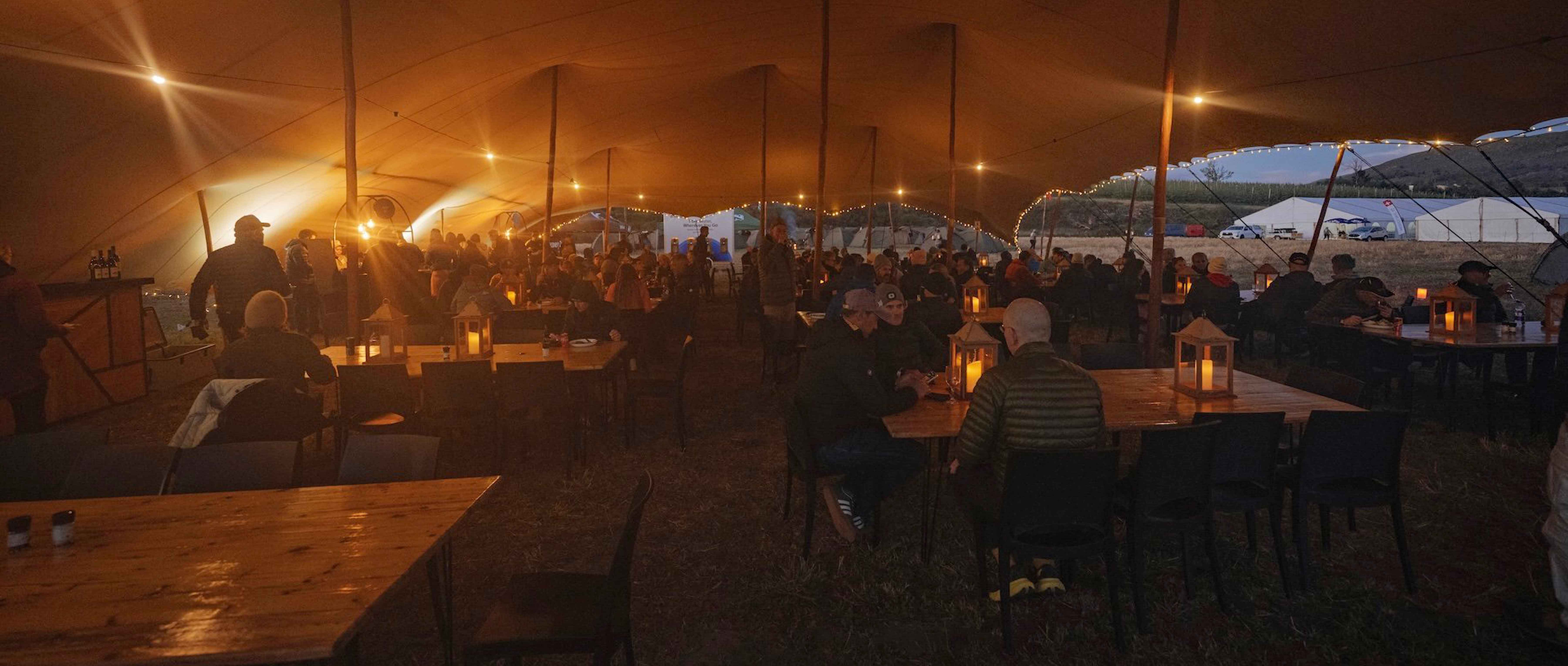
Image courtesy of Paul Ganse/Gravel Burn
All of this was delivered in a premium environment, with camp amenities that exceeded expectations despite being set in remote locations - sometimes hours away from the nearest town. It’s a formula clearly built for success and it strongly suggests that Gravel Burn is on track to become one of the ‘must-do’ events in the coming years.
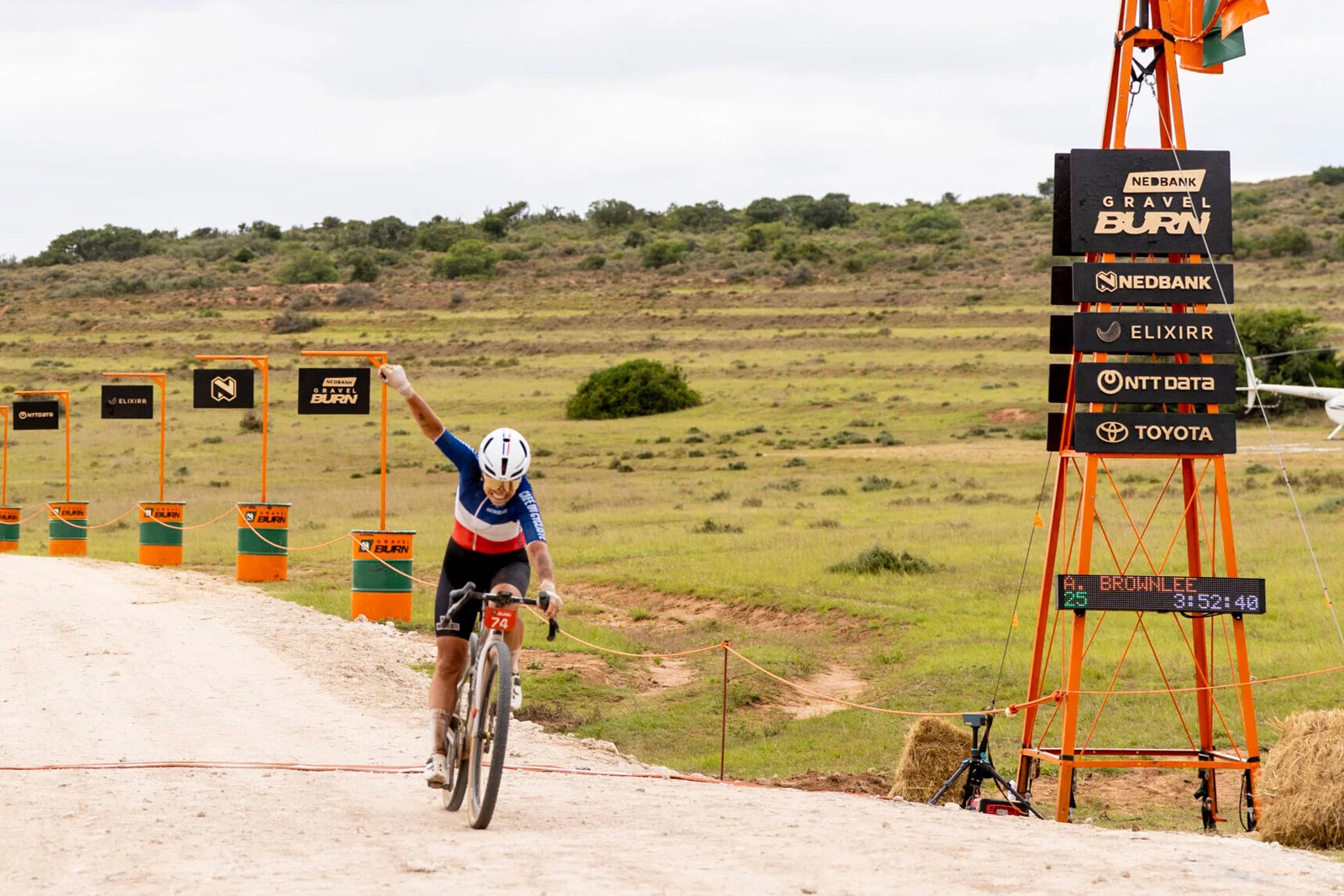
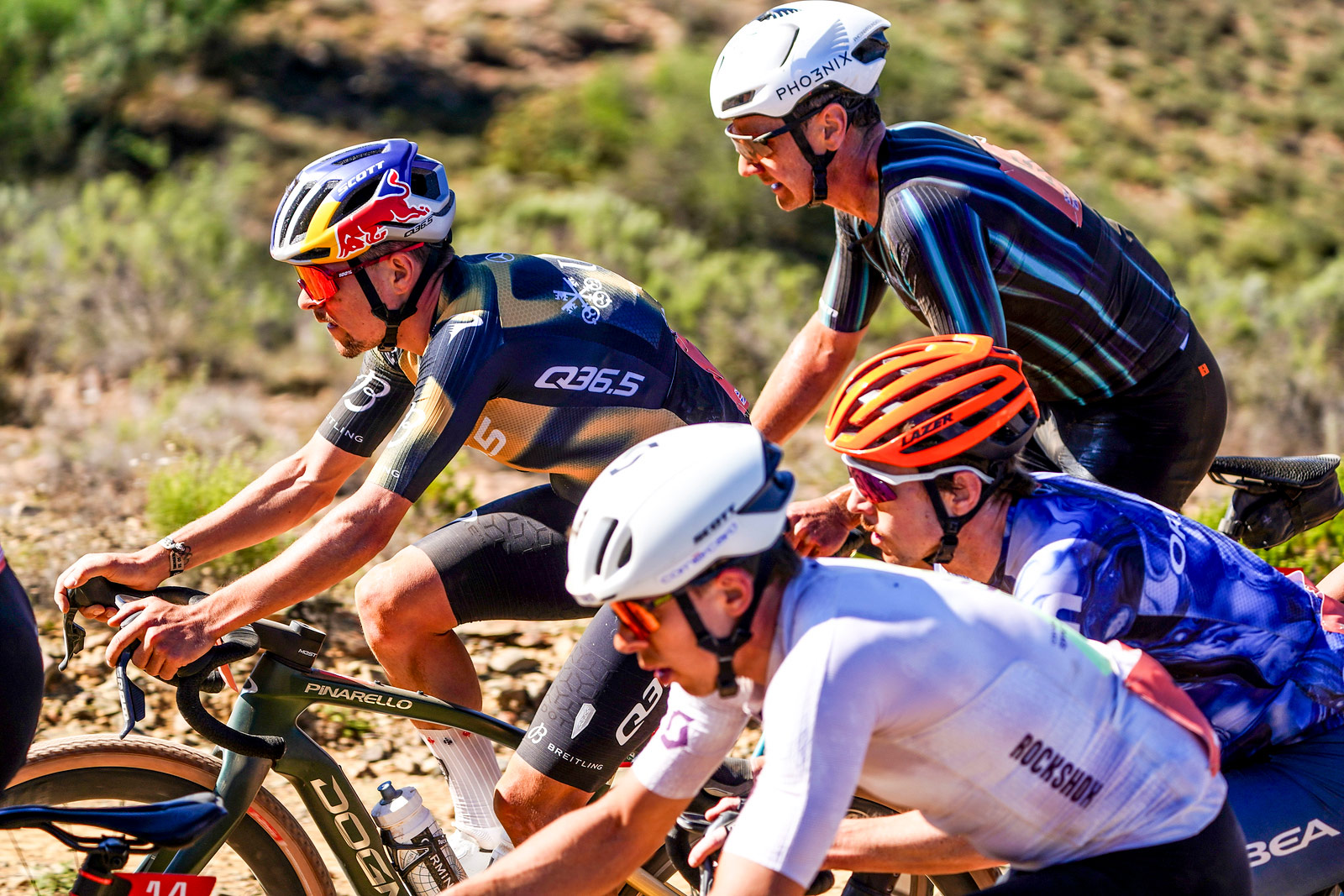
Image courtesy of Bruce Viaene/Gravel Burn
Image courtesy of Bruce Viaene/Gravel Burn
The first edition welcomed more than 500 participants and featured a standout professional field. The women’s field featured Axelle Dubau-Prévot, Melissa Rollins, Halley Preen, Ashleigh Moolman-Pasio, Allia Jackson, Madeleine Nutt, and Virginia Cancellari. In the men’s category, riders included Tom Pidcock, Matt Beers, Simon Pellaud, Lukas Baum, Alister Brownlee, Georg Egger, Andy Seewald and many other top competitors. The age-group categories also showcased prominent names such as Tomas Frischknecht, Karl Platt and Maurizio Fondriest - altogether, a truly exceptional start list.
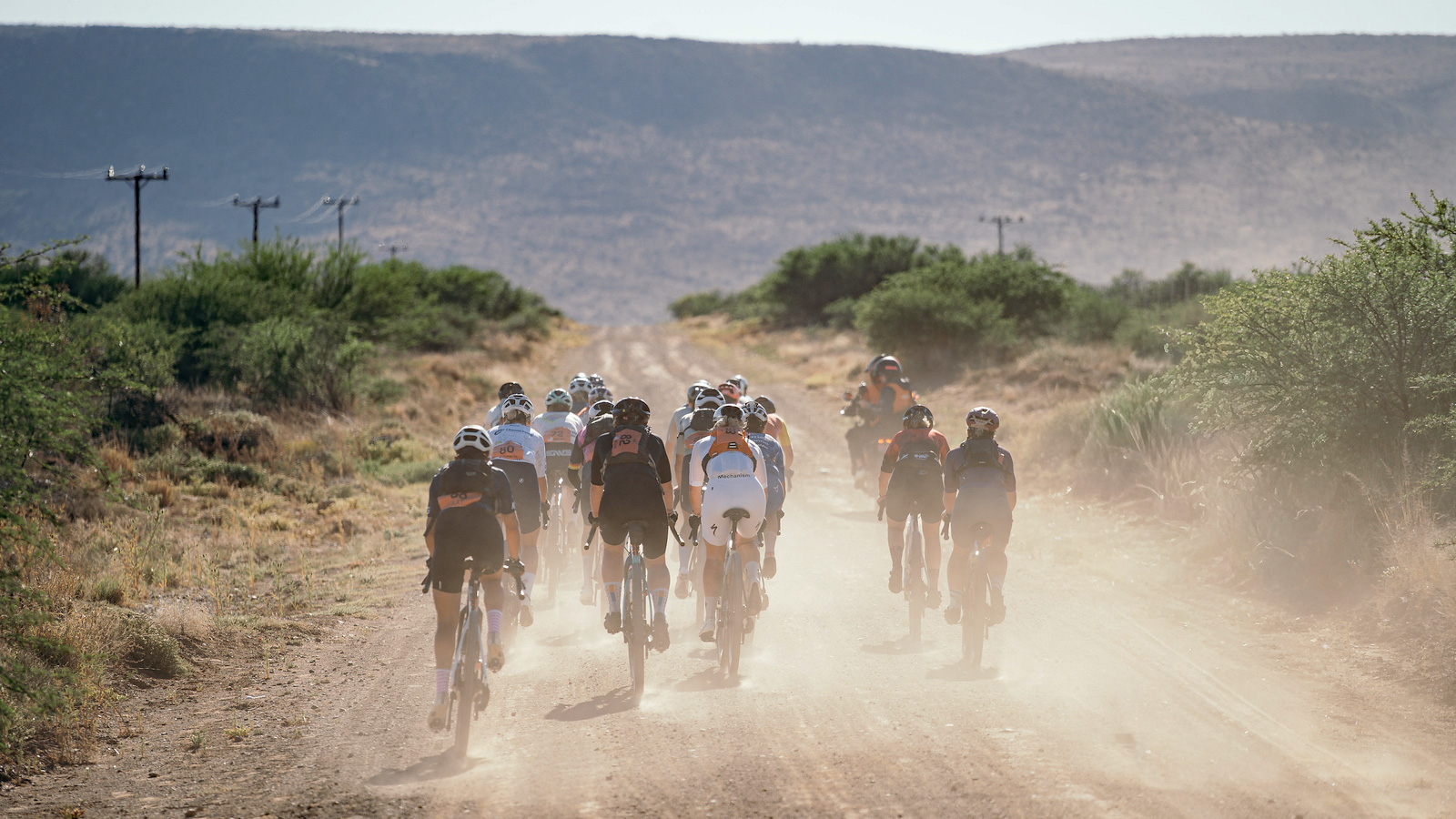
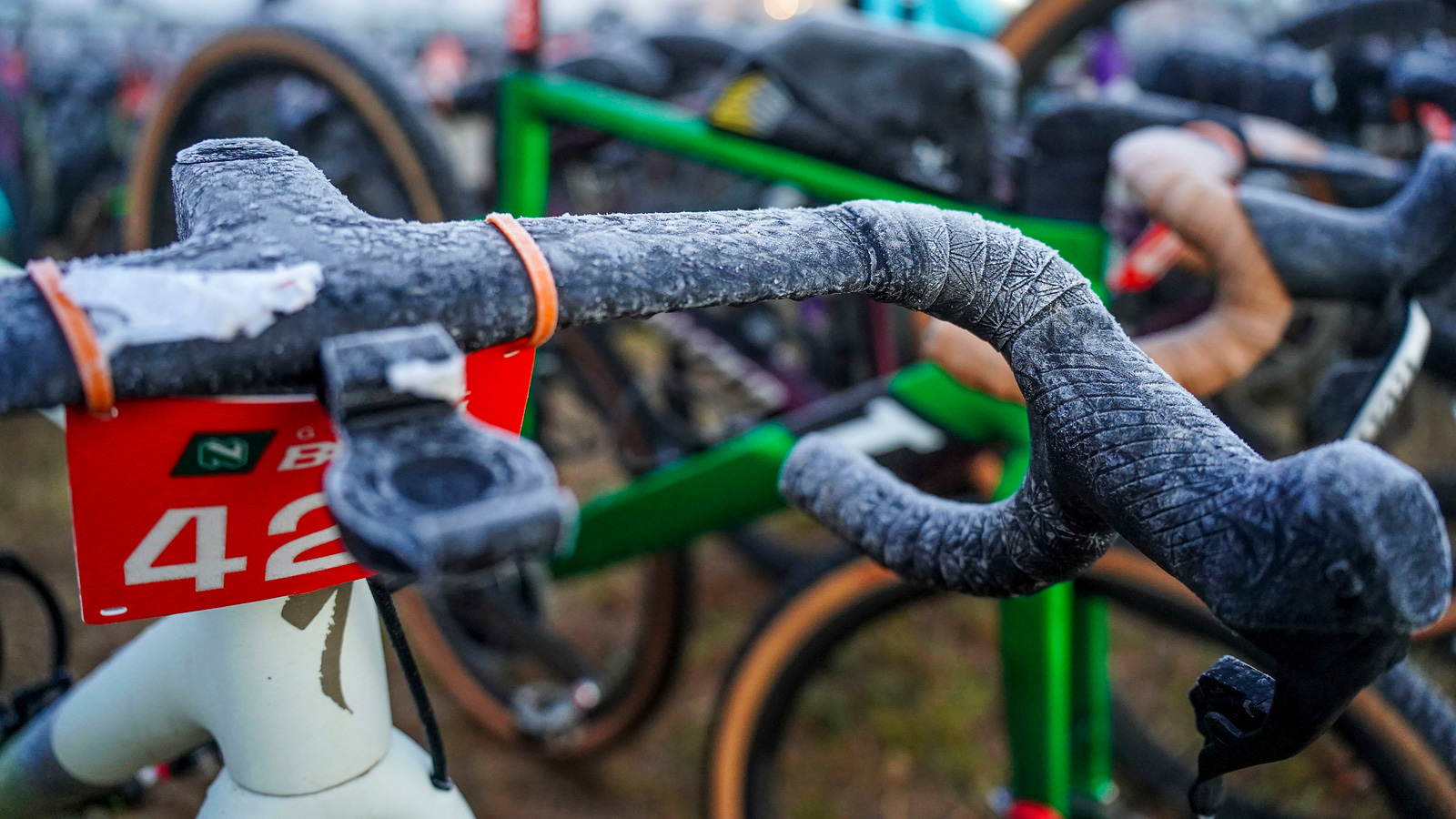
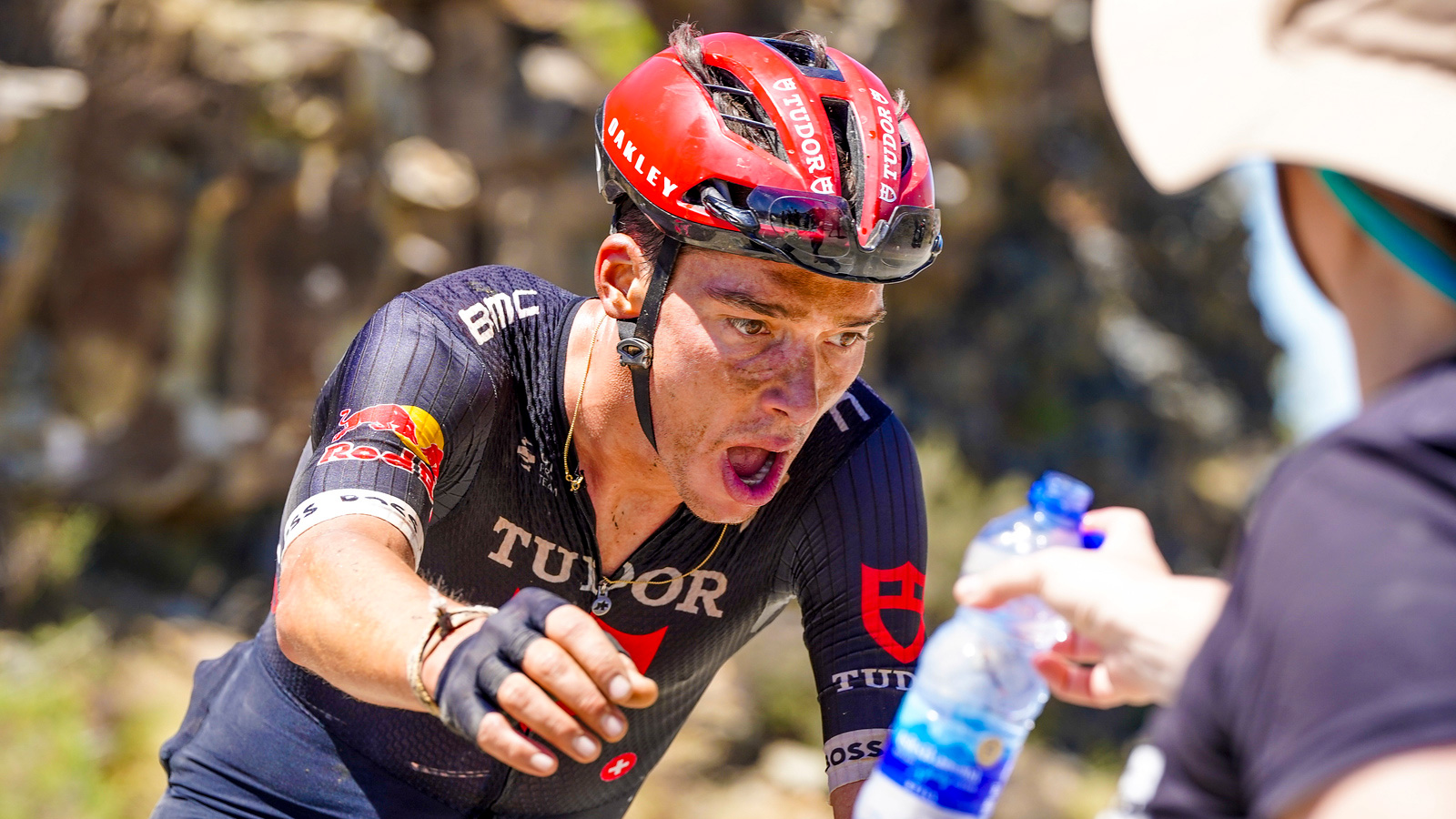
Image courtesy of Fahwaaz Cornelius/Gravel Burn
Image courtesy of Bruce Viaene/Gravel Burn
Image courtesy of Bruce Viaene/Gravel Burn
The race began in Knysna on a cold, rainy day - an early reminder that it was spring in the Southern Hemisphere, where conditions can shift quickly, especially near the point where two oceans meet at the Cape of Good Hope. Throughout the event, riders experienced every kind of weather: cold, rain, frost on our tents, heat reaching 35°C and even hail on Stage 6. Some of these conditions appeared within the same day. At one point, the camp had to be evacuated due to strong winds and that stage was neutralised because of extreme weather. Although the stage wasn’t timed, we still had to complete nearly 150 km.
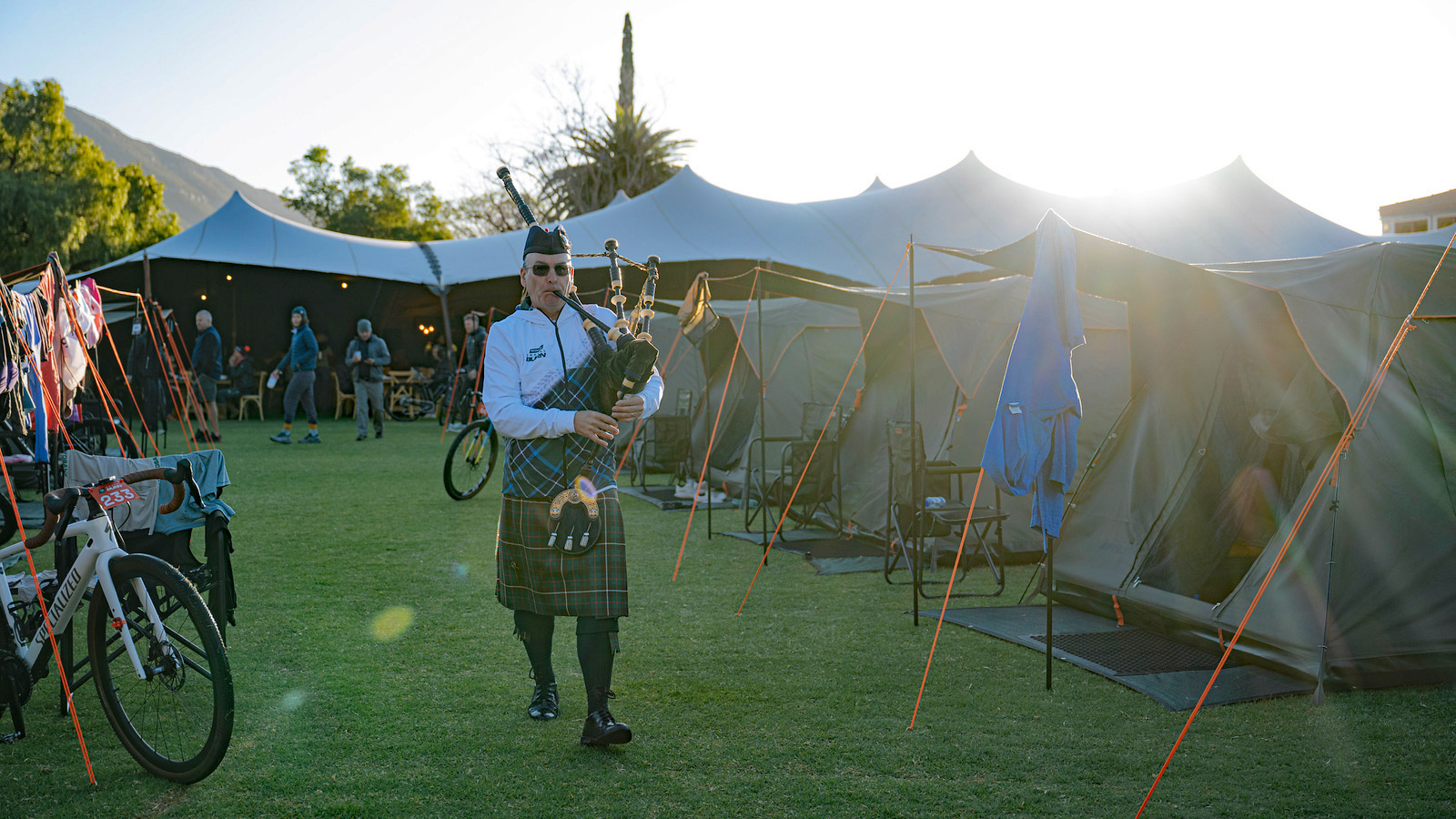
Image courtesy of Paul Ganse/Gravel Burn
Each day at Gravel Burn started at 6:00 a.m. with a piper walking through the camp to wake us, though breakfast was already being served from 5:00 a.m. in the dining tent near our sleeping tents. The breakfast was plentiful, offering both hot and cold options such as eggs, sausages, porridge, cereals and bread. After eating, riders typically visited the nearby toilets - thankfully without long waits - before getting ready for the stage and leaving our packed bags outside our tents to be transported to the next camp.
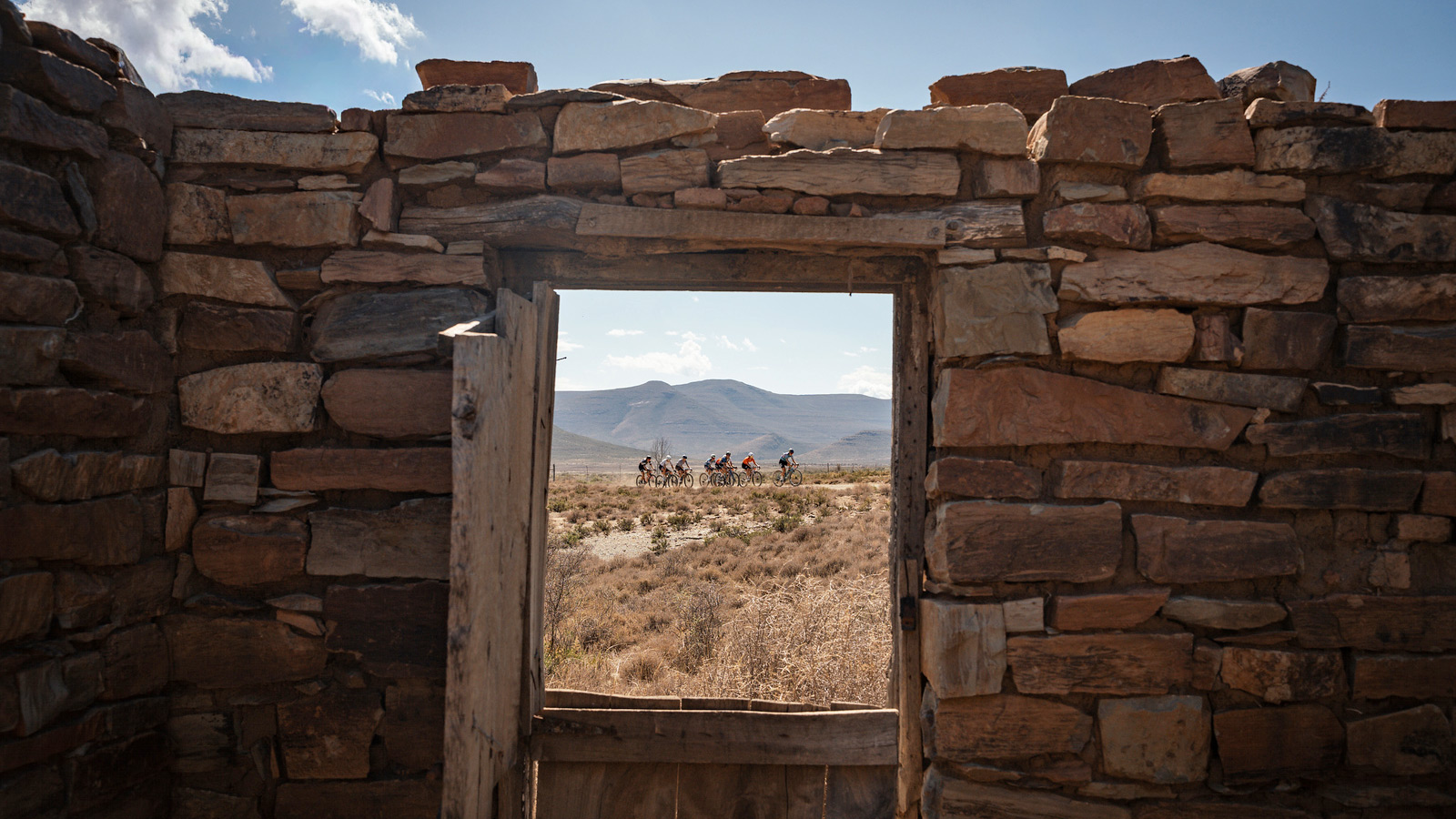
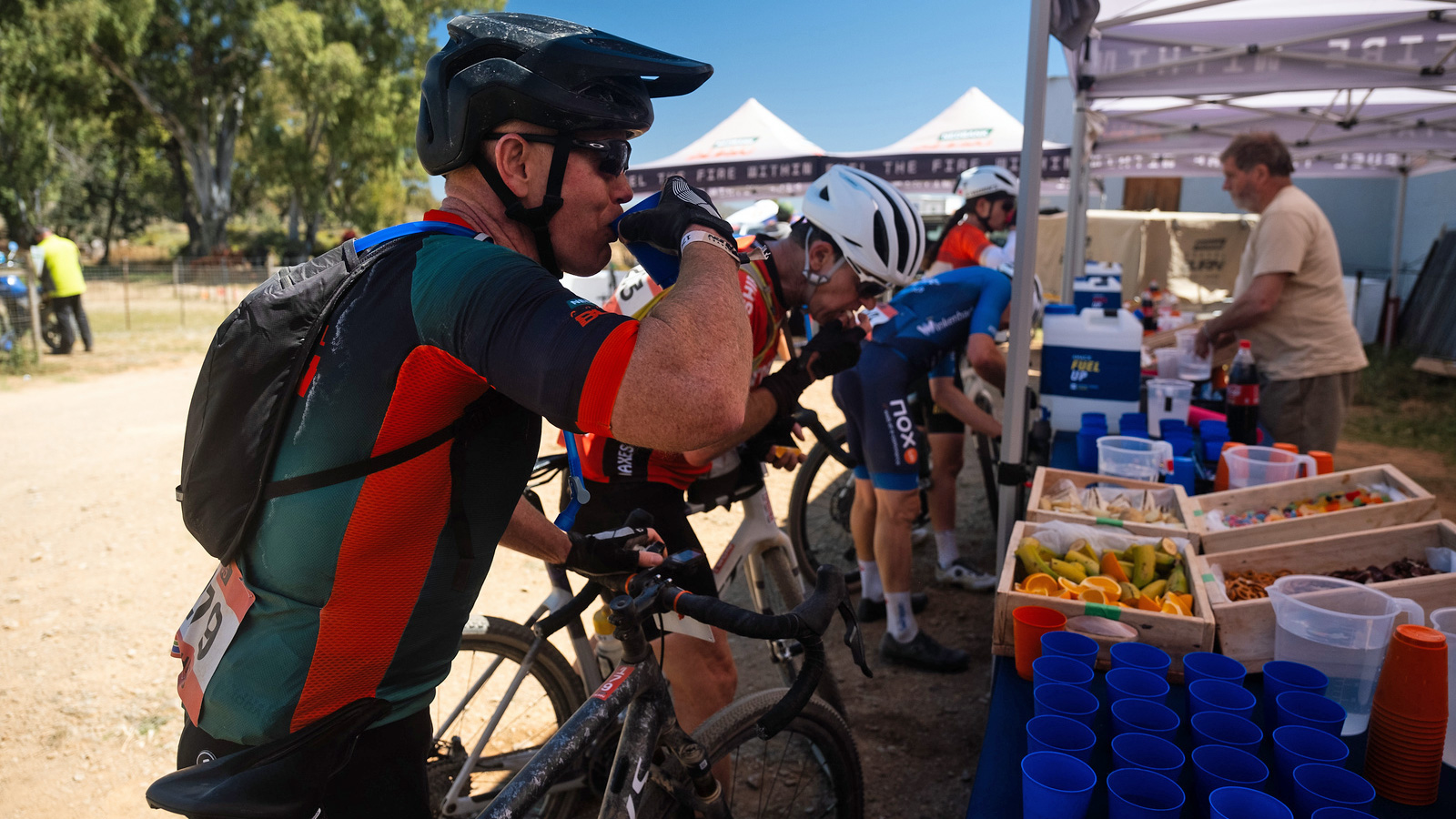
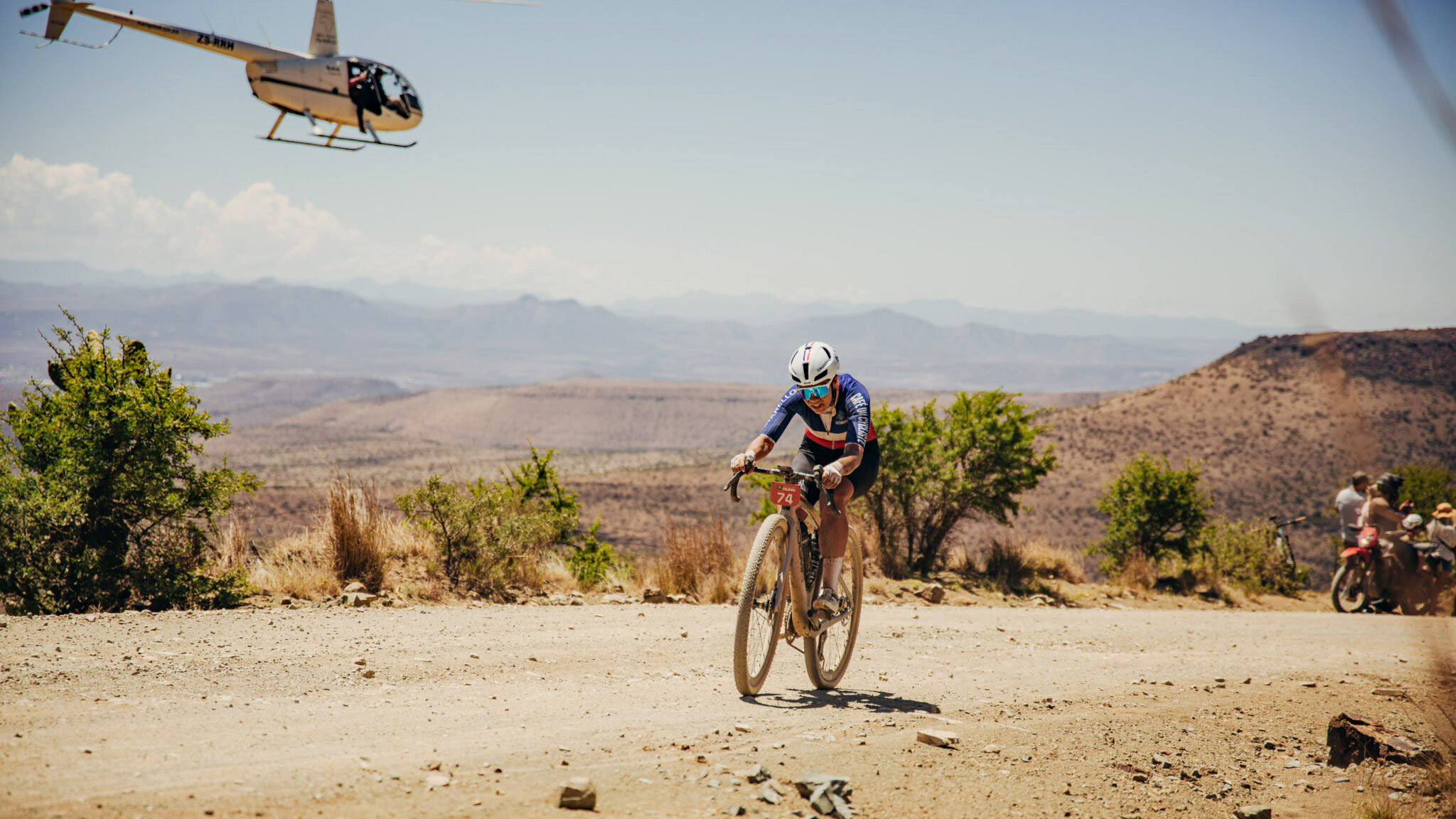
Image courtesy of Fahwaaz Cornelius/Gravel Burn
Image courtesy of Daryan Rowe/Gravel Burn
Image courtesy of James Cameron Heron/Gravel Burn
Stages usually began between 7:00 and 7:30 a.m. for the pro men, followed three minutes later by the women. Fifteen minutes after that came the first age-group batches, A and B; three minutes later C and D; and finally, three minutes after that, E and F. Along the course, there were typically two to three feed zones (‘padstals’ in Afrikaans), well stocked with snacks and sports nutrition - gels, bars, isotonic drinks, and many other options. Each feed station also had a mechanic capable of helping with most common bike issues, medical support and toilets. They felt like true oases in the middle of nowhere
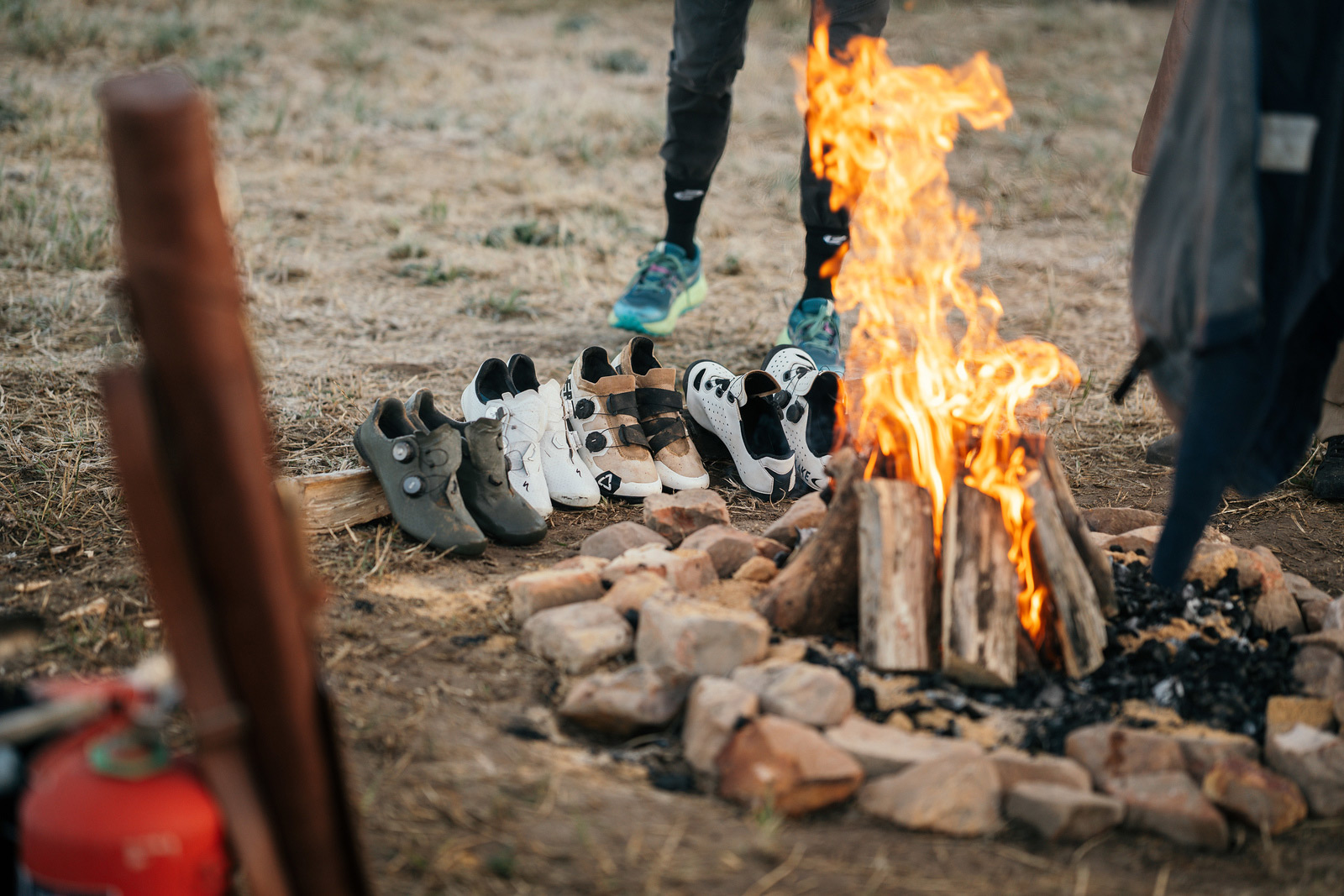
Image courtesy of Fahwaaz Cornelius/Gravel Burn
After finishing each stage and crossing the line, we could immediately hand over our bikes to be washed and left spotless in the bike park. If anything needed repairing, we simply informed the assistance team — who would take care of it even if we had not purchased the mechanical assistance package. At the sports nutrition stand, recovery shakes, bars and even (the currently popular among the pro ranks) cherry juice were ready for us.
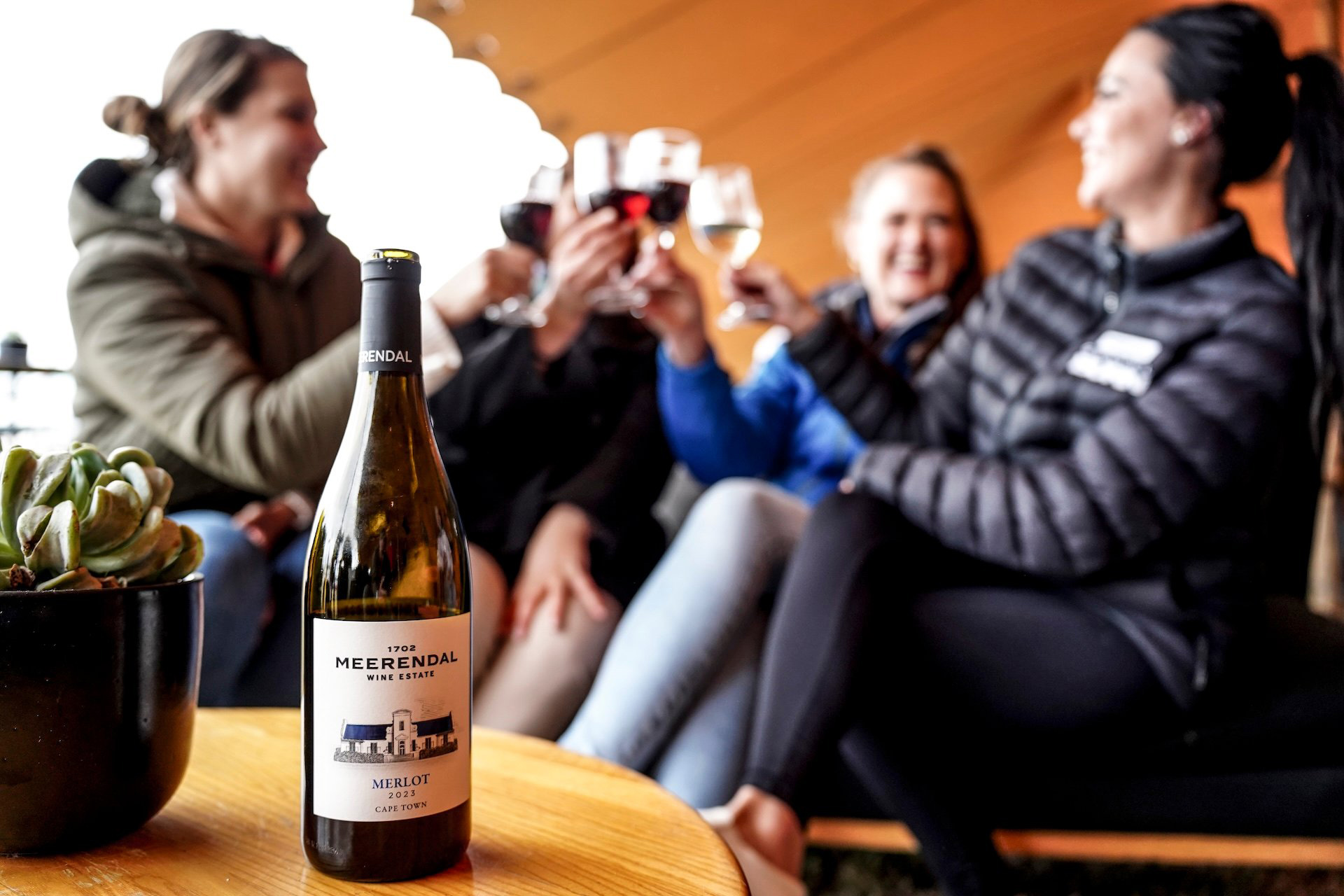
Image courtesy of Bruce Viaene/Gravel Burn
By the time we returned to our tents, our bags had already been delivered, allowing us to grab clean clothes and head for a hot shower - either in the permanent facilities or mobile units, depending on the camp. Those without the optional laundry package washed their own kit. Lunch was served in the main tent until 4 p.m., offering multiple options and daily specialties. Throughout the day, we had unlimited access to drinks - water, soft drinks, beer, wine - and snacks until dinner. The main tent also included a chill-out area, the afternoon podium ceremonies and engaging round-table sessions with the pros. It was surreal to relax next to riders like Tom Pidcock or Alistair Brownlee, who were just hanging out like everyone else.
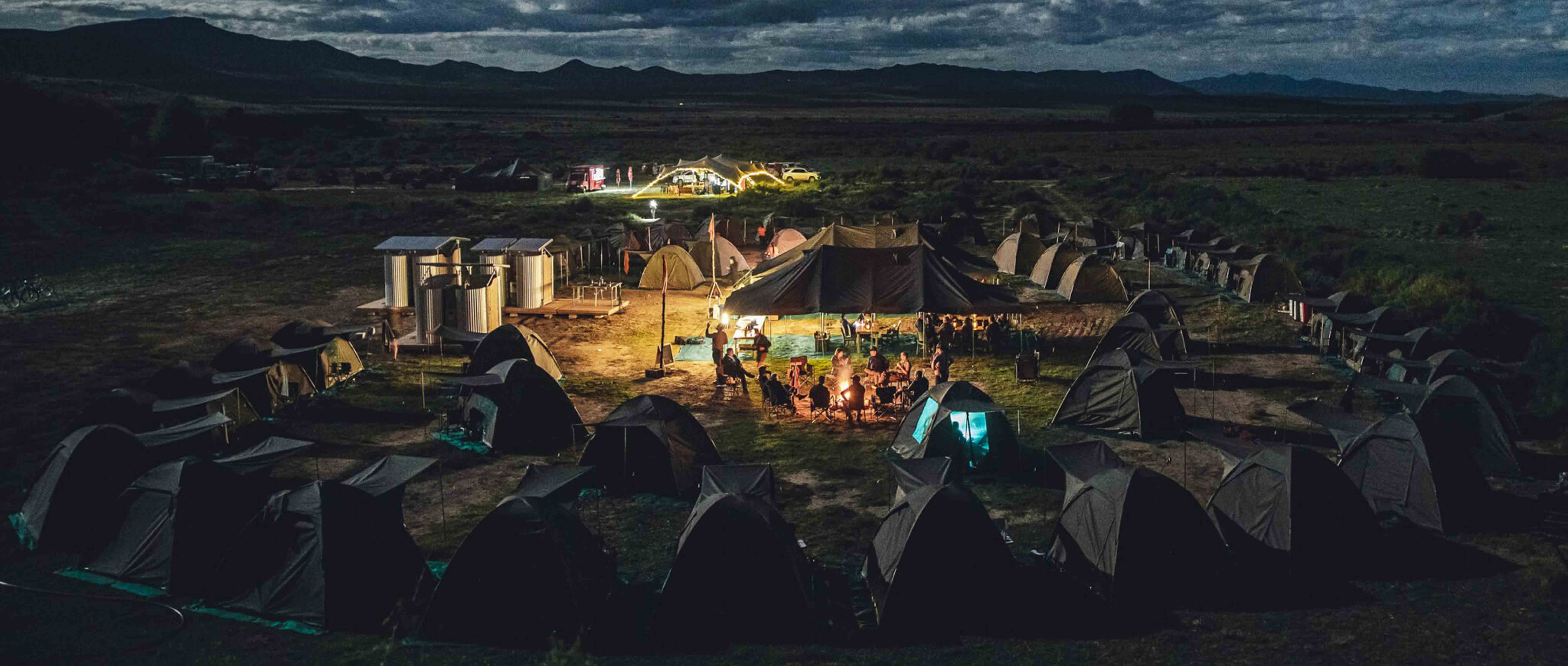
Image courtesy of Rained Upon Media/Gravel Burn
Dinner ran from 6:00 p.m. to 8:00 p.m., featuring a wide range of high-quality dishes. It was remarkable how such excellent meals and service were provided in a remote desert camp with nothing nearby. After dinner, we retreated to our tents to rest for the following day. These weren’t ordinary tents — they were spacious enough to stand in and equipped with a proper bed, a side table, a chair and even a small lamp that doubled as a power bank for charging our devices.
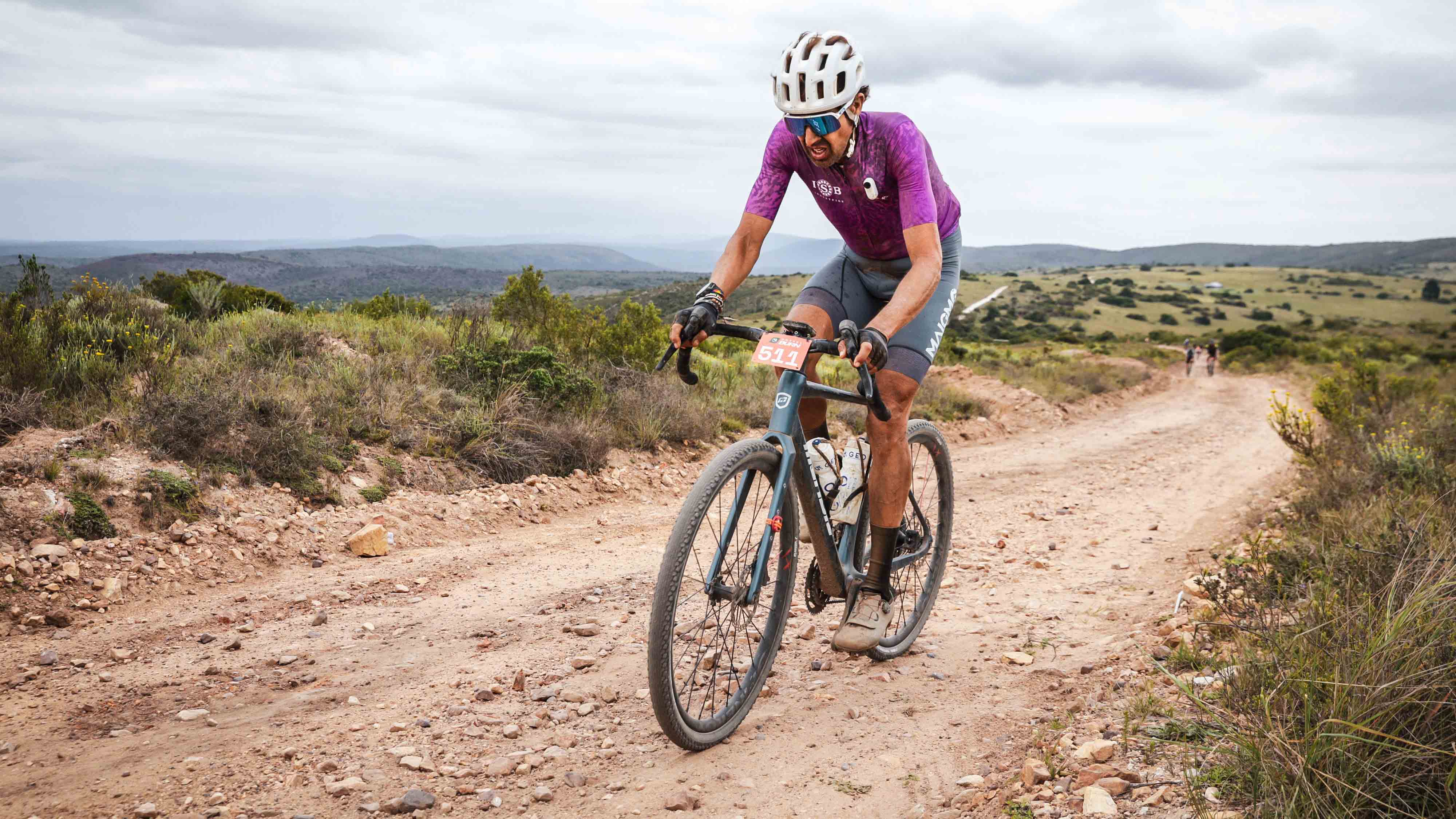
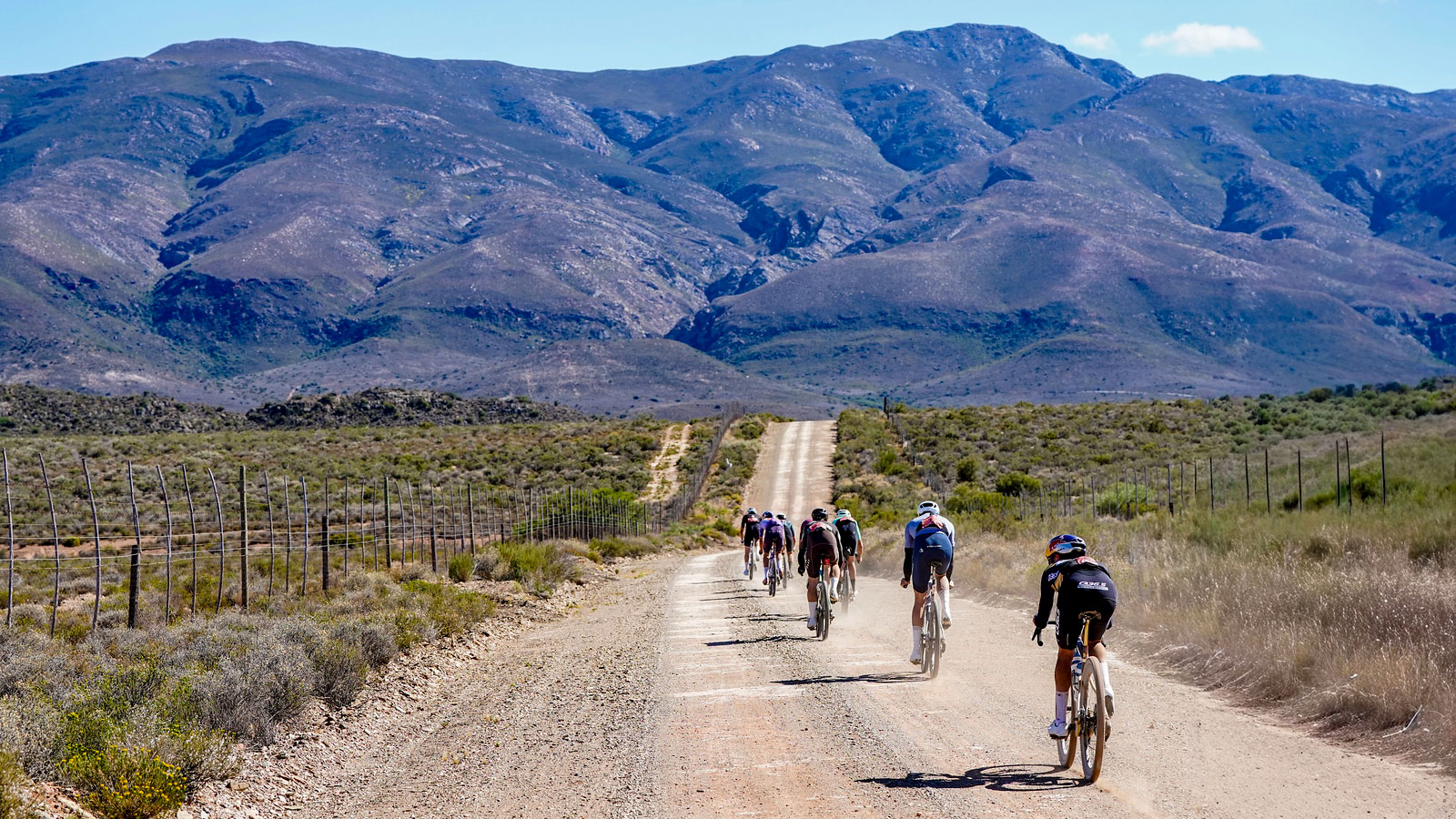
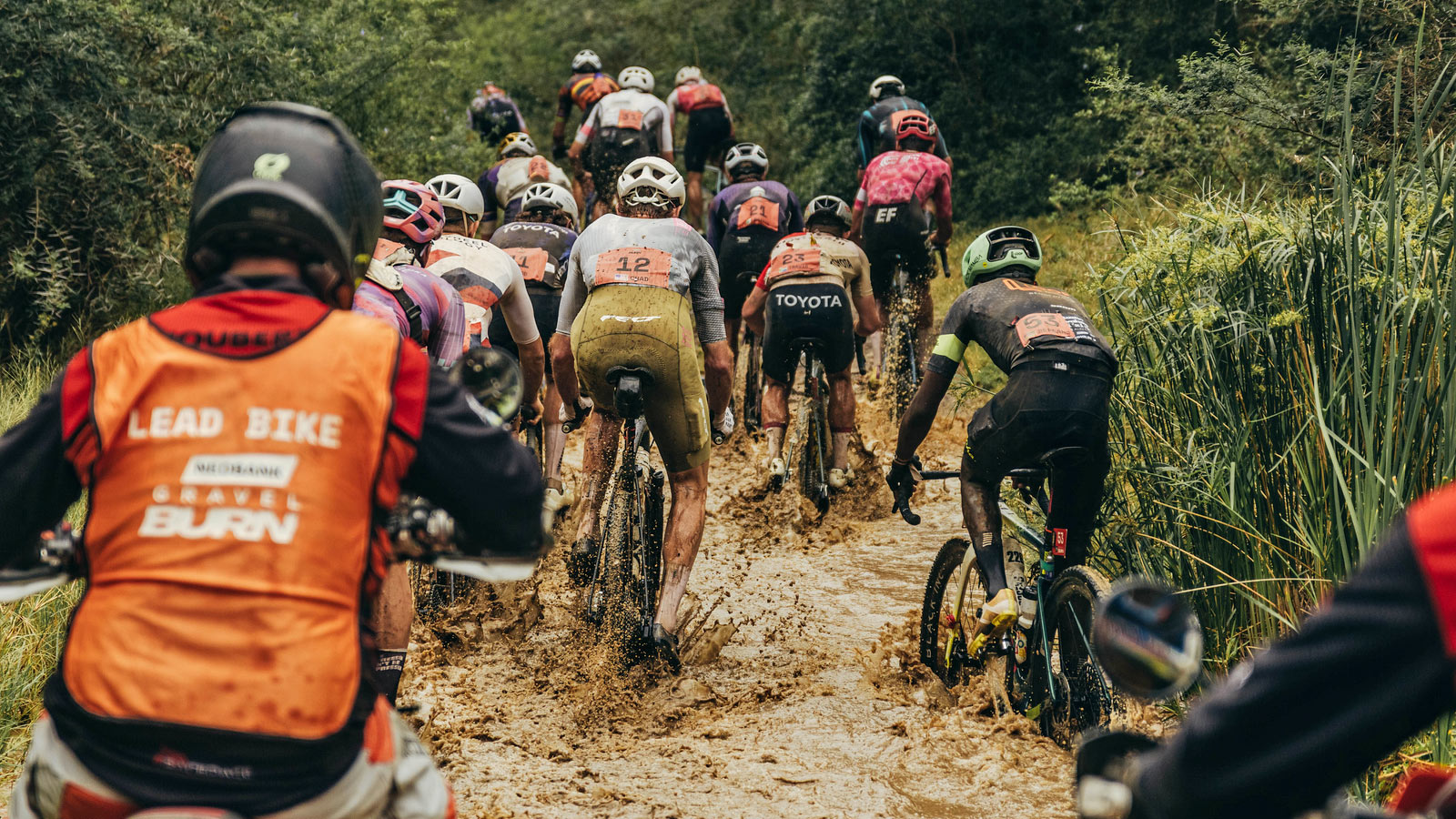
Image courtesy of Gravel Burn
Image courtesy of Bruce Viaene/Gravel Burn
Image courtesy of James Cameron Heron/Gravel Burn
As for the race terrain, it was wonderfully diverse: smooth champagne gravel, rougher descents, the infamous ‘corrugation’ that made riding - and our bodies - shake, occasional singletrack and some tarmac. But most of the route consisted of fast, high-quality gravel roads and tracks where the peloton could maintain strong speeds.
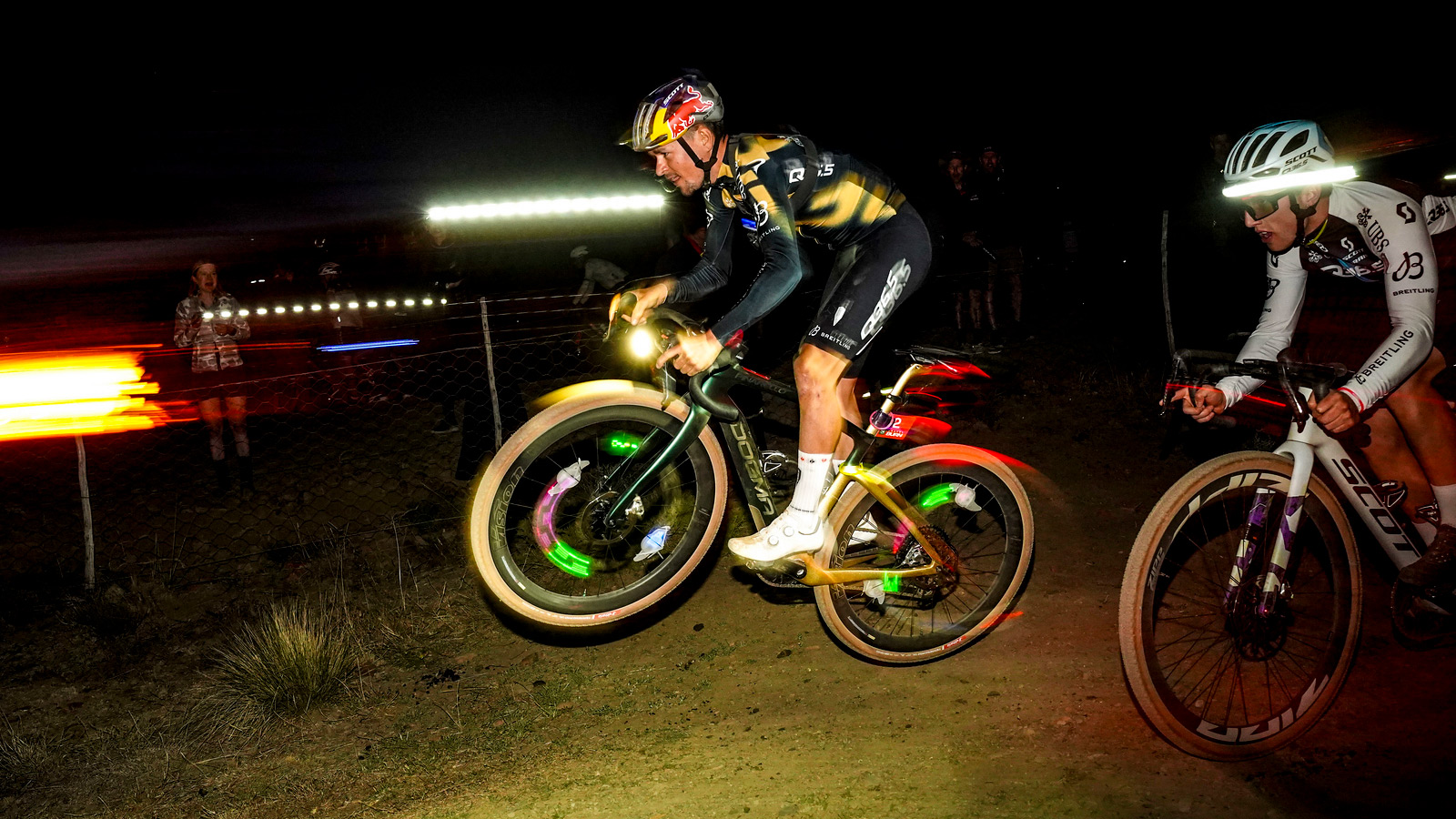
Image courtesy of Bruce Viaene/Gravel Burn
The evening after Stage 4 was dedicated to the Night Burn Criterium, where selected amateurs who had qualified earlier were given the chance to race against Tom Pidcock. The format followed a ‘fox hunt’ concept: the amateurs started with a half-lap advantage and the winner would be the last rider caught by Tom. It was a spectacular night with an incredible atmosphere - bonfires lined the entire course, lighting the riders’ path and creating a scene none of us will ever forget.
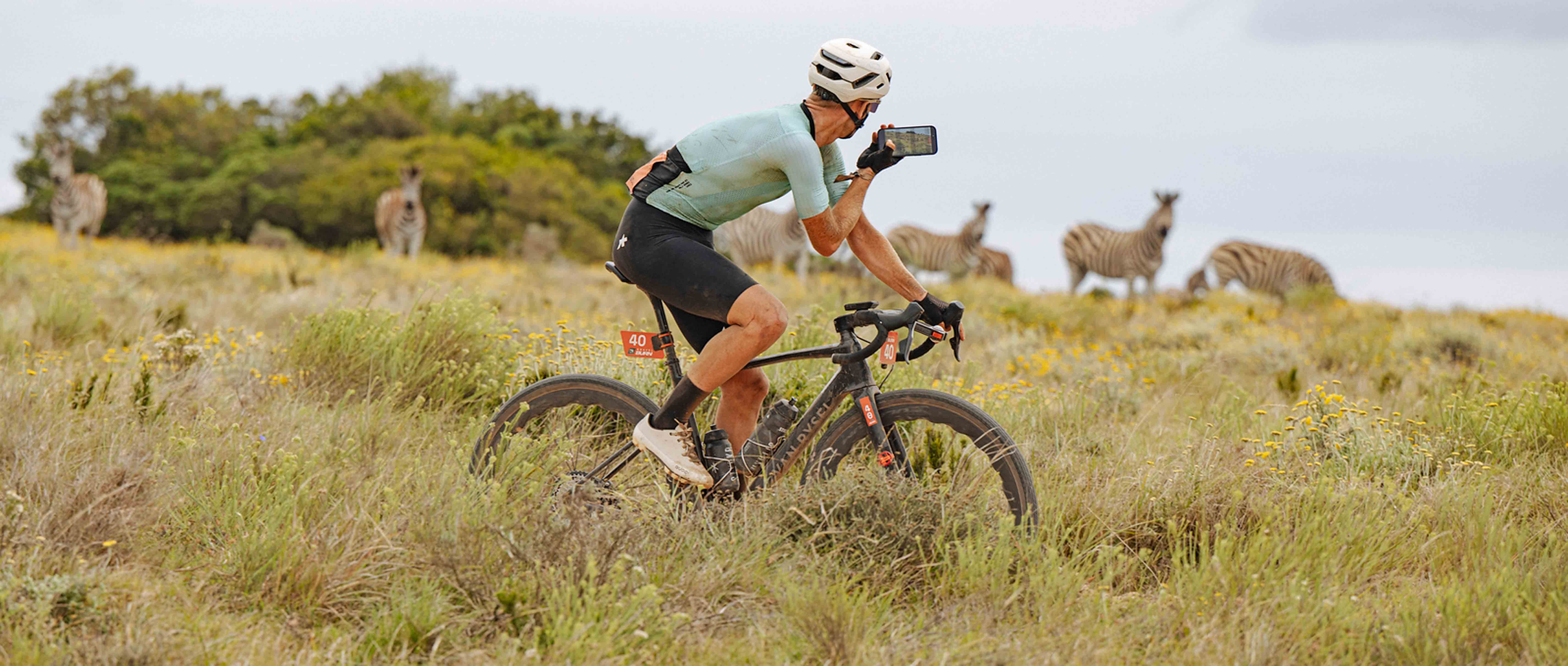
Image courtesy of Paul Ganse/Gravel Burn
Location played a major role throughout the event. The final stage, for instance, ended inside a game reserve, where riders shared the route with wildlife such as zebras and giraffes. Crossing the finish line after seven stages of some of the toughest terrain and most demanding conditions in the world felt deeply earned. Gravel Burn clearly aims to become the ‘Tour de France of gravel’ and its ambition shows.
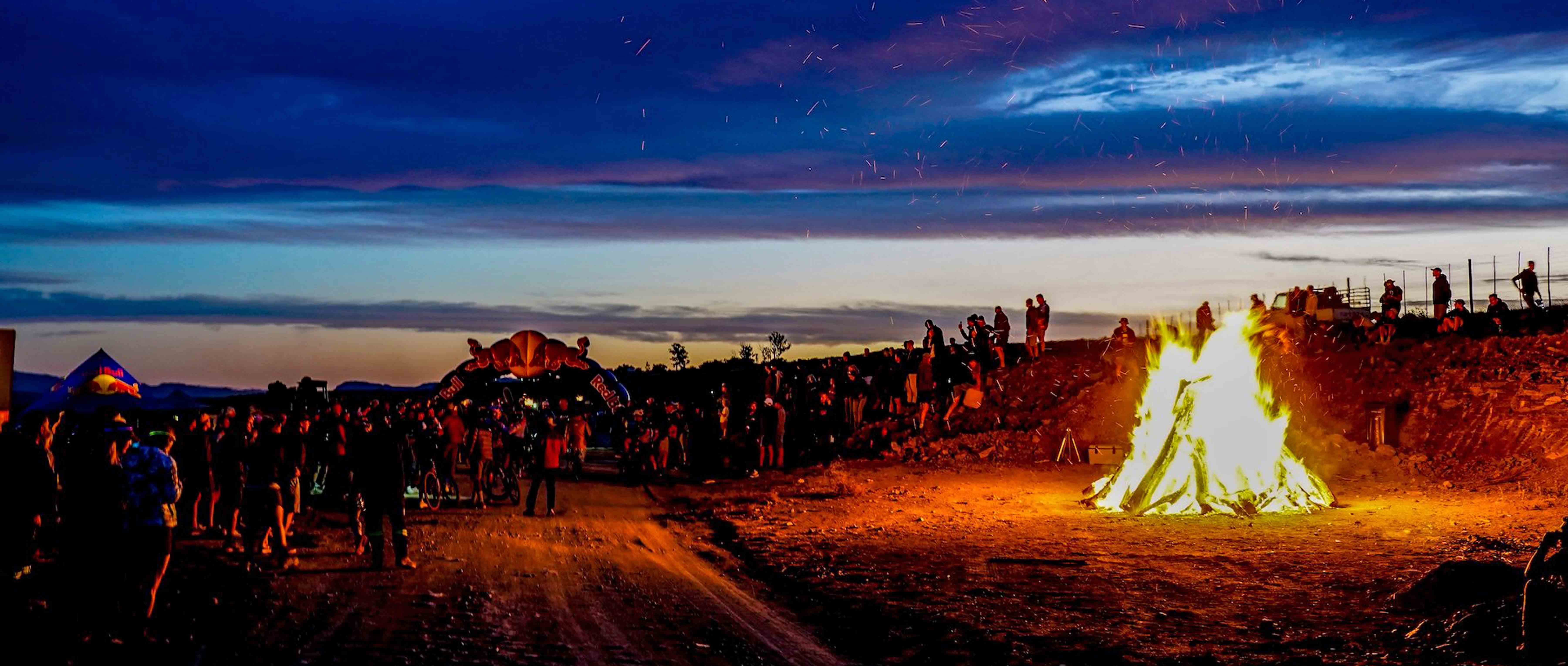
Image courtesy of Bruce Viaene/Gravel Burn
The evening after the last stage featured a prize ceremony alongside a special dinner, followed by an unforgettable party. A fire show opened the night, revealing giant burning letters that led us to a massive bonfire where everyone danced. Some riders celebrated until sunrise, while others headed straight to their airport transfers. It was the perfect farewell - to old friends, new friends and to this historic first edition of Gravel Burn, a race created to endure and destined to become a benchmark for gravel stage racing worldwide - and perhaps even for endurance events in general.
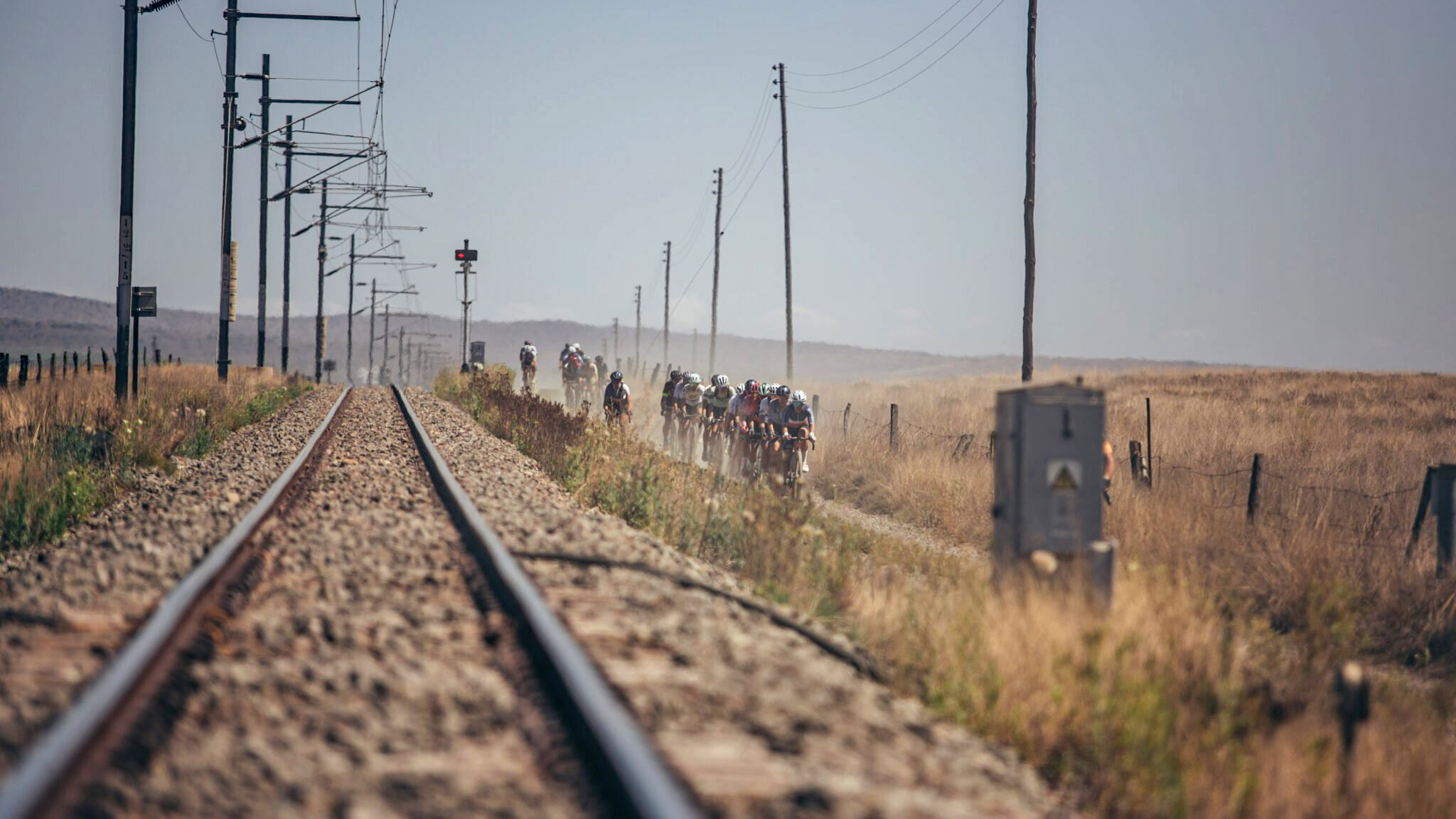
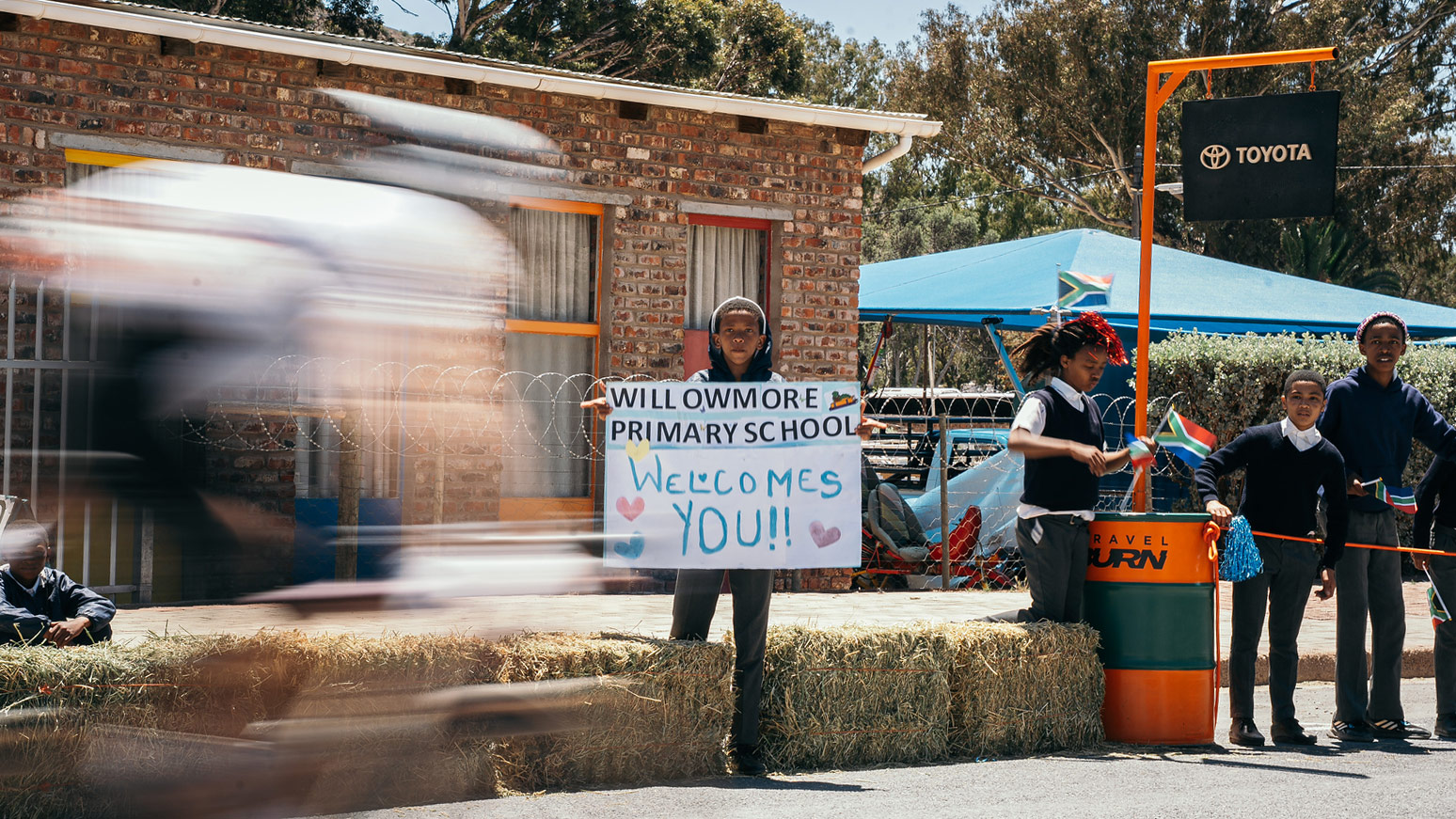
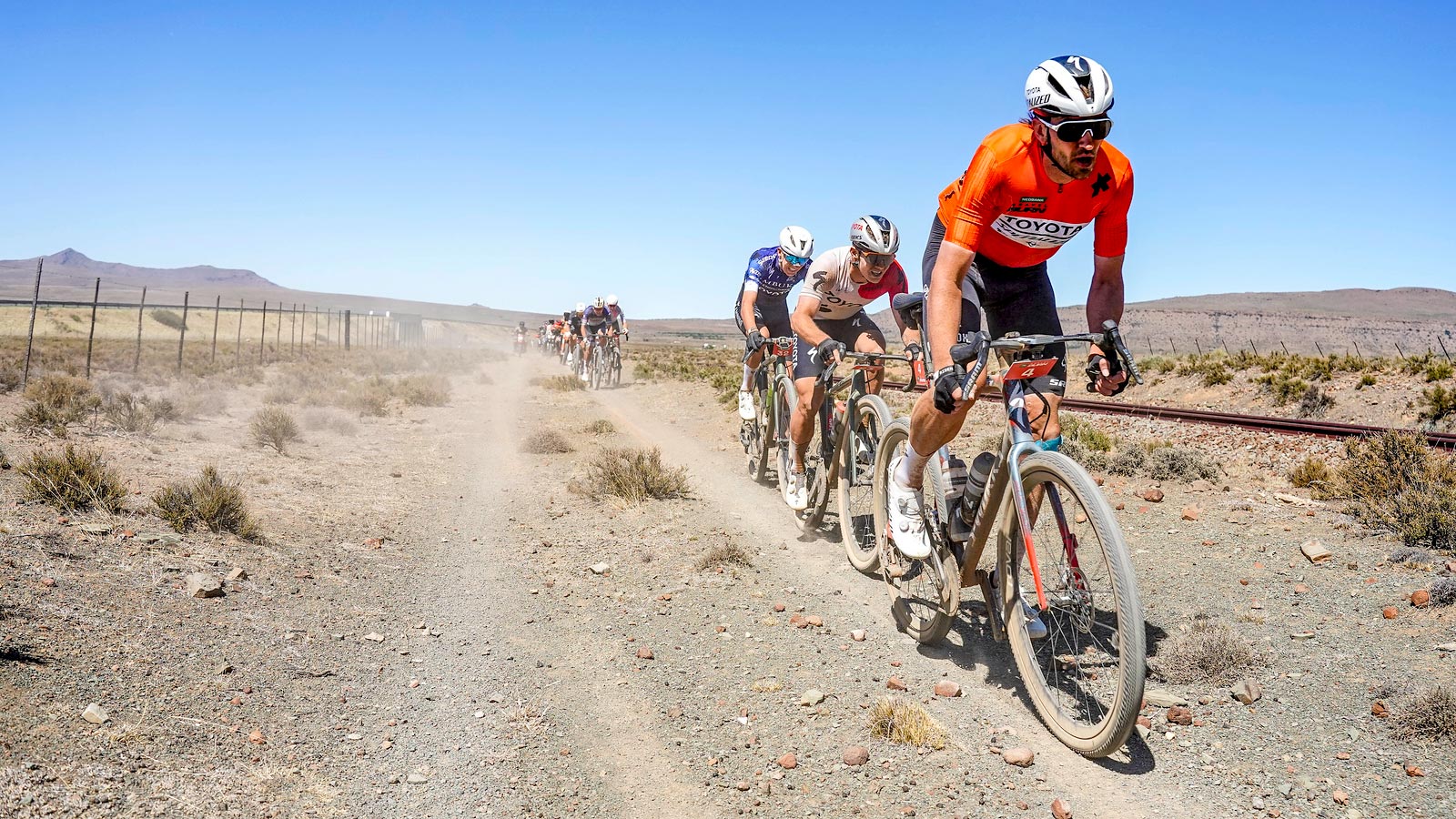
Image courtesy of James Cameron Heron/Gravel Burn
Image courtesy of Fahwaaz Cornelius/Gravel Burn
Image courtesy of Bruce Viaene/Gravel Burn
I was truly impressed by how flawlessly everything worked for a first edition. The organisation was spotless, even conducting a small trial run beforehand, giving the whole event the feel of a race with many years of experience behind it. In a way, that’s true - they brought decades of expertise from other major events and poured it into this one. Delivering a premium experience to over 500 participants in the remote Karoo desert of South Africa is no small feat. It was a once-in-a-lifetime adventure and I’m certain many more people will want to live it in the years to come.
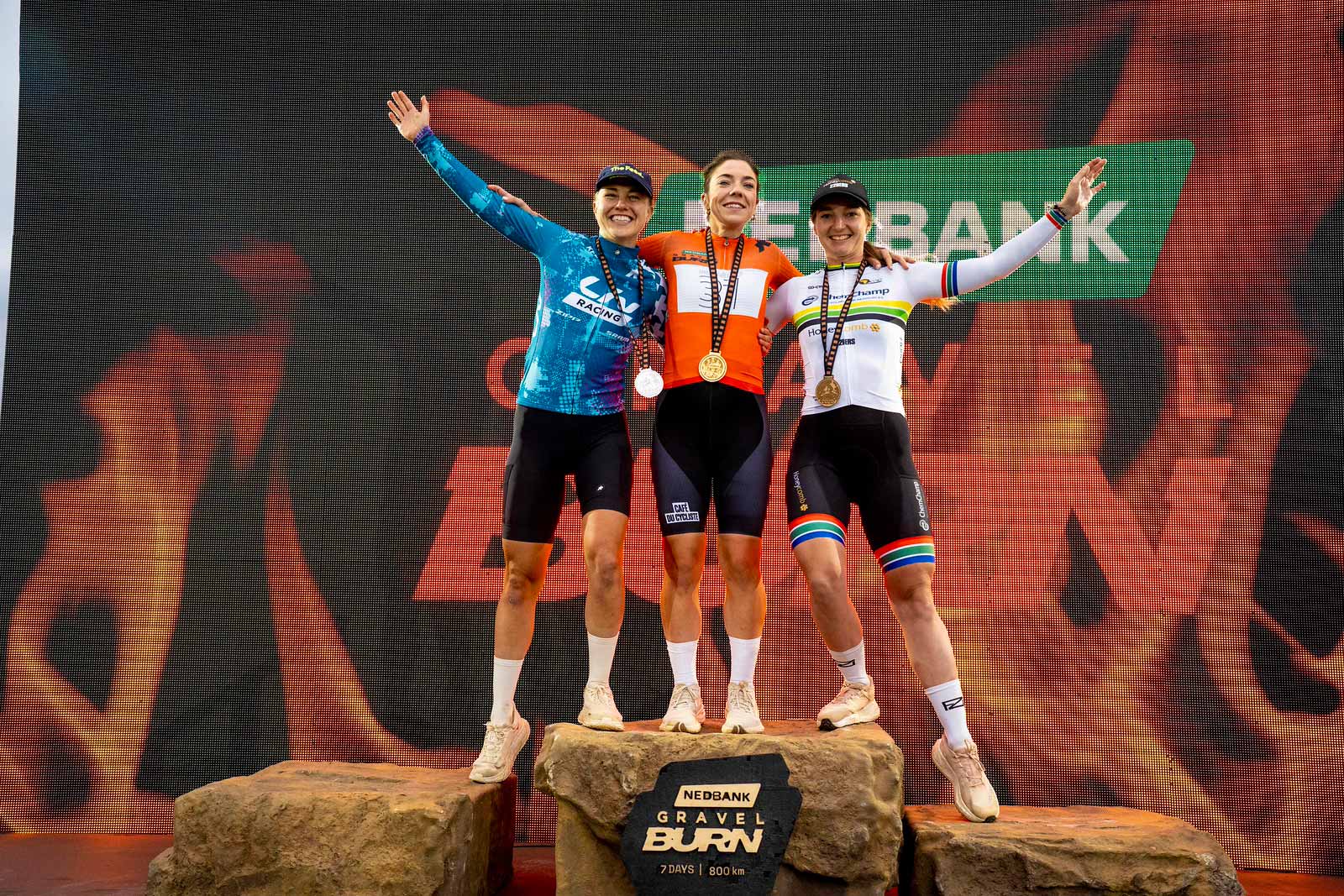
Overall Classification:
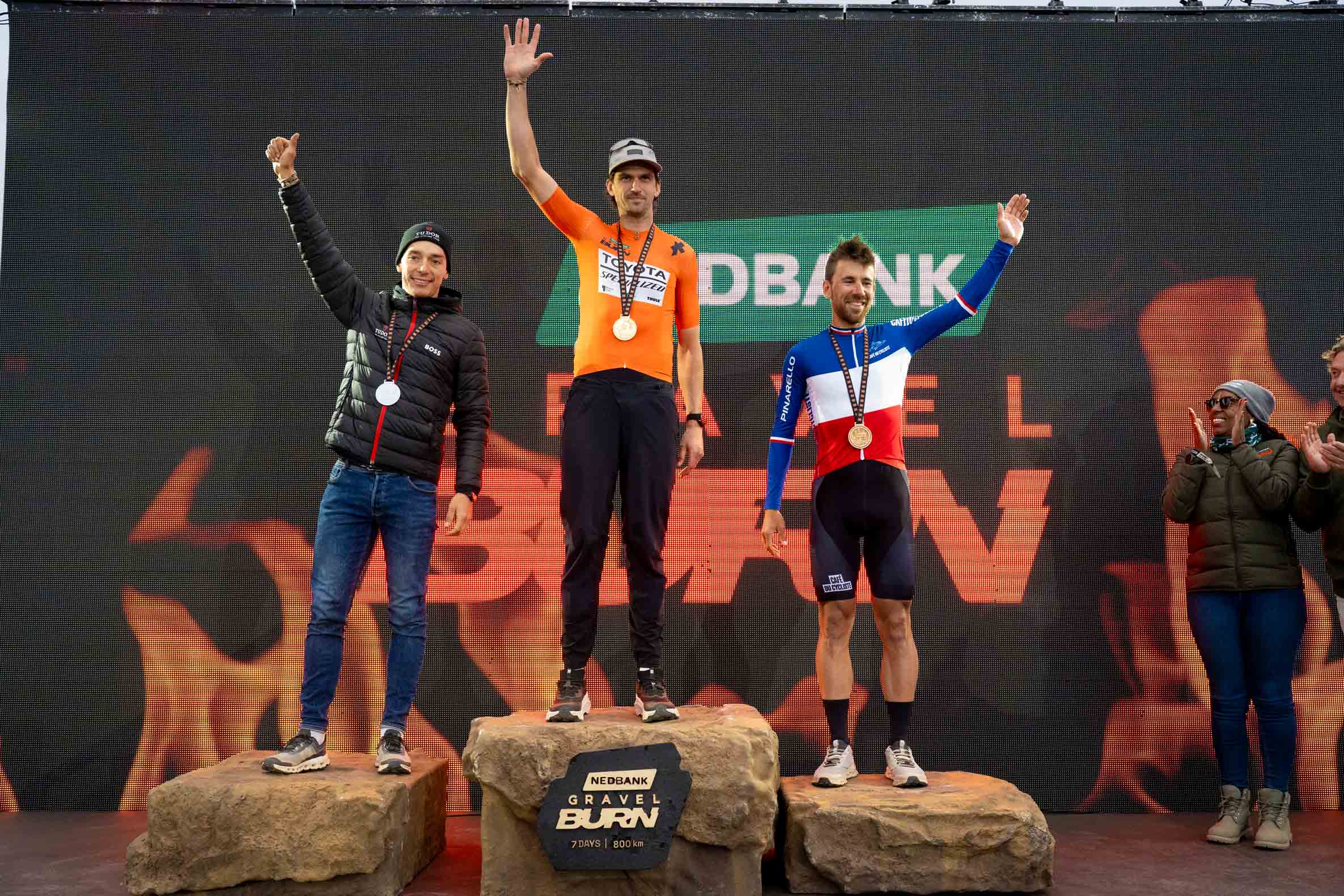
Images courtesy of Gravel Burn
Women:
Axelle DUBAU-PREVOTNuméro 31 par Café du Cycliste / Pinarello 23:40:55
Melisa ROLLINS Liv Racing Collective 23:43:02 +2:07
Hayley PREEN ChemChamp Honeycomb 226ers 23:43:10 +2:15
Men:
Matthew BEERS Specialized Off-Road - Toyota 19:01:03 -
Simon PELLAUD Tudor Pro Cycling 19:06:29 +5:26
Hugo DRECHOU Numéro31.cc / Pinarello 19:09:59 +8:56