It’s fair to say that the 2026 edition of La Traka sparked some strong reactions from both participants and spectators. Critics were vocal about inconsistent rule enforcement, organisational shortcomings and concerns over rider safety. At the same time, many praised the event for delivering exceptional racing across stunning landscapes. Jorge Padrones took part in the 360 event and, while he acknowledged some of the criticisms, he came away with an overwhelmingly positive impression overall. Read on to discover how Jorge’s race unfolded.
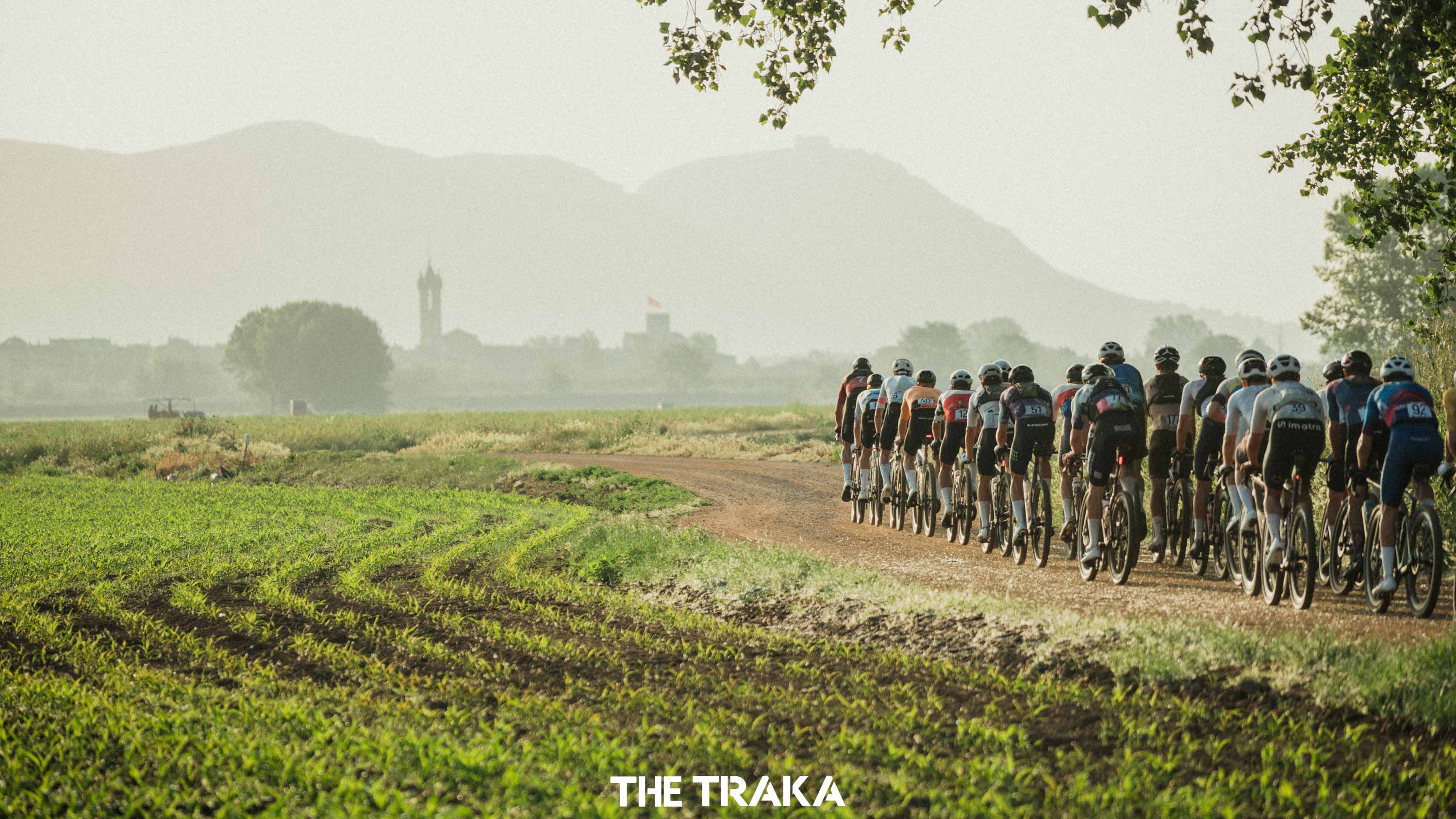
La Traka is undoubtedly the benchmark gravel event in Europe right now and is on par with Unbound on a global level. This is an extraordinary achievement for a small organisation that started back in 2019 with a modest event and barely a hundred participants for a new cycling discipline called gravel riding. This year, La Traka grew to nearly 5,000 participants from more than 70 countries.
La Traka is much more than a race; it is an event, or rather a set of events that fill one of the world capitals of gravel, Girona, for a week. Girona is a city where you can always sense cycling in the air, but during La Traka week, cycling becomes even more prevalent. Gravel riding takes over the whole city, every single corner of it. You can even find a newspaper made specifically for that week, the Gravel Times.
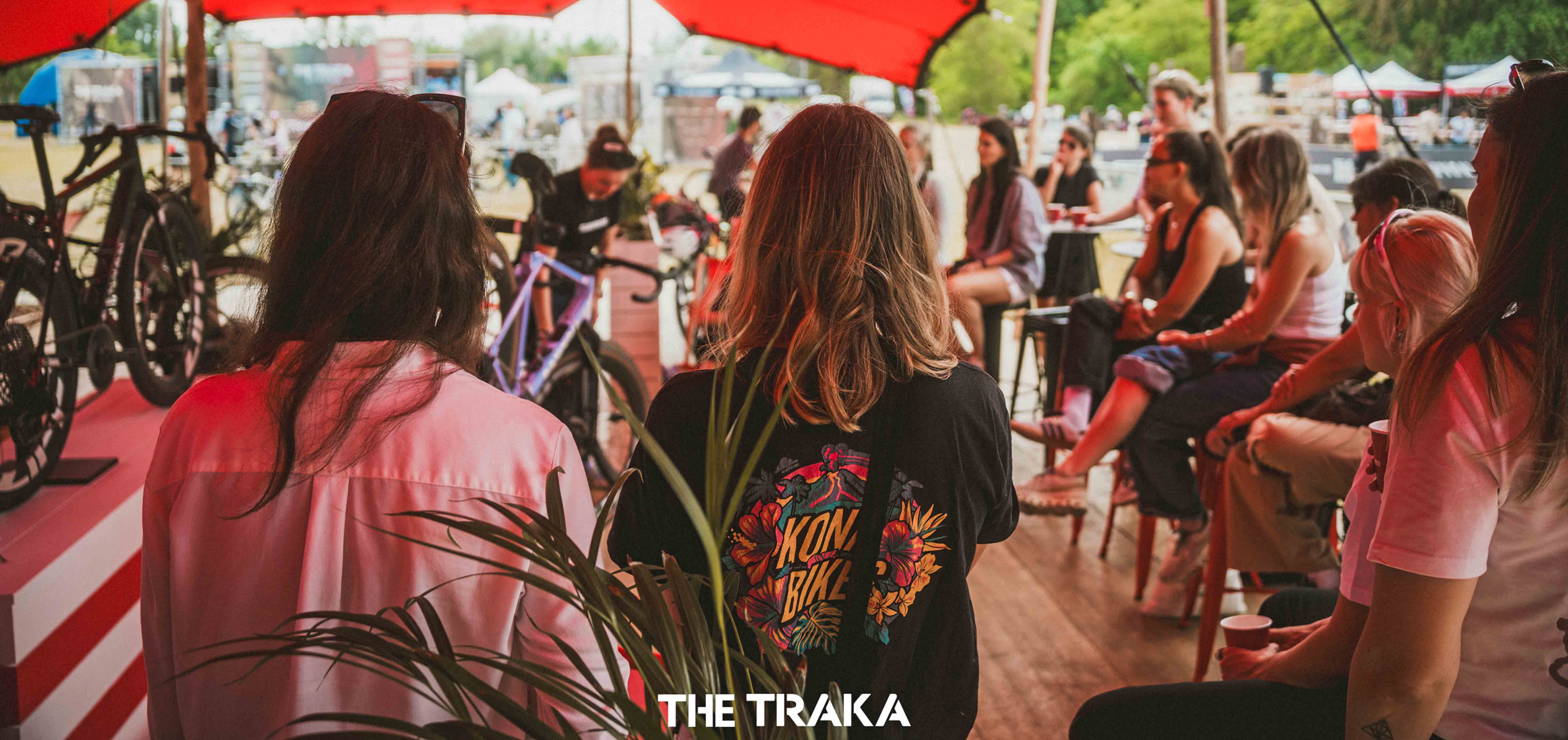
Around the race and during the week before it, a series of events are usually organised by brands, making the week packed with activities, from social rides and activations to sessions with professionals, product launches and a range of products and kit available to test, among other things. If you love gravel riding, Girona is the place to be during La Traka week.
But let’s also talk about the events themselves, because there are different versions so that each rider can find the one that suits them best. We have the 540, 360, 200 and 100, making it easy to find one that fits our tastes.
The 540 is a self-supported adventure race, a Badlands-style event that crosses the Catalan Pyrenees, with everything that entails. As the 540 sees participants climbing to altitudes close to 3,000 meters, which at this time of year can bring weather challenges, it is definitely an adventure event. The 360 sits somewhere between an ultra and a day race, with many riders taking between 15 and 20 hours to complete it. This year, the pros turned the 360 into the “queen” distance because of the number of points that are on offer in the Gravel Earth Series.
The 200, which in past years was the most competitive, remains very competitive and stands as a long gravel race, with riders putting in efforts of between 6 and 10 hours. And finally, the 100, the little sister; it is interesting how that 100 sounds small after the distances we have discussed, but we should remember that 100 kilometres on gravel is still a long distance, and it is roughly what most ‘normal’ one-day events are based on. I rode the 360, which this year was actually 325 kilometres. The 200 and 100 follow the same route, while the 540 uses a different course.
I think the course itself is one of the keys to the exponential growth of this event - a route that perfectly combines the elements of rough gravel with some of Girona’s champagne gravel, something that makes it a real pleasure to ride. There were also some small stretches of secondary roads, small tracks and a few sections of technically demanding trails that tested our skills.
The same goes for the terrain, which is very varied. We have mountain passes, short and steep climbs, long fast descents, loose surfaces, good pavement, big flat sections where you can settle into a rhythm and punchy areas. In short, over those 325 kilometres, we pass through every kind of terrain possible, which makes the race, despite being long, very enjoyable thanks to the constant changes in surface and ground.
The sense of challenge is also worth highlighting, especially on the long distances - this is not just another race, it is a unique challenge. In my case, doing 325 kilometres of gravel in one go took me 14 hours and it was a blend of sensations and moments.
In 14 hours, you have moments when you feel good and moments when you feel bad, moments of euphoria and moments when you feel crushed, moments of strength and moments when you feel it leaving you, a whole catalogue of sensations that we have to learn to manage.
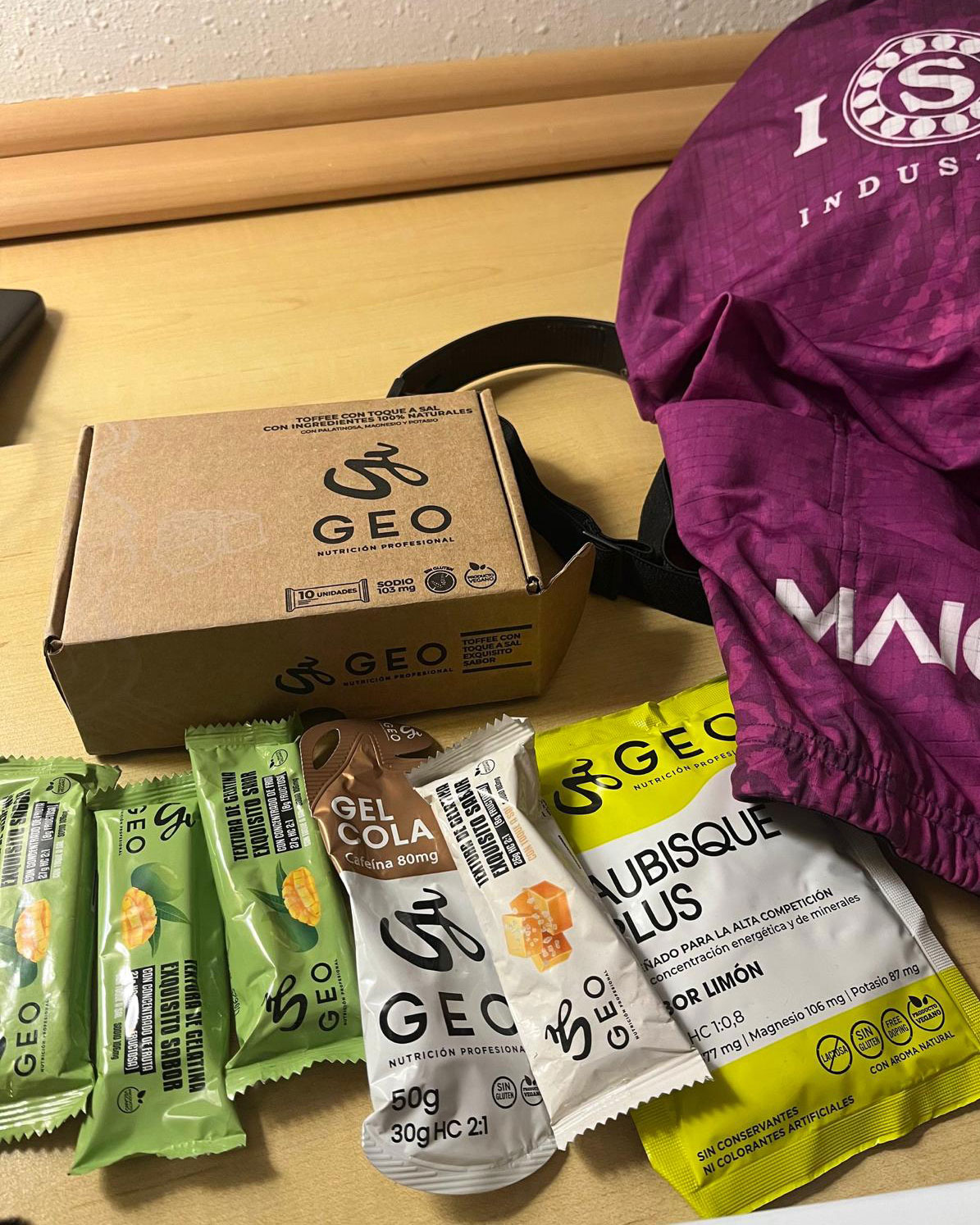
Nutrition deserves its own section in this kind of event, because if you want to finish successfully and race with confidence, you need a plan. It is not enough to eat when you are hungry and drink when you are thirsty; the nutrition strategy is very important for performance in this kind of race. You also have to keep in mind that once our energy leaves us because of a lack of nutrients, it will be very hard to recover, so the energy we have at the end of the event will depend on how we manage our fueling from the start.
This year, we have probably all heard or read comments about how technical and dangerous the event was. I wanted to give my opinion as a cyclist forged on the road, who later converted to mountain biking and gravel riding. In my opinion, La Traka is neither too technical nor too dangerous; there are small sections, like the final climb, where you need a minimum level of good technique to handle it, but only a small minimum. Even for riders who found this section too hard, they always had the option of walking for a few meters. Two years ago, we had to tackle that same trail in muddy conditions and, in my case, at night with a weak light. Then, I had to walk a good part of the trail, but I did not mind because that was part of the adventure.
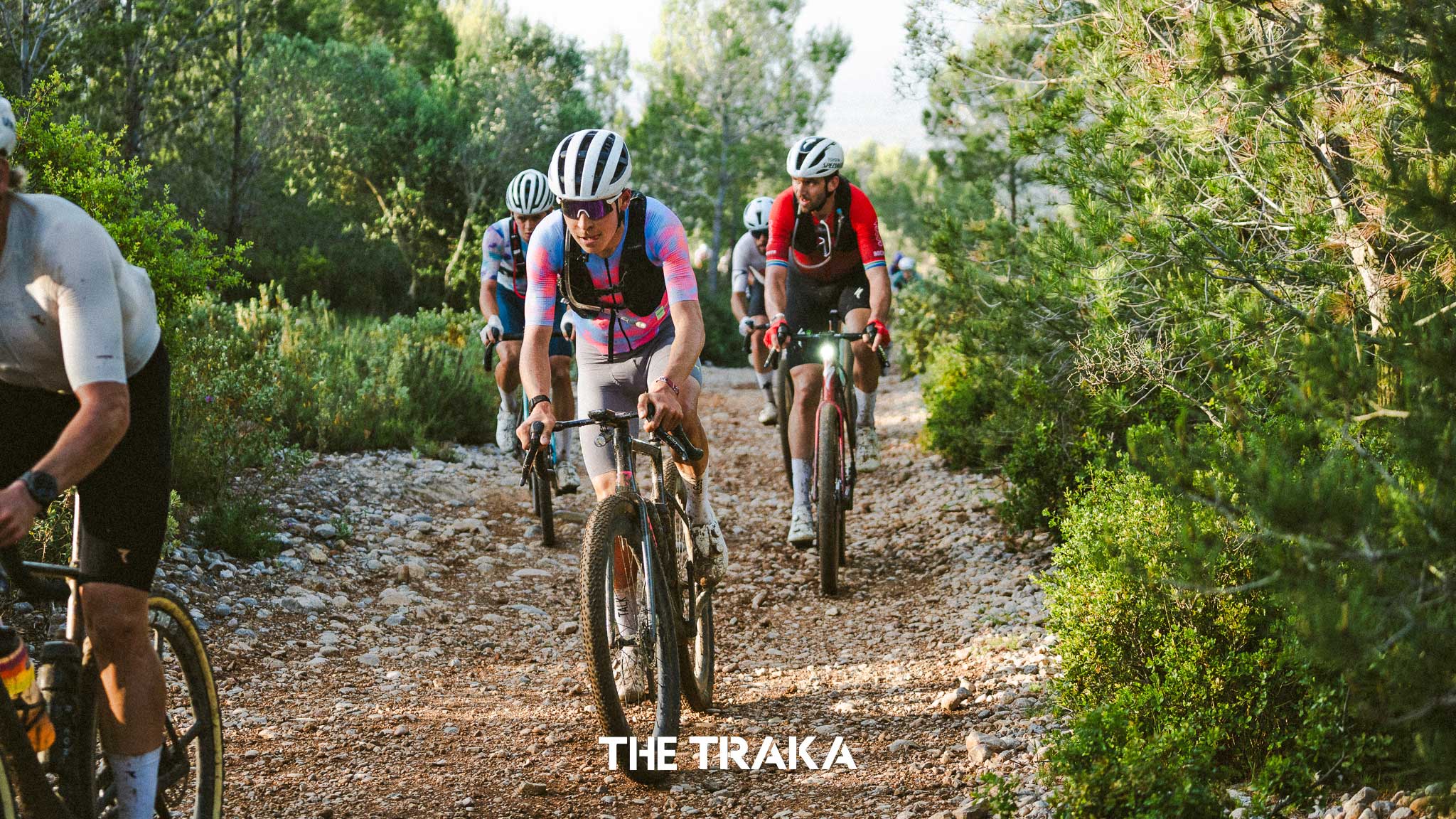
The same applies to the descents: there are fast descents where we go at more than 60 kilometres per hour over loose, rocky terrain and that brings risk, but it is a risk that is measurable and that each rider can decide for themselves whether it is acceptable or not. We can ride down at 40 kph instead of 60 and the risk is lower; that is something each person decides. As for the route being open to the public, I find it impossible to imagine a closed 325 km course during the hours that separate the first rider from the last; it is simply not feasible. On our side as racers, we need to respect the basic rules of traffic and courtesy, and let’s be honest, most of us are not racing for anything critical, so there is nothing wrong with yielding at an intersection or greeting someone out for a walk on the same path we are using.
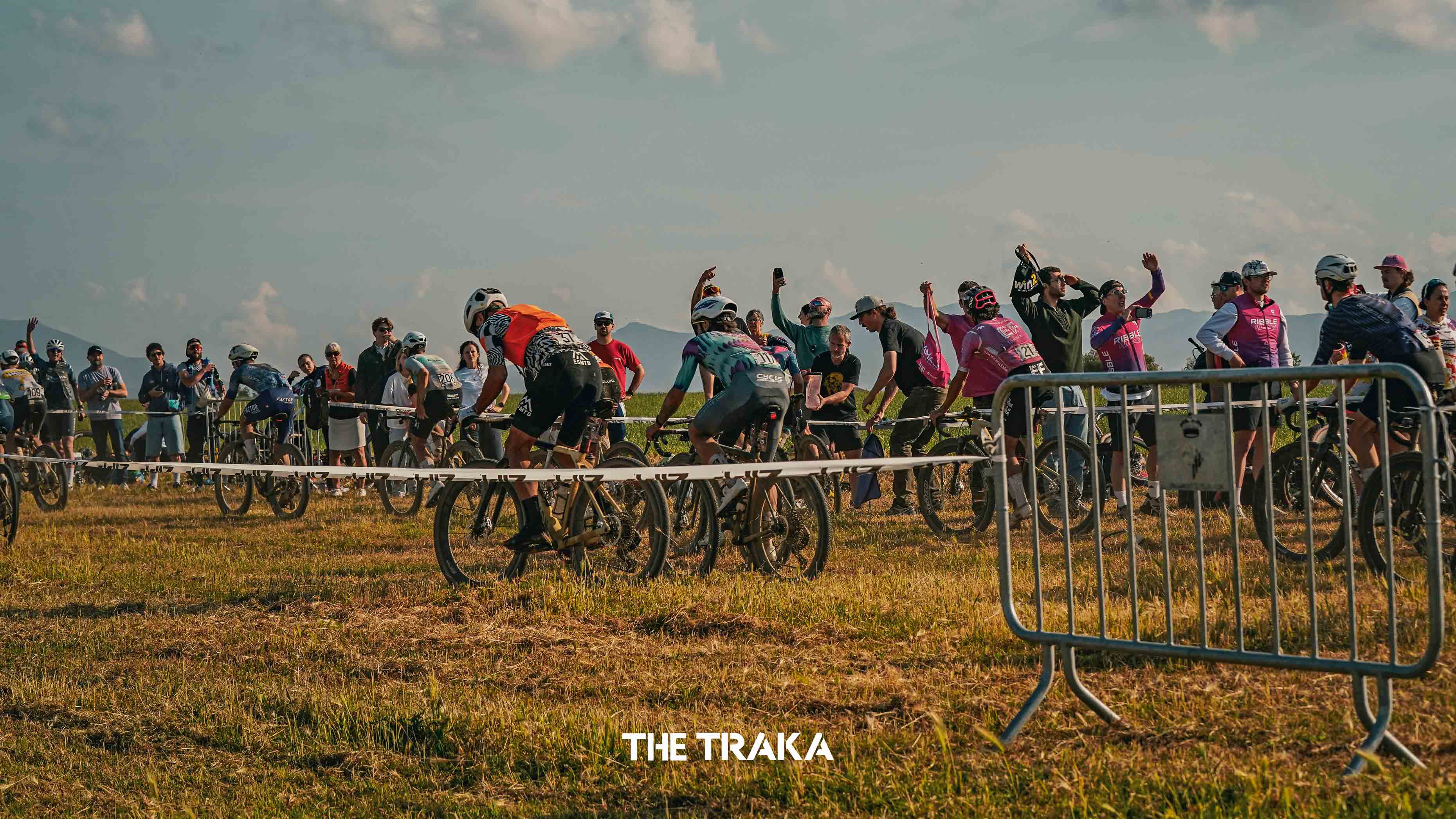
I am noticing a trend within gravel of people who would like to race on the road without actually being on the road, people who like gravel riding, but not the adventure or the risk it can involve. While this is a totally valid point of view, I would still like events like La Traka not to lose that spirit of adventure and the sense of great achievement for those who take it on.
From here, I want to congratulate and recognise Gerard and Cris, as well as their team, for creating one of the best gravel events in the world and, I would say, a unique one built from scratch. La Traka is an event where, from my perspective, nothing is left to chance and everything is designed and measured to give us one of the most beautiful gravel races and one of the best gravel spectacles in the world.
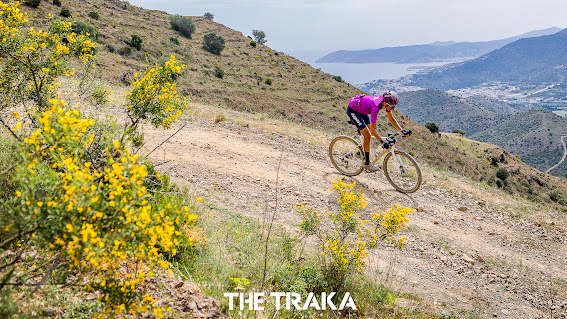
What stays with me every year are those gravel-carpeted roads winding between green hills as the sun begins to set; that tight mountain bend where, when you turn, you see the sea below and all the beauty of the Costa Brava; that goosebump moment just before the start with the atmosphere created by the specially made music, and the emotions that flood me as I approach the finish line, when I can hear Oriol’s voice getting closer and closer; the final corner on the grass and the goal achieved; the tears of emotion; the hug from my wife and that feeling of having accomplished something great.
My participation this year was dedicated to that angel who taught me how to ride a bike and who watches over me from above.
Here’s to many more years of La Traka.