At the end of May 2026, 217,337 gravel riders from around the world took part in Rebound2026, which organisers described as the world's biggest gravel event. Keen to be part of the occasion, Timo Rokitta created Dirty Palatinate, a 200-mile tribute to the original edition of Unbound. Held in Germany's Palatinate region, the event proved popular enough to attract 100 dedicated gravel riders. Read on to discover how they got on.
It is May 30, 2026 and somewhere between heroic overconfidence and a very specific form of recreational masochism, 100 people - including seven women, which is either a statistical coincidence or a commentary on risk tolerance - gather to ride 200 miles through Germany’s Palatinate region. On gravel bikes, no less. Those peculiar machines that look as if road bikes and mountain bikes reached a compromise after one Riesling too many.
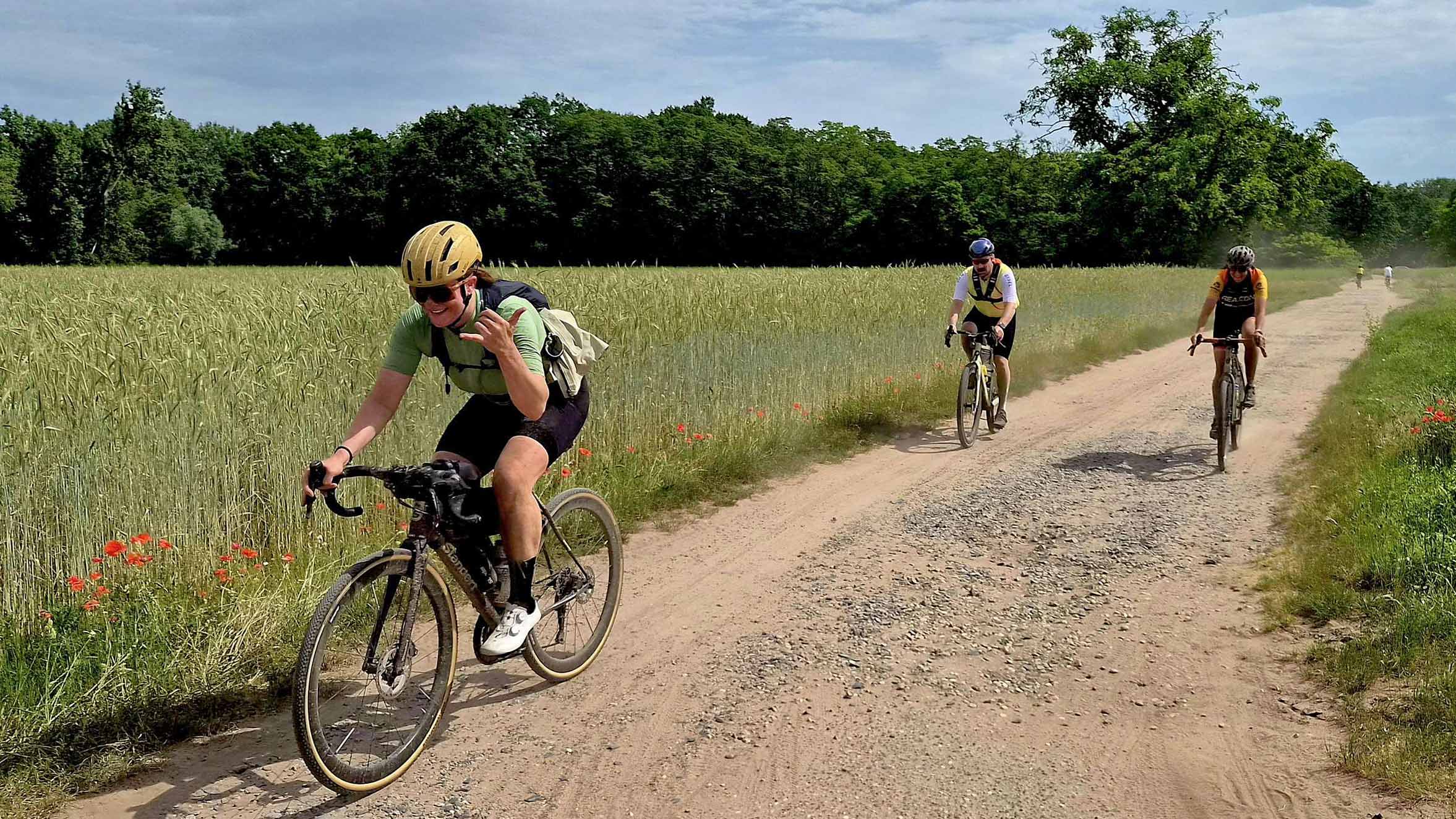
The occasion: Rebound 2026. That worldwide celebration of gravel riding where Shimano encourages humanity to emulate the professionals taking part in Unbound in Emporia, Kansas. A call apparently so persuasive that people in the Palatinate take it literally - including wanting to ride the full 200 miles. The local version is called “Dirty Palatinate,” which sounds as though someone tried to translate Unbound Gravel into German but got stuck in the dialect halfway through.
The ride starts punctually at 8:00 a.m. It begins with thunder and lightning rolling across the Palatinate skies, as if Saint Peter himself had objections to the event. Just minutes before the start, a heavy downpour drenches everyone. Somehow, it feels appropriate. After all, it is called “Dirty Palatinate,” not “Clean Palatinate.”
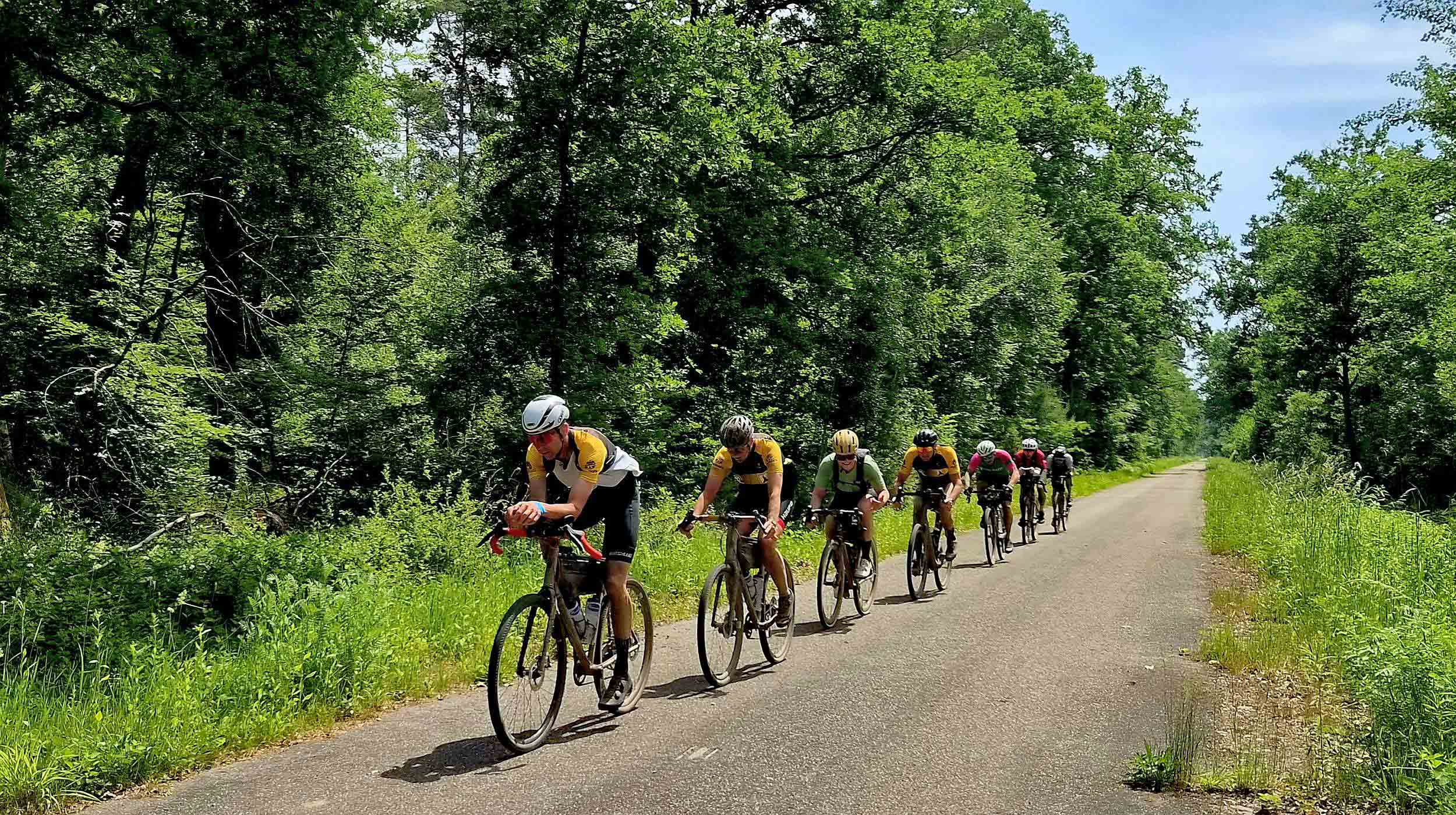
During the opening kilometres, everyone is thoroughly covered in mud, yet the deceptive calm of the early morning still prevails - that brief period when every participant pretends this was an excellent idea. The route initially heads east across flat terrain, which in cycling language means: “Enjoy it while you can.” Soon the Rhine appears, that broad, serious-looking river that could not care less about gravel bikes, but somehow still has to be part of the route. Riders follow it along an old towpath - a reminder of times when horses did the work and people knew when to stop.
At BASF’s oil harbour, the scenery turns industrial, almost philosophical. Here, where chemistry and capital intertwine, one inevitably wonders whether brunch might have been a better choice. But by now, it is far too late. The route skirts Ludwigshafen and the perfect gravel tracks of the Maudach wetlands provide the first genuine riding pleasure - or what passes for pleasure in this context: a gentle shaking of every internal organ.
Beyond Speyer begins the phase of unwavering determination. Kilometre after kilometre through the southern Palatinate, passing fields so meticulously arranged they seem designed by an exceptionally obsessive gardener. Vegetables, fruit - everything grows here except, perhaps, common sense, one thinks while continuing to pedal.
The Bienwald welcomes the riders with roads so perfect they seem suspicious. Straight as arrows, finely gravelled, they roll along and briefly forget that more than half the route still lies ahead. Finally, after 135 kilometres: Wissembourg. France! Bakeries! Croissants! Civilisation has returned! Some riders stop to enjoy the French atmosphere with café au lait and laissez-faire. Most do not. Because with 190 kilometres still remaining, there is a remarkable ability to suppress any appreciation for culture.
The route continues alongside a cool stream and into the southern Palatinate Forest. The scenery becomes increasingly storybook-like: ancient trees, sleepy villages, a landscape that seems to have consciously opted out of the 21st century. One almost expects a mythical creature to emerge from the woods and slowly ask why anyone would do this voluntarily.
Beyond Nothweiler, the route crosses another border, passes Gimbelhof and offers a view of Falkenstein Castle, carved so dramatically into the rock that it appears to be an act of architectural defiance. Shortly afterward, it is back into Germany, back into the forest - this time the Dahner Felsenland, with its bizarre sandstone formations that look as though a bored giant once experimented with oversized building blocks.
Near Dahn, the terrain briefly allows for relaxed riding before the Devil’s Table rock formation appears on the left near Hinterweidenthal - a name that feels far less metaphorical at this point than one might hope. Then comes the climb toward Gräfenstein Castle. The gradual ascent rises almost imperceptibly at only a few percent gradient, allowing the pace to remain high. Here begins the phase when conversations fade away and optimistic thoughts become increasingly rare.
After Röderhof, relics of more recent history emerge: former U.S. Army bunkers, once used to store chemical weapons and now silent witnesses to another era. The contrast with the peaceful forest landscape is striking - and a subtle reminder that humanity has always made questionable decisions, merely on different scales.
Waldfischbach-Burgalben finally offers supplies. Supermarkets suddenly appear like oases. A slice of fresh apple cake restores energy. Riders buy things they would never normally eat and consume them with a level of enthusiasm bordering on religious revelation.
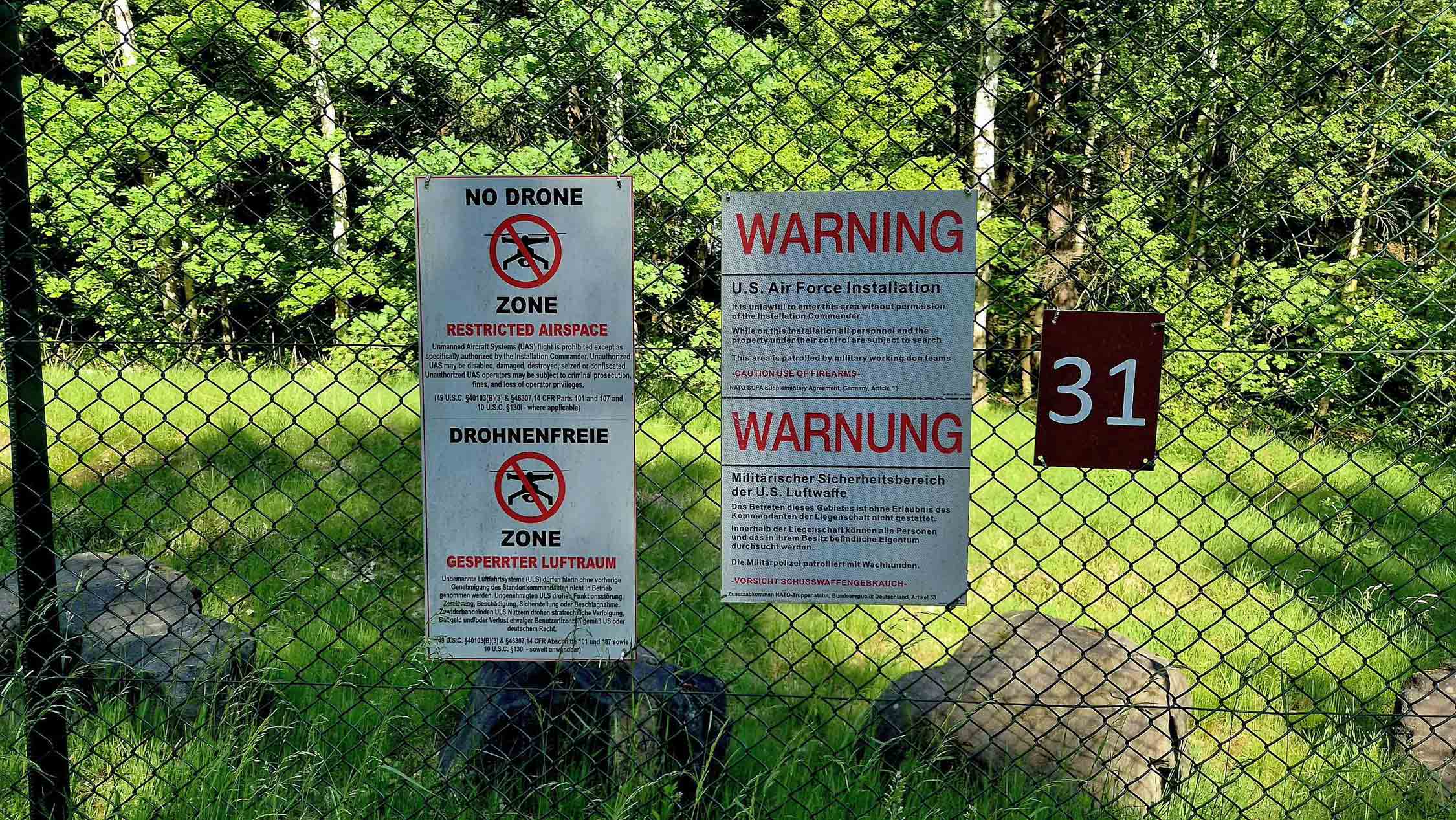
The final 100 kilometres begin. North is the direction; doubt is the companion. Near Kindsbach, the Palatinate Forest releases the riders once more and suddenly, there is Ramstein Air Base. Jets thunder overhead, enormous transport aircraft wait for takeoff clearance and warning signs strongly discourage trespassing - as if anyone still had enough energy after 250 kilometres to storm a military installation.
The final section bears the name “Barbarossa,” after Emperor Frederick I Barbarossa, which seems fitting, because this too is about endurance, suffering and a certain romanticised interpretation of history. Darkness gradually settles in, bringing with it that peculiar mixture of exhaustion and stubbornness that cyclists like to call a “second wind.”
Eventually, after 320 kilometres, the German Wine Route appears. And finally, the finish at the Wine Gate in Bockenheim. Riders roll across the line - not triumphantly, but with relief. As if they had fulfilled a very long, very dusty contract.
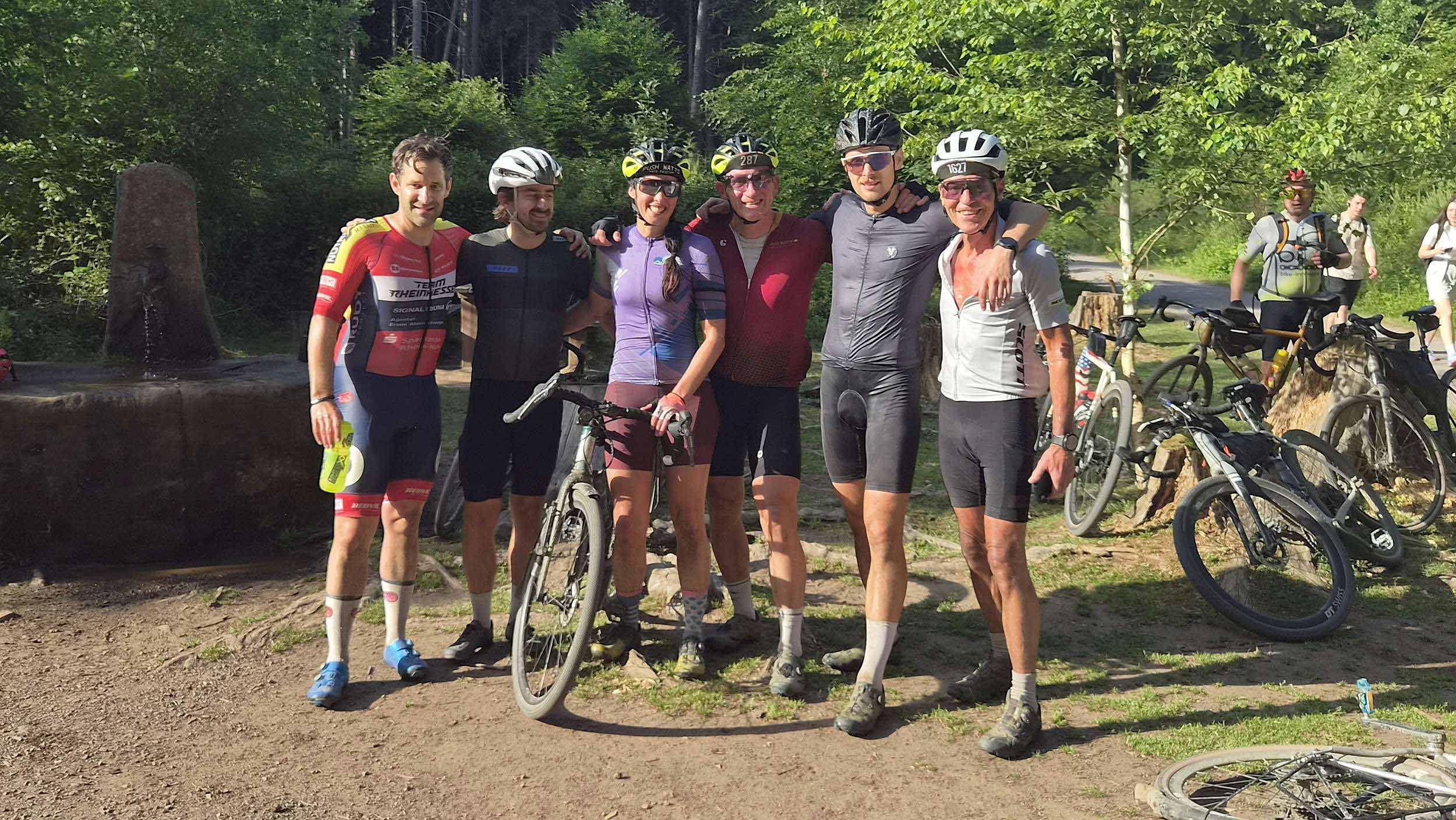
The Palatinate gave everything it had: forests, castles, rock formations, villages and trails that are both beautiful and faintly hostile. And somewhere, in a few days, a medal will arrive by mail. A small piece of metal as proof that on a day in May, one decided to ride 200 miles through the Palatinate - and actually did it.