Stories of previous generations of cyclists eating vast plates of spaghetti for breakfast before lining up for a day of competitive racing are legion, if not always strictly accurate. In his latest article, nutrition expert Matt Hart, owner of TORQ, gives us the low-down on effectively preparing for the high energy demands of an endurance gravel event. Read on to find out more.
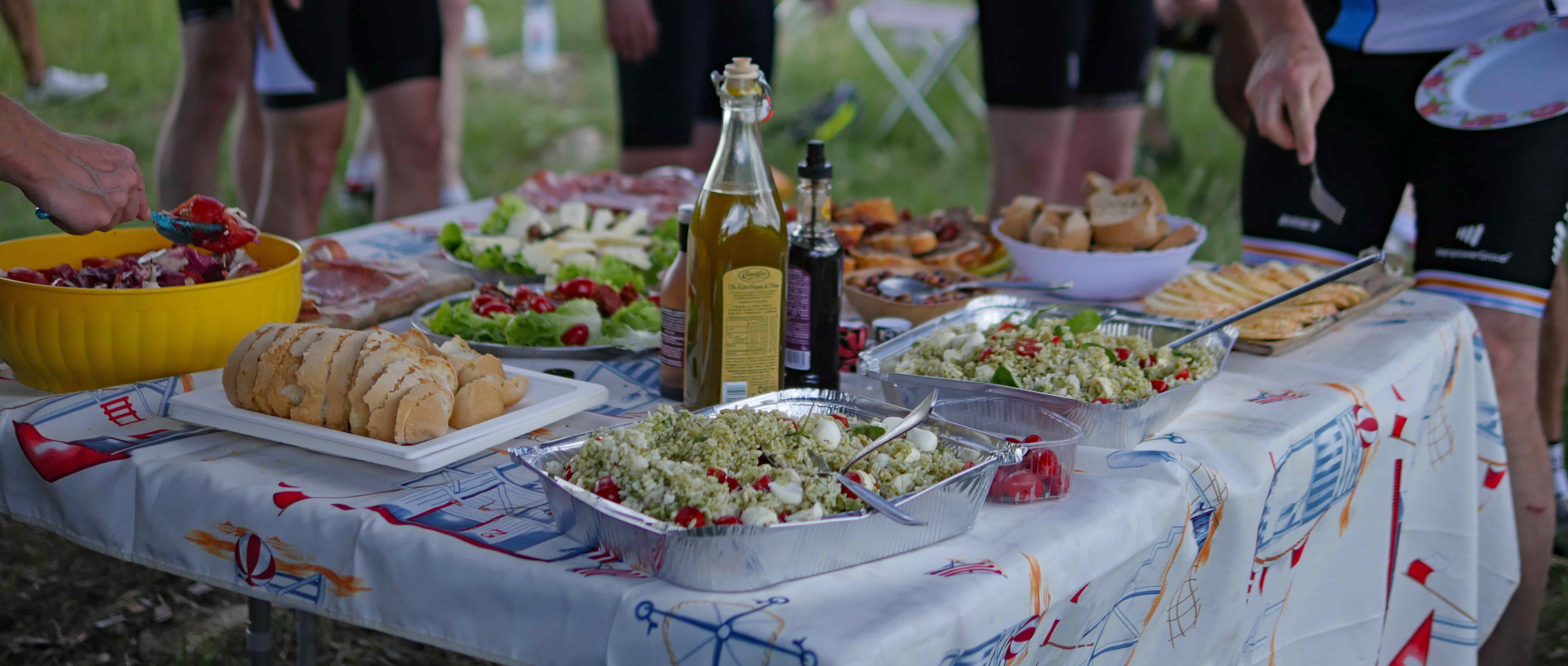
When preparing for a long, demanding endurance ride or event, think of your body as a high-performance electric vehicle - you wouldn’t start a long journey on half a charge, especially if you weren’t certain that you would encounter reliable fast-chargers along the way? Yet far too many athletes overlook the most critical phase of their pre-event or pre ‘big ride’ preparation – filling their endogenous (in-body) fuel tanks. Carbohydrate loading remains one of the most powerful nutritional strategies to extend endurance performance and when handled with intelligence and discipline, will deliver the edge you need.
Why Carbs Matter: The Fuel of Excellence
Our physiology relies predominantly on two energy sources during exercise: fat and carbohydrates, with minimal protein metabolism, which tends only to occur when carbohydrate availability is scarce. Fat reserves are vast (tens of thousands of calories) whereas your internal carbohydrate stores (glycogen) are finite: about 400g in muscles and 100g in the liver, totalling roughly 500g (2,000 kcal).

As intensity rises, reliance on carbohydrates surges. At maximal sustainable pace, carbohydrate oxidation rates peak at around 3 g per minute, meaning up to 180 g can be burned in a single hour. At that rate, your endogenous carbohydrate reserves deplete in just 2.5 hours - far less if you start with suboptimal glycogen levels or include intense bursts such as hills or sprints. A classic 1967 study confirmed that higher glycogen stores dramatically extend time to exhaustion, revealing a progression from 2 hours at 5% carbohydrate diets to 3.5 hours at 82% carbohydrate diets.
The strategic goal is clear - super-saturate your glycogen reserves before event day or ahead of any significant endurance challenge.
Old vs New: Evolution of Carbohydrate Loading
– Classic Regimen (1967)
This early approach involved exhaustive exercise followed by 3 days of a low-carb, fat/protein-heavy diet to activate glycogen synthase, the enzyme responsible for storing carbohydrate away. Then then there was a 3-day period of ultra-high carbohydrate intake (90% of daily calories). Whilst effective, it imposed intense restrictions, mood disturbances, disrupted training and compromised the immune system.
– Sherman Protocol (1981)
A more pragmatic alternative involved tapering training whilst gradually increasing carbohydrates over the three days leading up to the event without the troublesome depletion phase. This delivered similarly elevated glycogen reserves with far fewer downsides.
– University of Western Australia Model (2002)
More recently, a lean, potent method involved tapering until 24 hours before the event, then the performing of a single, maximal-intensity 3-minute effort, followed by a full day of 10–12 g of carbohydrate per kg bodyweight. This one-day regime boosted glycogen by 90, a faster, more streamlined solution without sacrificing training readiness.
Your Modern 24-Hour Speed Loading Plan
- Timing: 24 Hours Pre-Event
- Exercise: Warm up, then execute one 3-minute all-out anaerobic effort. This small burst primes glycogen synthesis without impairing freshness or tapering.
- Nutrition: Immediately post-effort, drink a recovery beverage containing 25g of protein and 75g of carbs while spinning gently. From then on, consume 10–12 g of carbohydrate per kg bodyweight in the next 24 hours; keep fat and fibre very low to maximize absorption and minimise digestive stress.
- Hydration: Every gram of glycogen stored binds roughly 3g of water, so sip fluids consistently to support carbohydrate storage.
This streamlined protocol aligns with modern training principles. Maintain a light taper, avoid extreme diets and still achieve full saturation of your fuel tanks.

How to Eat (and What to Choose)
It’s a really useful skill to learn which kinds of foods contain carbohydrate and particularly which are high in carbohydrate and low in fat. Carbohydrates are available either as lean starches (polysaccharides) which are savoury with little or no sweetness, or mono/disaccharides, which are sweet tasting, providing dense calories with low bulk.
- Examples of Polysaccharides: Pasta, rice, potatoes, couscous and bread.
- Examples of Mono/Disaccharides: Sugars, honey, jam and sweets like wine gums.
- Examples of Combinations: Sweet popcorn, tea cakes, pancakes with syrup and sweet rice cakes.
Try to Avoid: Cakes, biscuits and chocolate. Always look at the fat content on packaging and choose foods that have a very high carbohydrate to fat ratio.

Low-fat, low-fibre food reduces the digestive burden and speeds glycogen loading.
During loading, carbohydrate should comprise around 90% of energy intake, with protein making up minimal calories and fat kept very low. These lighter, low fibre carbs do tend to be sweet, but when you’re carbohydrate loading, these kinds of foods become essential to your goals. We don’t recommend that you always eat like this!
For further information on the kinds of foods to take onboard, you can refer to the original article on the TORQ website
Event Morning Fuel: Timing and Composition
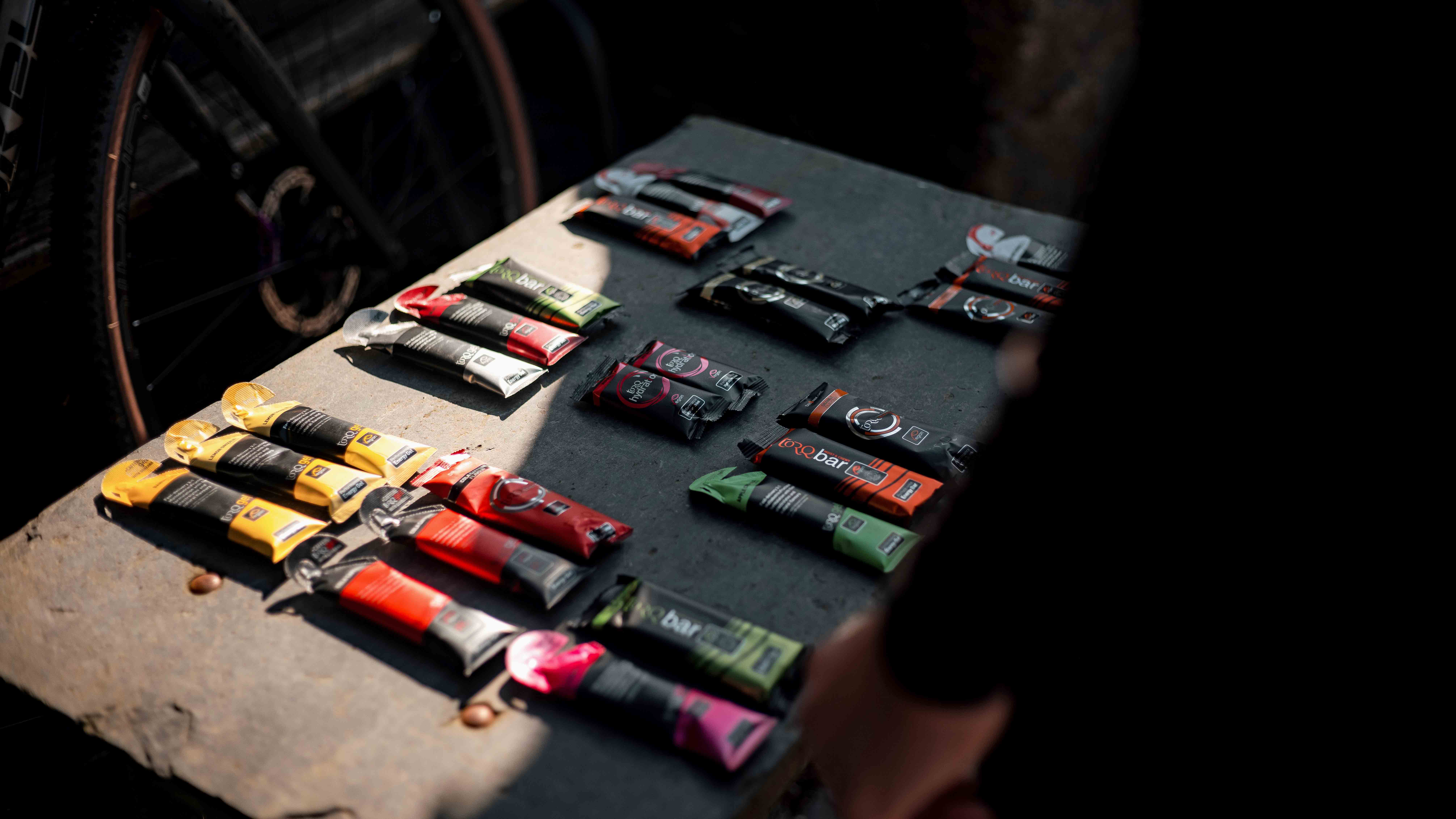
Overnight, liver glycogen is naturally consumed by the body, so breakfast 3–4 hours pre-race is essential to top up those reserves. Aim for 50–100g of carbohydrate plus a modest amount of protein (20–25 g), keeping fibre and fat minimal. Choose familiar, well-practiced foods. Avoid high-GI carbohydrates within 1 hour of start, as they can provoke rebound hypoglycaemia, causing sluggishness or dizziness just when you need alertness. High GI foods are foods that get into your blood quickly like dedicated Performance Nutrition ride fuel – save these for during the event itself when your body will benefit from fast-delivery carbs.
During the Event: Fuel for the Long Haul
As we have discussed previously, fuelling with fast-acting exogenous forms of carbohydrate during endurance exercise is vitally important in extending time to exhaustion. It’s always the combination of carbohydrate loading and diligent fuelling that will give you the best results and afford you a higher pace. The significant benefit of combining carb-loading with a fuelling regimen come to the fore when the challenge is ultra-distance or multi-day like a stage race.
As a rule, aim to consume up to 60-90g of exogenous carbohydrate per hour to avoid depletion of your internal endogenous stores. Higher intakes can be tolerated, but you should practice this in training first or risk stomach upset.
Watch this video if you want to learn more about the importance of on-bike fuelling:
Potential Pitfalls & Smart Practices
Heavy Legs Syndrome: Some people report sluggishness early in events following heavy carbohydrate loading. This effect fades quickly as glycogen is mobilised during the first hour or so. For events under 90 minutes, super-loading may be unnecessary.
Psychological and Immune Effects: Deprivation-style loading (e.g. low-carb phases) can harm mood, motivation, and immune function. That’s why the modern high-carb, minimal-depletion protocol is psychologically and biologically safer.
Overloading Beyond Oxidation Capacity: Once glycogen-oxidising capacity maxes out, excess carbohydrate offers no benefit and can lead to inefficiency. In other words, don’t carbohydrate load for a short ride or event, because your legs will feel heavier than usual and you’ll end up carrying excessive weight. 3g of water is retained for every 1g of carbohydrate stored remember?
Sample Timeline (for a 70 kg Athlete)
Timeframe | Action |
48 h before race | Begin increasing carbohydrate intake; taper training volume. |
24 h before race – midday | Warm-up, perform 3-minute maximal effort, then recovery nutrition. |
Next 24 h | Consume 10–12g carb/kg, low-fat, low-fibre meals; hydrate. |
Night before race | Final high-carb feed before bed. |
Race morning (3–4 h ahead) | Light carb-rich breakfast (50–100g carbs + 20-25g protein). Avoid high GI <1 h prior. |

Summary & Strategy
Carbohydrate loading is not an indulgence, it is a precise science and performance gains will be brought about by the discipline surrounding a proper strategy. Plan your meals, test the protocol in training and choose clean, carb-rich food sources. Prepare your fuel tank, trust your planning and complete your event or long gravel ride with confidence. Here’s to crossing your finish line powered not just by carbohydrate calories, but by intent and forward-planning.