“This is Spanish wilderness gravel biking at its best with long climbs, thrilling descents and new challenges every day. We follow in the footsteps of centuries of traders, troops, travellers and pilgrims, all of whom have left their mark and added to the character of the route.” That’s how Saddle Skedaddle describes their 1,000km Ruta de la Plata gravel adventure. We went behind the scenes and spoke to both riders and staff on the inaugural departure to discover whether the experience lived up to the marketing promise.
"The hard work fades into the background and you just have a sense of achievement."
We had been chatting with Katrina Vollentine about her experience on the inaugural departure of Saddle Skedaddle’s Ruta de la Plata (RDLP) gravel trip to get her insight into what it was like from a customer’s perspective. It was clear that she’d found the trip a challenge. "At the time you think, 'This is so hard', but afterwards you realise it was actually quite magical.” Skedaddle graded their RDLP trip as Grade 3-4 Moderate/Challenging and it certainly seemed to push everyone, but as one of the other customers, Morris Camp, said “When you do hard stuff and come out the other side, you're kind of a changed person." Skedaddle’s 1000 km point-to-point RDLP tour is aimed at adventurous gravel riders and takes them from Seville in the south of Spain, right through the heart of the country up to the pilgrimage destination of Santiago de Compostela in the far north-west.
“Meeting pilgrims along the route gave it some real context and added to the shared experience”
While the religious heritage of the Ruta de la Plata may not have been the main reason most riders signed up for the tour, it nevertheless added an extra layer of meaning and perspective to the experience. “The pilgrimage aspect of the route wasn’t the reason I booked, but it added another dimension to it” said Louise Crossman, when we asked her about her experience. “Meeting pilgrims along the route gave it some real context and added to the shared experience” she continued. Morris gave us his perspective, “I’d walked some of the other Camino pilgrimage routes already. I wanted another Camino experience and more specifically, I wanted to do the Ruta de la Plata route by bike. I chose the route first and then looked at which tour operators offered it afterwards.” Katrina hadn’t considered the pilgrimage aspect when she booked, but said “Seeing walkers every day, arriving in Santiago alongside pilgrims and reflecting on the length of their journeys gave the trip an extra dimension and a genuine sense of achievement.”
For Louise, the changing landscapes were one of the highlights of the trip “The transition of landscapes was terrific fun. We experienced a variety of flowers and spring colours. We saw changing farming patterns and differences in land use. The high Sierra landscapes were wonderful.” Katrina added in her perspective, “It felt like a journey through Spain, not just a bike ride.” She continued, “I really love Spain and Spanish culture. The trip felt like we were experiencing the country day by day rather than simply travelling through it. The gradual changes in scenery, agriculture and vegetation were amazing, but I loved experiencing the different towns and villages too.” One of the three guides that ran the trip, Francis King, summed up the experience eloquently "It's a progression through a country's landscape." Francis continued, “Every few days, the scenery, agriculture and atmosphere change noticeably. The RDLP feels like an "iconic journey" rather than a collection of disconnected rides.“
"What used to be classified as cross-country mountain biking has largely been taken over by the gravel world."
We asked Francis to try and sum up the riding itself and how it changes over the course of the trip “The route is overwhelmingly off-road with very little traffic. The riding includes flowing woodland singletrack, doubletrack, farm tracks and old rail trails. The variety keeps the route engaging. There are some rocky sections later in the trip, but the trails generally encourage speed and fun rather than being overly technical. The route was essentially "waiting for gravel bikes" and has evolved over time through refinements. “ Skedaddle originally sold the trip as an XC MTB itinerary, so we asked route creator Dan Hirst for his insight into how he tweaked it for a gravel-riding audience "It’s interesting that the crossover is so huge now. What used to be classified as cross-country mountain biking has largely been taken over by the gravel world. Gravel bikes simply make the route accessible to a different audience. Most of the route works perfectly on a gravel bike, while alternative lines and easier options allow the guides to adapt the route to the group and the trail conditions if they need to.” Dan continued, “If I had to sum up the experience, I would say that it's a fabulous journey. There are some big days and it has an expedition feel to it, but this helps give riders a sense of travelling through Spain rather than simply riding in Spain.”
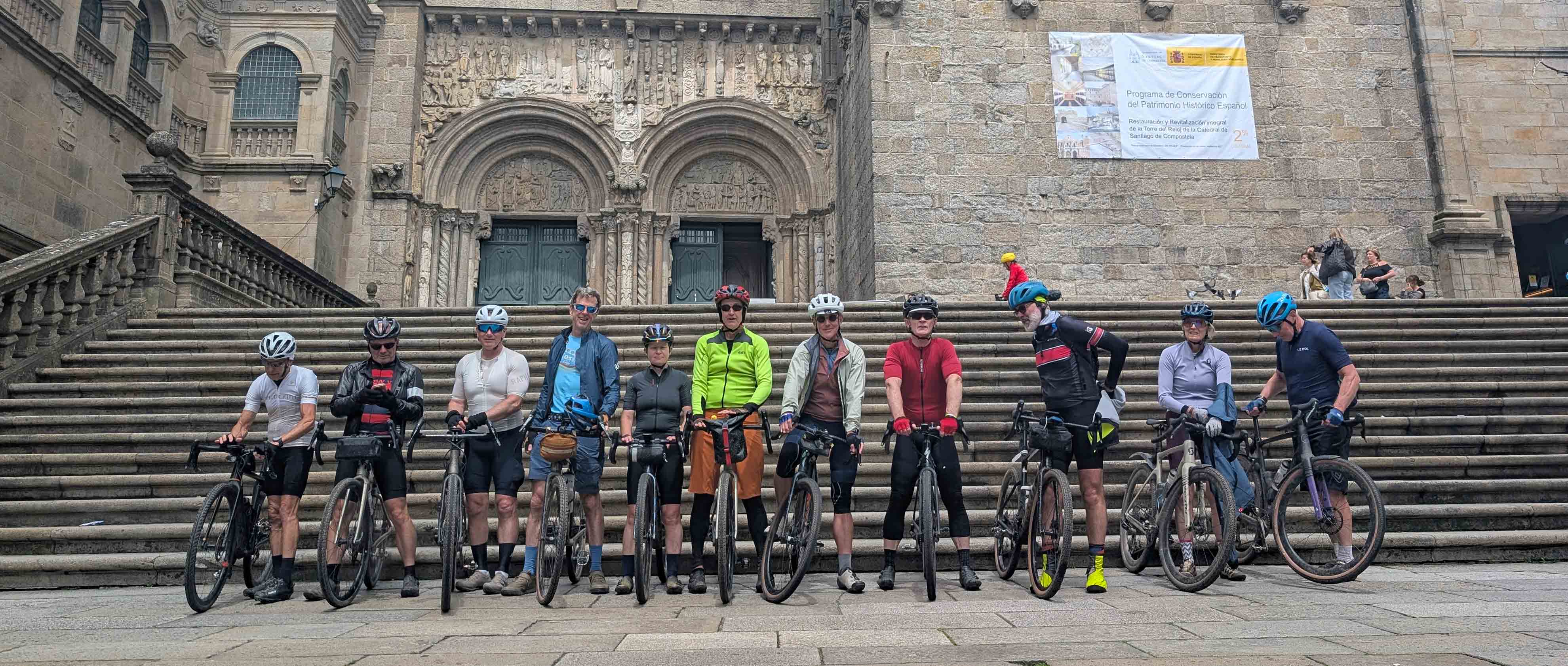
Asking different people for their opinion will always generate some diverse answers, but the one subject everyone was unanimous about was how well the group gelled. “I can't say enough about the camaraderie and the friendships that developed during the trip”, said Morris. “I was hoping for this to happen, but we did things which really helped – long coffee and lunch stops where we all sat together and talked, for example.” Louise agreed, “There didn't seem to be any friction. Generally, we were at a similar standard. It’s a shame there weren’t more women on the trip, although this isn't a criticism of Skedaddle – rather it’s an opportunity for the future.” Katrina agreed with this “I started riding more seriously after watching the Women's Tour de France in 2022 and came from a mainly road cycling background. Initially, I lacked confidence riding off-road alone, but I’ve found that group gravel trips helped me tackle terrain I would never attempt by myself. Although this isn’t something that Skedaddle can fix easily, having more women would help create a broader range of expectations and make newcomers feel less intimidated. Riding with strong female riders can be really inspiring.” Morris finished off this section of the conversation by saying, “There wasn’t anyone on the trip who shouldn’t have been there.”
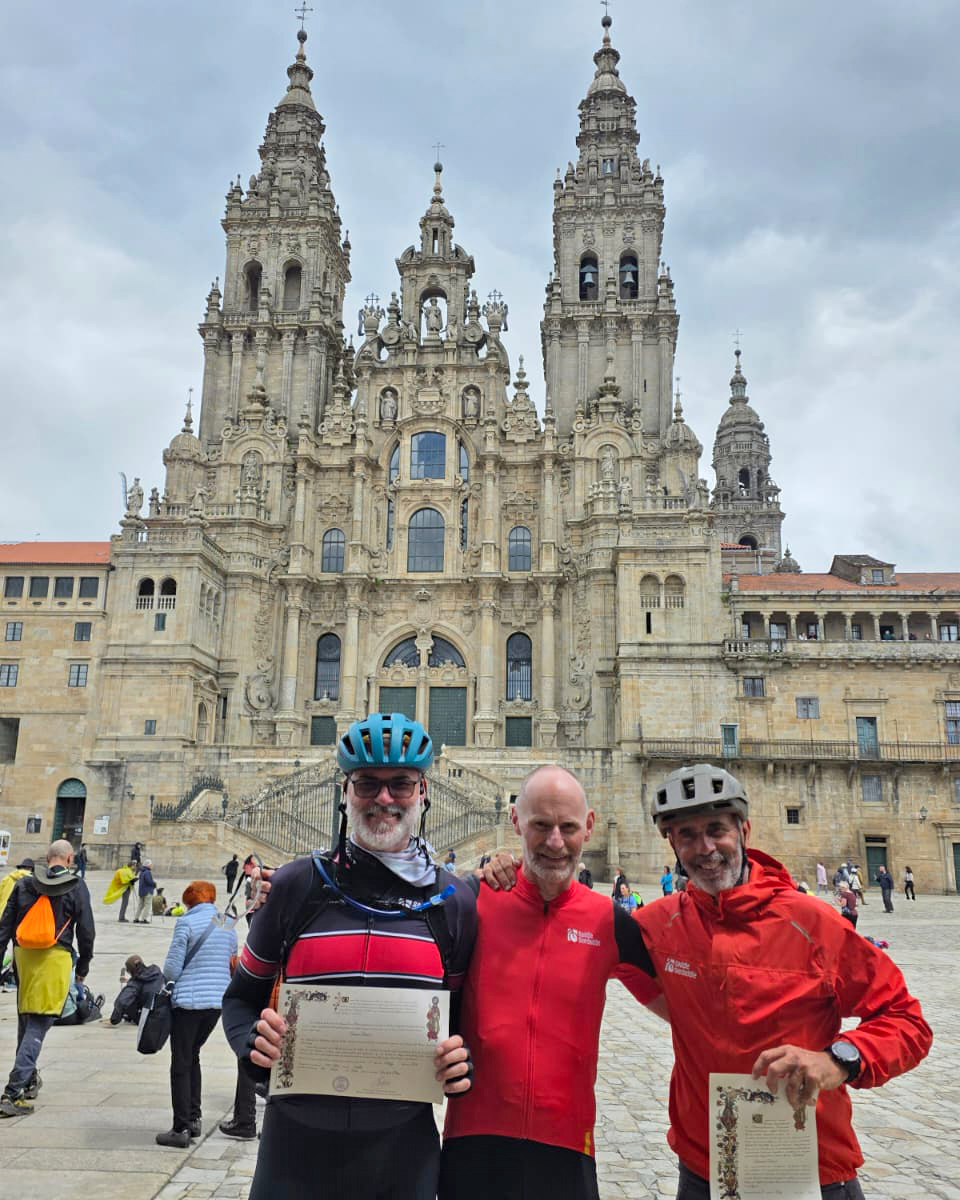
The Skedaddle guide team - Javi, Francis and Simone
"Their local knowledge was key - this is not a route I would do myself."
One aspect of the trip that drew universal praise from the riders we spoke to was the quality of the guides, with customers describing the experience in glowing terms. "They were encouragers.” Morris told us, “Their local knowledge was key - this is not a route I would do myself. But they also knew what information to leave out – there were a couple of times where they deliberately avoided describing some climbs in too much detail. There were times when I thought I'm so glad you didn't tell us about some of these climbs.” Morris also mentioned how impressed he was with the mechanical support that the guides offered “I noticed that the performance of my brakes was starting to fade and the guides soon identified the problem and had my brake pads changed in five minutes. They managed everything from topping up tyre sealant to dealing with any other mechanical issues.” Katerina added in her thoughts, “The guides were encouraging rather than pressuring. They helped create a supportive atmosphere and were flexible when riders struggled. Their famous competition over who could prepare the best lunch was one of the highlights, too!” We asked Francis what it was like working with such a diverse guide team "Javi, who is Spanish, was an inspiration to work with and his native language skills were invaluable. Simone, who is Italian, brought incredible flair, and, in my opinion, he made the best lunches, too! I had good knowledge of the route, having bikepacked most of it the previous summer. We worked really well together as a team and I think the customers appreciated this."
"Stopping for coffee breaks and at lunchtime was a great opportunity to relax."
Food and mid-ride café stops were a recurring theme in our conversations with all the customers on the trip. Morris, who comes from the USA, said that the culinary and social aspects of the trip were an eye-opener "We learned to do ‘proper’ coffee stops. At home, we pretty much never do this, but stopping for coffee breaks and at lunchtime was a great opportunity to relax."
We chatted to Francis to get his insight into how the catering element of the trip works “From the guides’ perspective, Spain is fantastic because we can buy excellent local produce, which means we can produce really good, healthy picnic lunches. There’s amazing regional variation too – even the beers change as you travel through the country.” The only culinary issue a couple of customers mentioned was that Spanish dinner times (generally after 8:30 pm) took some getting used to. Francis gave his insight here “Dinners are typically eaten later in Spain, but fortunately, there are some great alternatives – on a few evenings, some of the group decided to go for tapas instead of having a sit-down meal and that seemed to work well.”
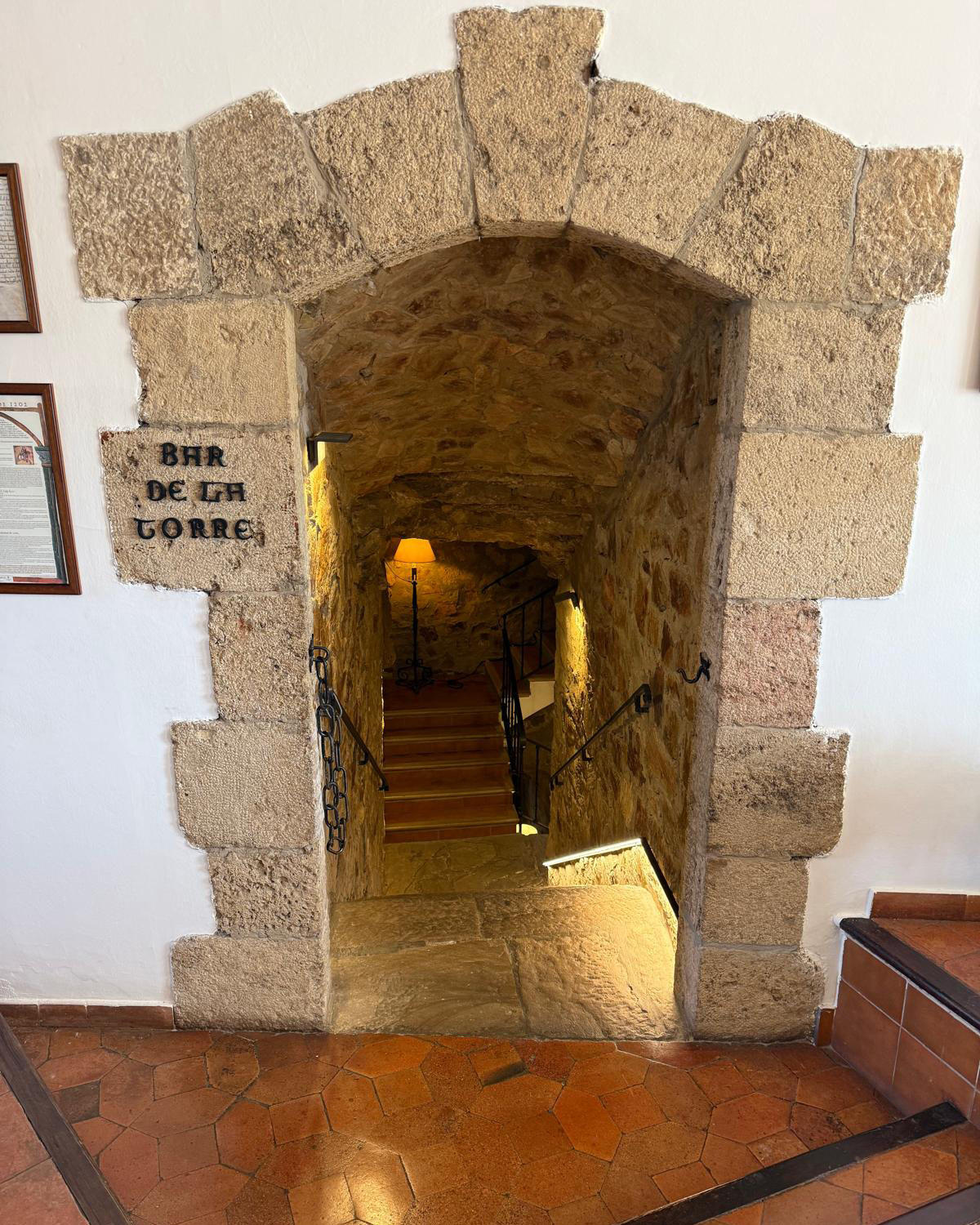
Second only to keeping the group well-fed is making sure they get a decent night’s sleep, so we asked Francis what the accommodation was like on the trip. “The three Parador hotels stand out as highlights. Accommodation ranges from spectacular historic buildings, with real character and atmosphere, to simple village lodgings. The standard does vary a bit – in some places, the choice is more limited due to the remote location. Most guests accept this as part of the adventure.” Louise concurred with this, “The accommodation varied quite a bit, but that's part of the deal. Hot showers matter and character matters, but in my opinion, luxury is secondary.”
"There’s so much history. The cities are just beautiful. We just don’t have history like this in America, so it was a big deal for us!”
Although the riding itself is enough of a draw for many gravel riders, being immersed in a landscape rich in historical interest is also part of the pleasure of visiting Spain. When we asked Francis to describe some of the highlights of the trip, he said, “The trip combines riding with culture and history. We pass numerous Roman bridges, aqueducts and amphitheatres. Cities such as Mérida, Salamanca, Zamora and Benavente add historical depth and pilgrimage traditions enrich the journey.” Louise echoed Francis’ view and suggested a related tweak to future trips “There was so much Roman history and we passed through many towns which were worth exploring. My only criticism of the itinerary is that there was very little time to be a tourist. Perhaps in the future, the trip could be altered slightly to offer a rest day in the middle. Not because of physical fatigue alone, but so that we could experience a little more of Spain away from the bike.” Morris added his view, “There’s so much history. The cities are just beautiful. We just don’t have history like this in America, so it was a big deal for us!”
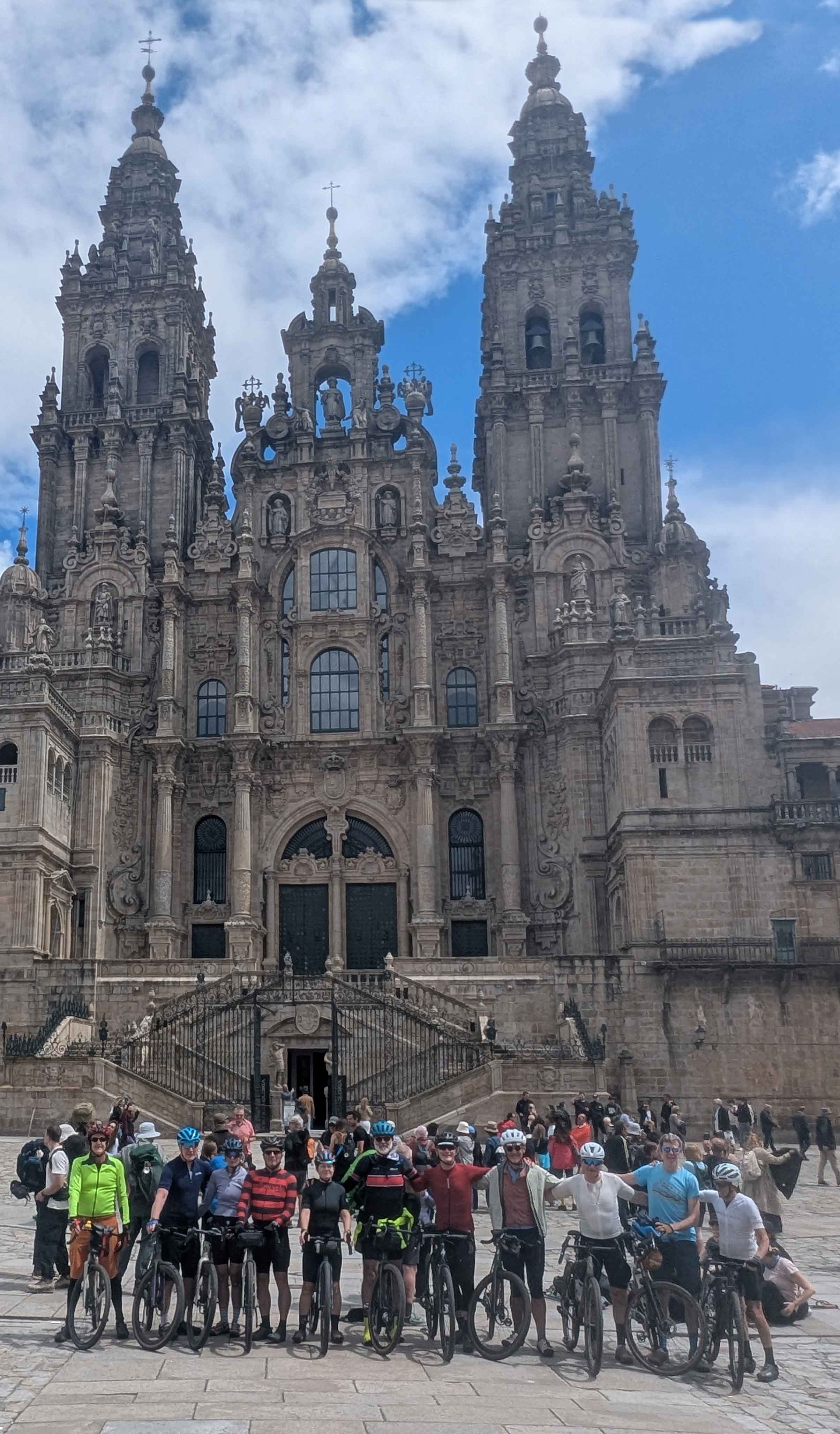
"It was harder than expected, but worth every pedal stroke."
We finished off our conversation by asking everyone to sum up the trip as succinctly as possible. Katrina said, “The trip is a journey through Spain, not just a bike ride. It was harder than expected, but worth every pedal stroke," Louise commented “Travelling by bike is such a fantastic way of seeing the culture of a place. The trip was enhanced by being on gravel rather than being on tarmac." She added, " You've got to be reasonably fit and it's not for the faint-hearted, but the trip was a wonderful way to see Western Spain." We’re going to give the last word to Morris, as he was perhaps the most eloquent. "It was an awesome journey."
While each of the riders we talked to had varying backgrounds, levels of experience and even requirements from the trip, the overall feeling we got was how much they had enjoyed it. The level of challenge of the trip shouldn’t be underestimated, but for adventurous gravel riders looking to really ‘get under the skin’ of a destination, then Skedaddle’s Ruta de la Plata trip sounds like it’s the perfect addition to your ‘must-do’ list.
The next departure of the trip is 4th October 2026. Prices start from £4595 and you can find out more information and view the route map on the relevant webpage of Saddle Skedaddle’s website. Saddle Skedaddle also offers a further 10 gravel riding holidays across Europe. Explore their range here.