Header image courtesy of Bike Zone Events
When Caroline Livesey was offered the chance to compete in the first ever UCI Gravel World Series event to be held in south-east Asia she probably had images of palm-fringed dirt tracks and baking hot sunshine in her mind. What she actually experienced was the tail-end of a typhoon which turned the course into a significantly greater challenge than she (and the organisers) had imagined.
Thailand is one of the recent additions to the UCI Gravel World Series. Hosted for the first time this November, it seemed like the perfect opportunity to combine travel, an end of season race and an excuse to explore some more jungle gravel.
I arrived in Thailand with no idea what to expect of the cycling. It was my first time in the country, but based on my experience of travelling in Nepal, I’d imagined chaotic, rough and dangerous roads. What I found instead couldn’t have been more different. Smooth tarmac, peaceful countryside and some of the most courteous drivers I’ve encountered. In fact the roads were so wonderful I spent the first three days there on my knobbly tyres exploring the flat road cycling in Samut Songkhram and then the mountains on the Myanmar border near Suan Phueng.
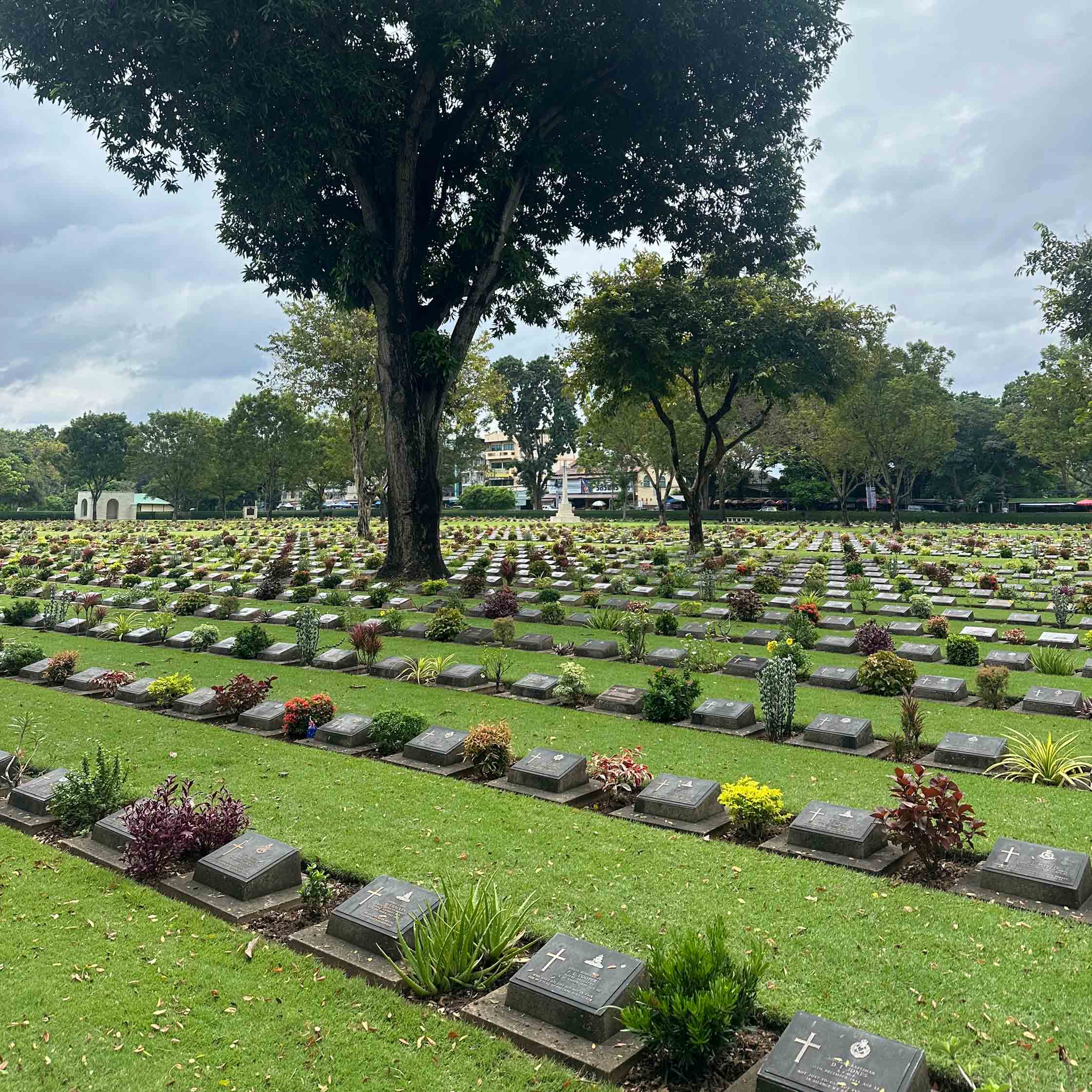
I travelled up to the race location a few days in advance. I wanted not only to recce the route, but also to pay homage to the history of the town. The race took place in Kanchanaburi, a region steeped in WW2 history. Thousands of British, Dutch and Australian Prisoners Of War (POW) as well as conscripts from Malaysia and other Asian countries were put into forced labour by the Japanese on the Thailand-Burma Railway. Many of them died in horrendous conditions earning it the nickname “Death Railway” and the town was also where the film “Bridge on the River Kwai” was set. In WW2 there were many POW camps in Kanchanaburi and it was the staging post for sending the prisoners “up the line” to work in the jungle, cutting the almost impossible route for the railway through to what was then known as Burma. Now Kanchanaburi is one of three sites where the bodies of POW were buried after the war. There are also three museums in the town as well as the original railway bridge which is complete with pock marks from the Allied bombing campaign which destroyed its middle two spans. Both my husband and I are British Army veterans and it was a moving experience, a reminder of resilience and endurance in the most brutal of circumstances. It added a layer of poignancy to the race through the jungle that would follow.
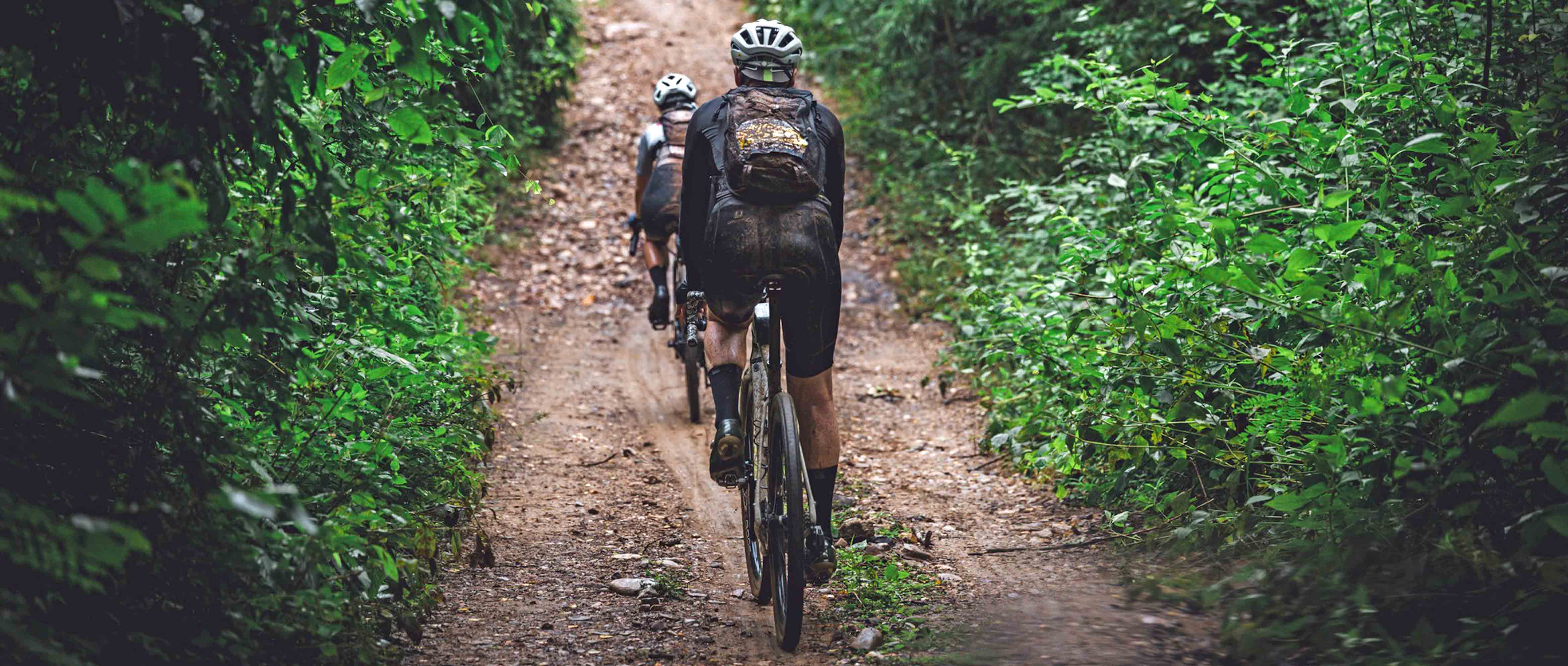
The weather in the week before the event was wild, even by tropical standards. I am told it was unusual for this time of year, but the torrential rain had turned much of the course into a muddy obstacle course. On my recce a few days before I found myself at one point knee deep in sludge pushing my bike out of one particularly deep hole. I thought conditions were bad, but they worsened and by race day some of the streams I had crossed on the route had become torrents! The well attended shake-out ride the day before was a good preview for some and a great opportunity to meet local riders and some likeminded European gravel adventurers.
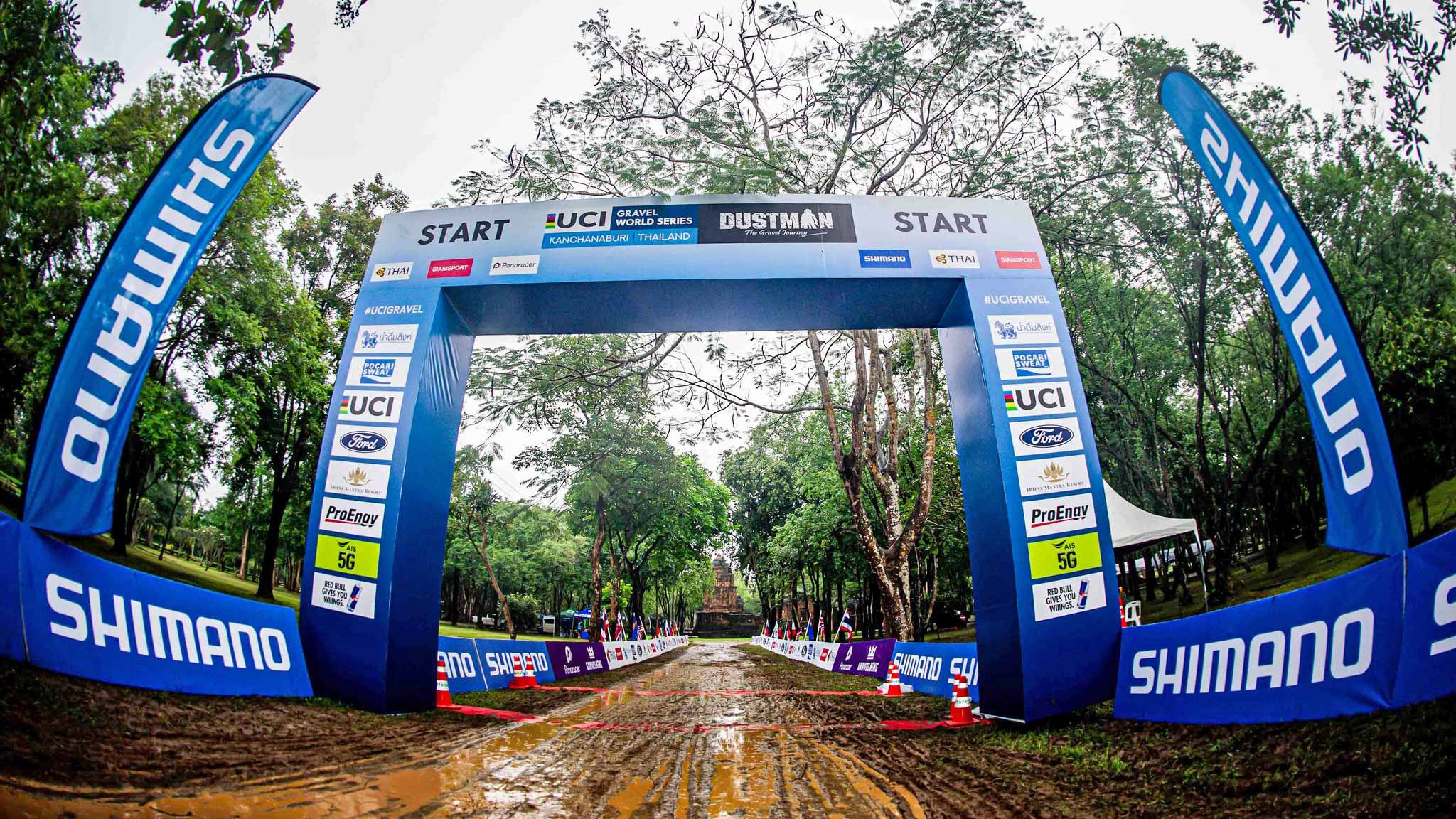
Image courtesy of Bike Zone Events
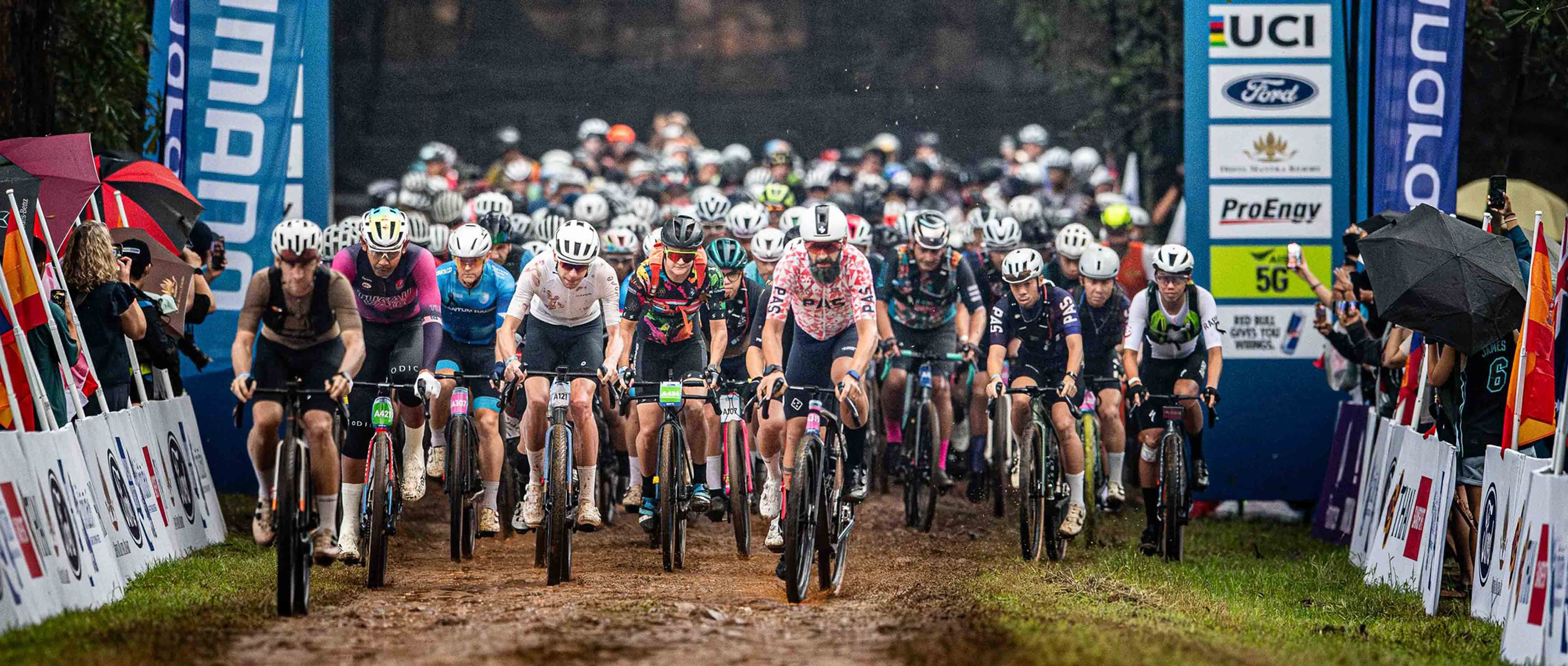
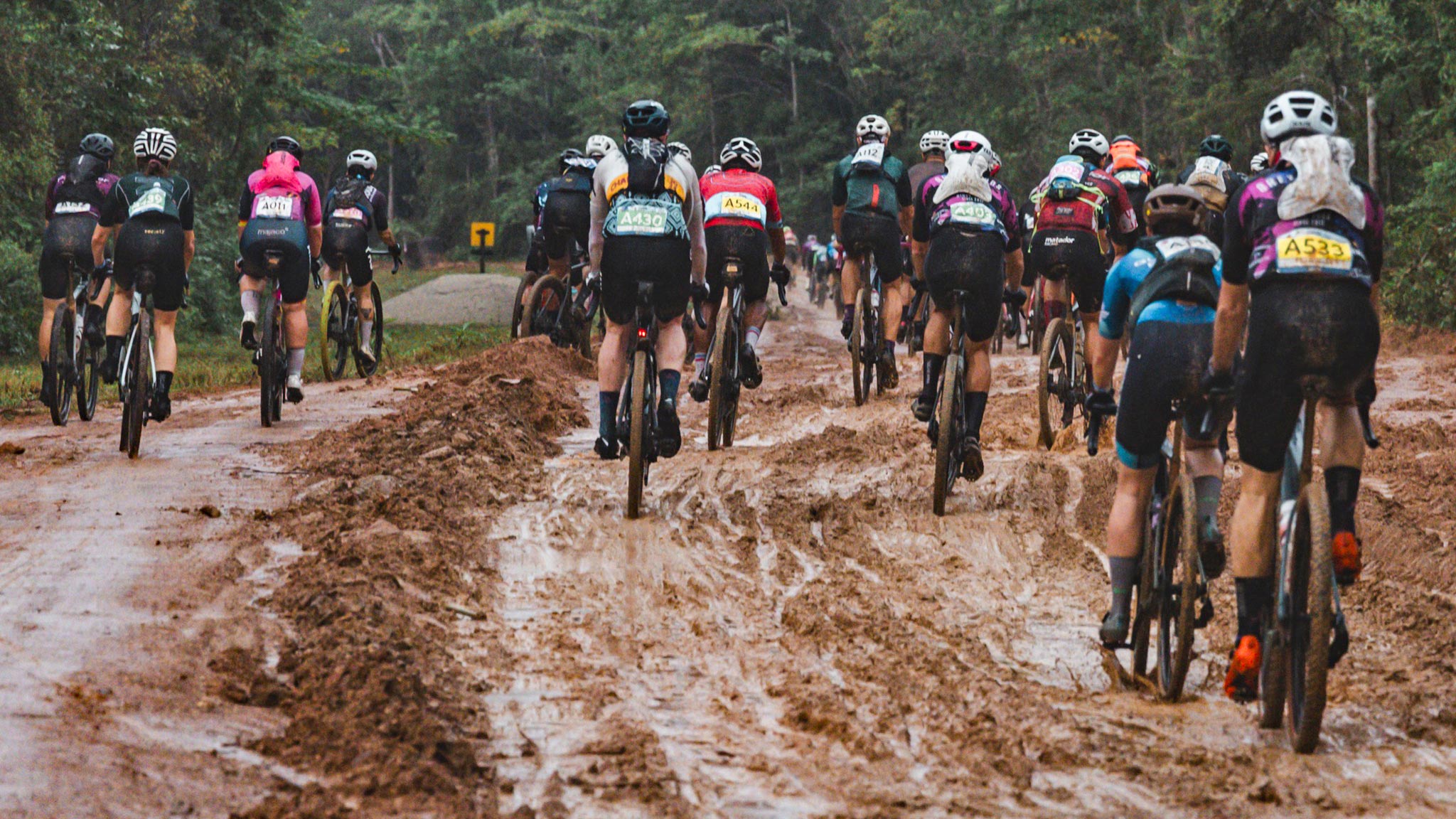
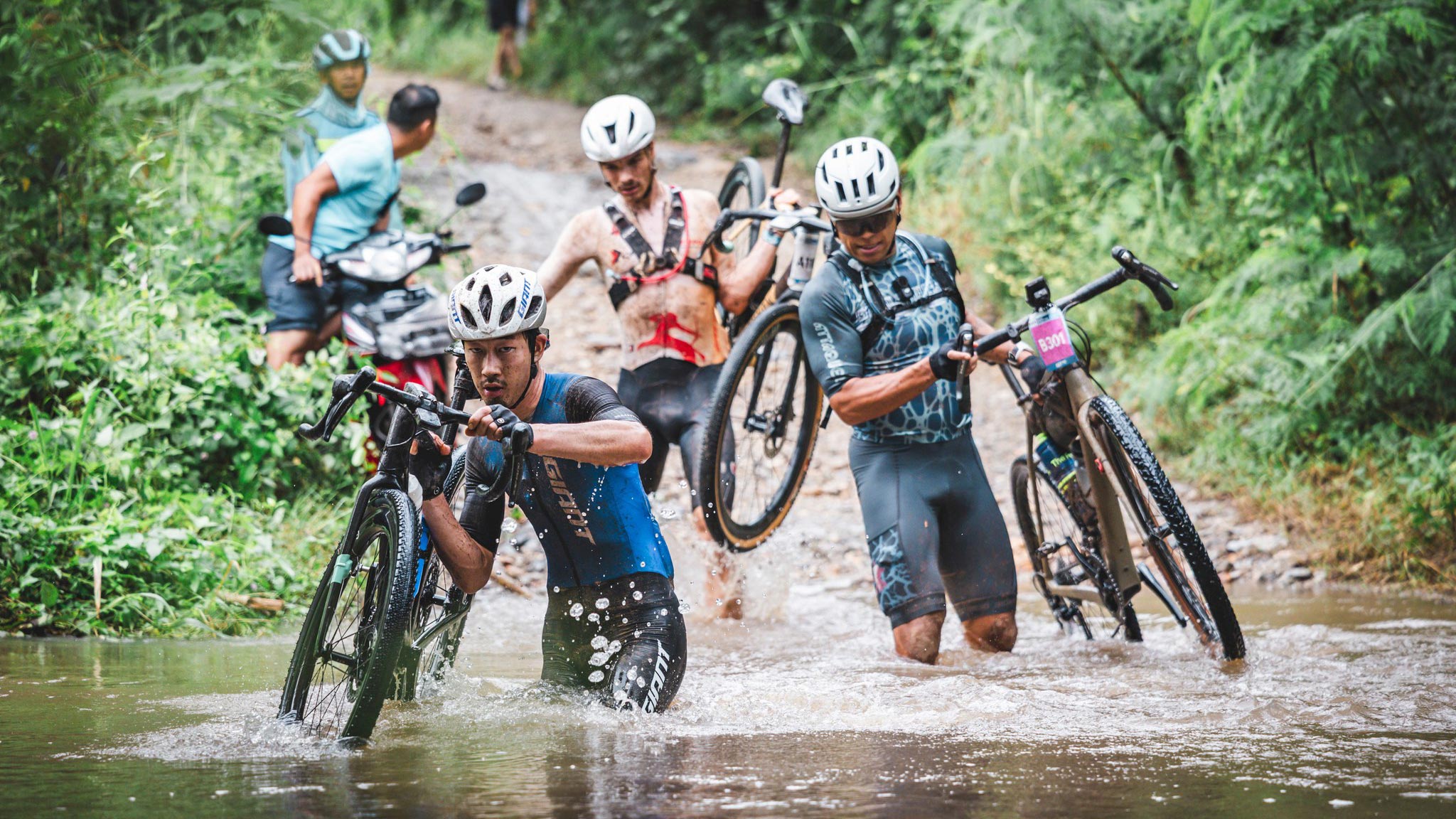
At the race briefing the night before I felt for the organisers, doing their best to continue with the race in the safest way possible. They had to hire a rescue team to stand in one of the deeper rivers and make sure riders dismounted and safely crossed the thigh deep current. It was a far cry from the fast, smooth gravel race they had envisaged. On the morning of the race, it was still pouring; a full monsoon start line. It was embraced by many, but for some it was simply too far to ride in such difficult conditions.
Images courtesy of Bike Zone Events
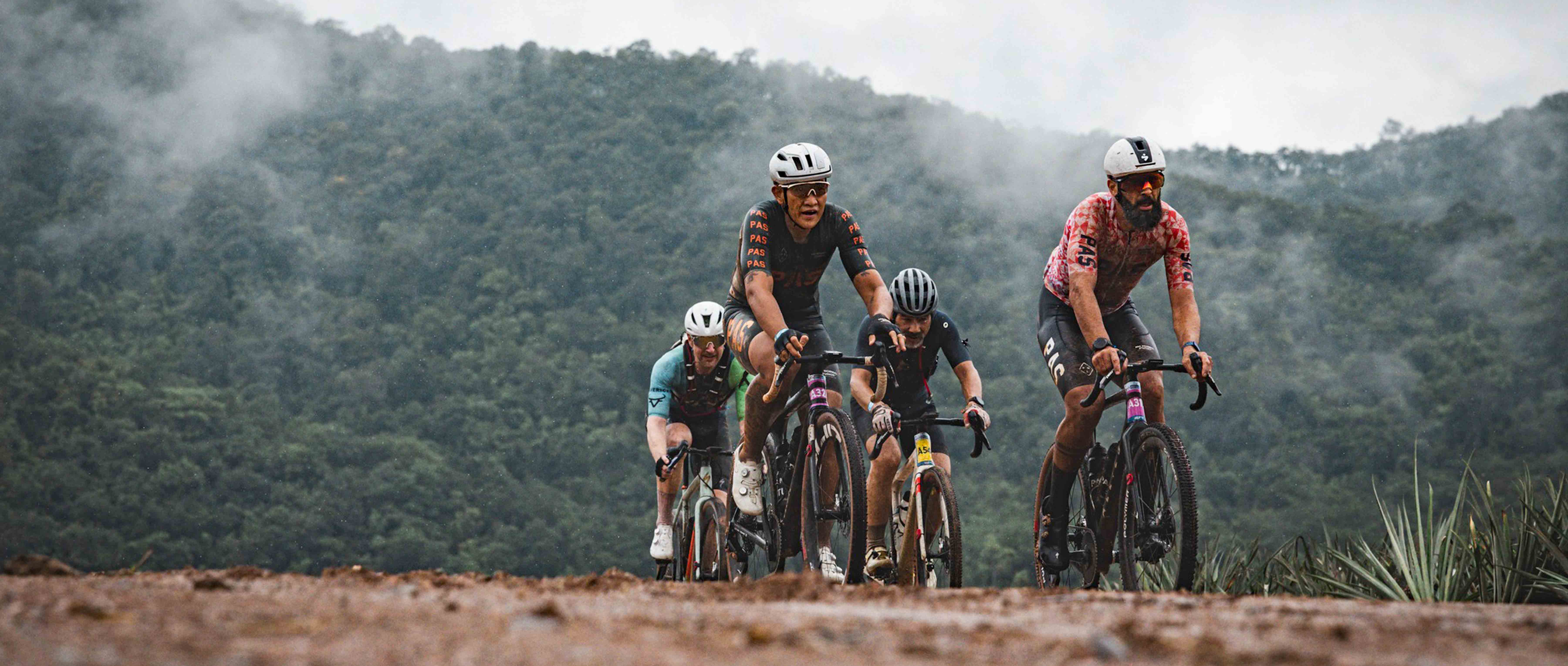
Having raced Transcordilleras in Colombia twice, I’ve learned to embrace gravel chaos and perhaps even thrive in it. There are almost no conditions I haven’t ridden in now and the mix of mud, water crossings and unpredictable surfaces felt strangely familiar. But I also felt the proximity of the history that surrounded me out in the jungle. The Japanese military used bicycles to move through terrain like this in WW2 and the conditions I was facing for just a few hours were what the POWs were forced to work in. Those thoughts were present in my mind as I struggled through some of the more difficult sections, galvanising my efforts.
Images courtesy of Bike Zone Events
The 130 km course quickly became a test of skill, stamina and persistence. There were long flooded sections where the track disappeared, huge sludge-filled holes that could swallow a bike and stretches of slippery mud that seemed to go on and on. One of the hardest parts was never knowing how deep a puddle was until you were already in it - every splash a gamble, some of which you lost.
I was grateful beyond words for the setup I rode, especially as others had perhaps not come with the right gear for the job. This was my first time racing the Orbea Terra Race and it handled like a dream. Light, agile, and perfectly balanced, letting me bunny hop ditches and skirt around obstacles when others were stuck walking. I was constantly surprised how well the Pirelli Cinturato Gravel M 45mm tyres held in the mud. So many times I thought I had taken it too far, slipping on mud at a slightly suicidal pace, but the tyres caught and the bike propelled me out.
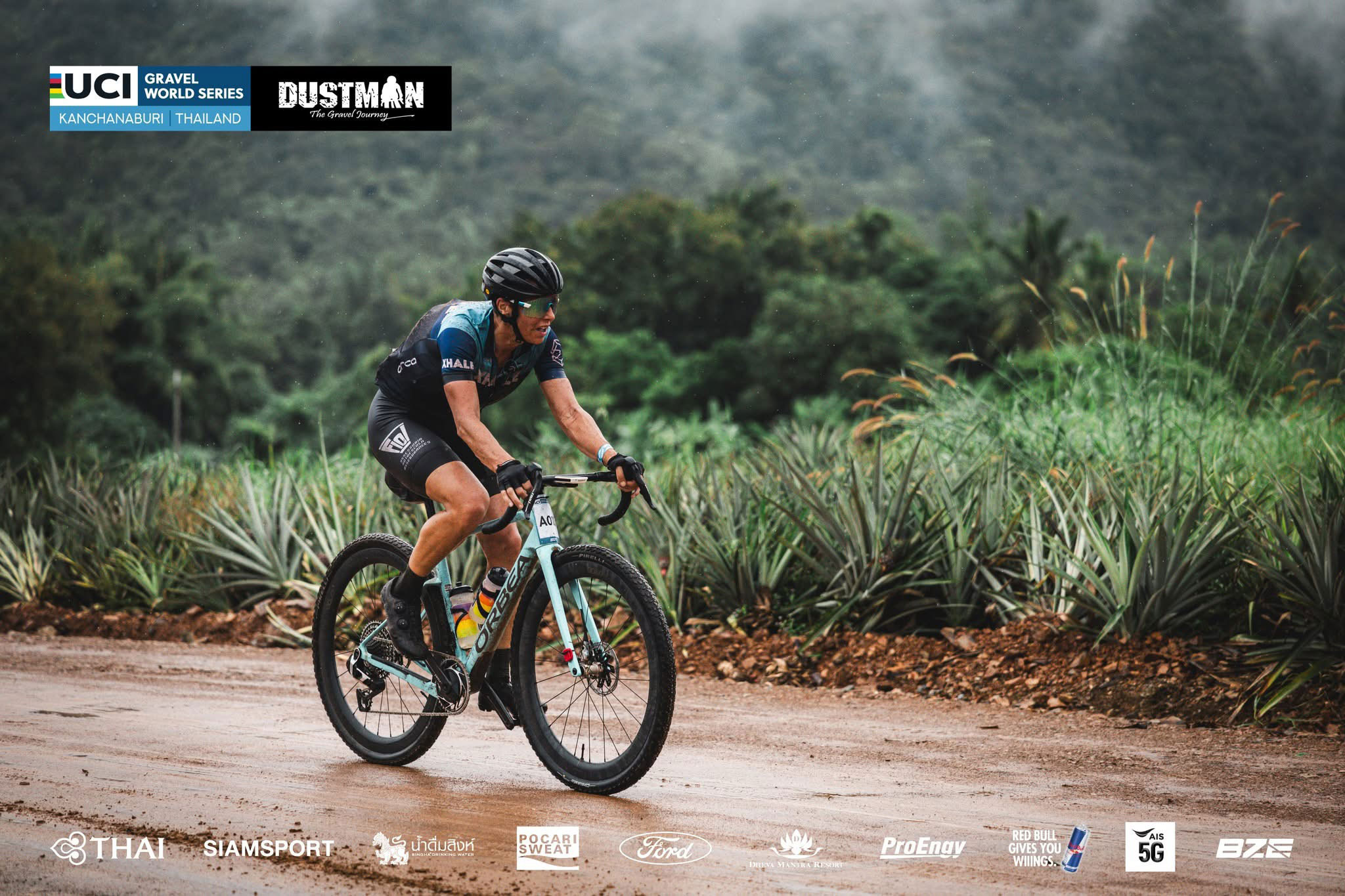
Image courtesy of Bike Zone Events
Despite the chaos, I found a rhythm; sliding, smiling and pushing hard through the mud. It wasn’t the biggest women’s field and I rode the majority of the event solo, but it was still a very testing race. I was thrilled to take the win and even more so to finish 8th overall, inside the men’s top ten. In future years I hope the women’s field will grow, that the females will be given their own race start and that more will be made of their presence here. With dry conditions, this course would be a completely different experience and I hope to return next year to see what the gravel under the water is like.
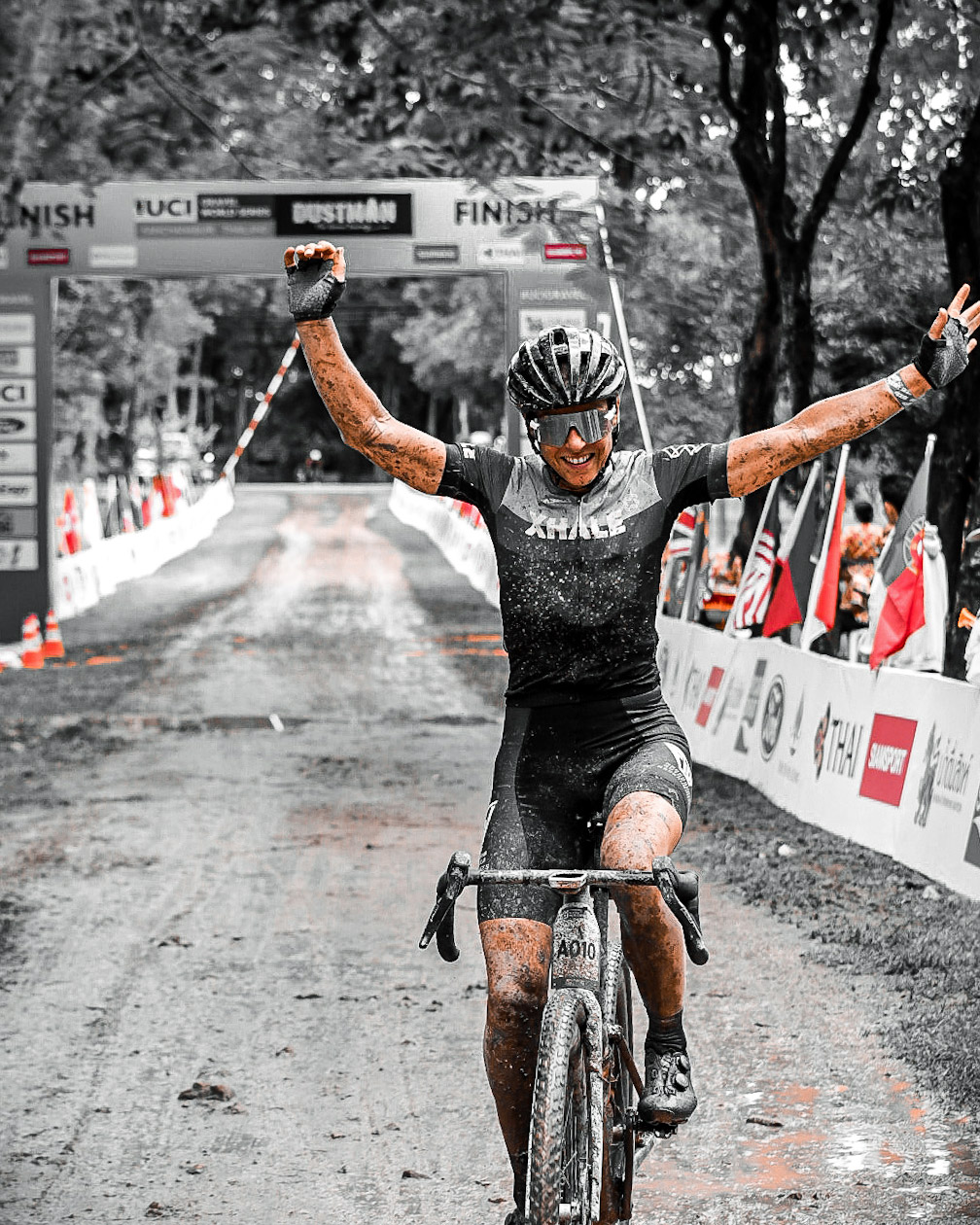
Winning the first-ever UCI Gravel Race in Thailand felt special, but not because of the result. I felt I was honouring the struggle of the Death Railway POW through my own minor struggles that day. Thailand was an amazing experience, for the adventure, the people and the reminder that racing gravel is about so much more than fast champagne gravel. It’s also about the stories that unfold when you’re knee-deep in mud, halfway across the world and smiling anyway.
Images courtesy of Mark Livesey, except where credited.
We would to thank Bike Zone Events and Thai Airways for generously inviting Caroline & Mark to come and take part in the Dustman Gravel event.
Thai Airways, the official event carrier, went beyond simply flying participants to Thailand — it made the journey part of the experience. With exclusive fares and extra baggage allowance, it eased one of the biggest travel challenges for cyclists - bringing their bikes. This thoughtful support allowed every rider to arrive ready, relaxed and race-day focused.