Signing up for a bikepacking event which has a super tough reputation when you have no first-hand experience of it is one thing, but Caroline Livesey had already taken part in the Transcordilleras and knew exactly what she was letting herself in for! What is it about this mythical race that makes it so compelling? Read on to find out….
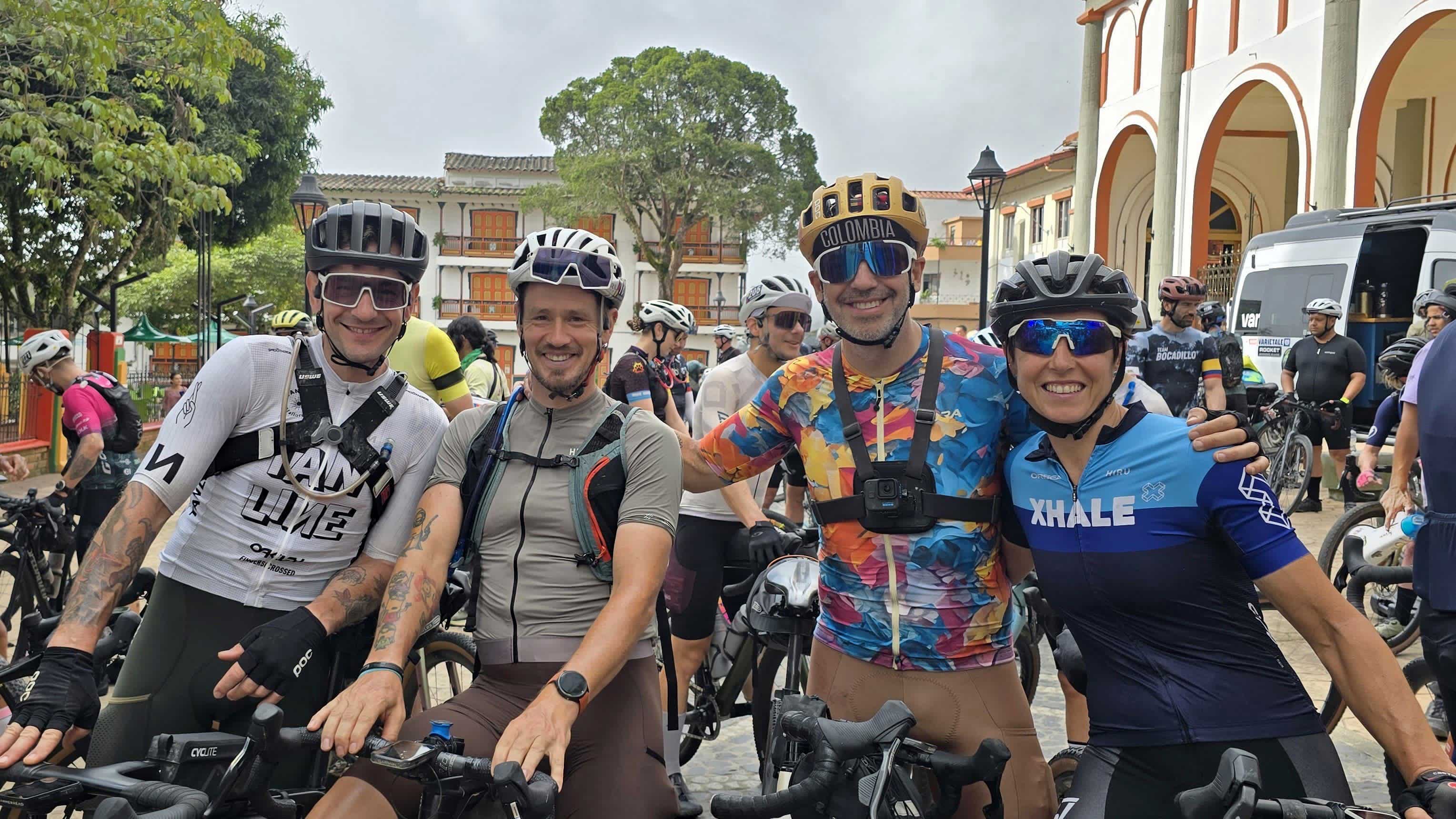
Image courtesy of @Caroline Livesey
It is telling that ahead of my second go at Transcordilleras, one of the things I was most looking forward to was catching up with friends at the race. In 2025, upwards of 40% of the riders were repeat offenders – returning to this race despite its extreme nature. That is a high recommendation indeed for a race which tests each rider to their absolute limit, day after day, for over a week. In fact, in the post event survey, 100% of riders answered that they would recommend the race to a friend, although I am sure they have to pick those friends carefully!
45 hours of riding (for me) over eight days, each day a stage race, cannot be underestimated. 860km and 19,000m of elevation, where those numbers feel like double that thanks to the altitude, heat and difficult terrain of Colombia. While accommodation is in hotels each night, the riders are unsupported and need to carry everything on the bike that they need for the week. There must be something special about the race for people to want to go back?!
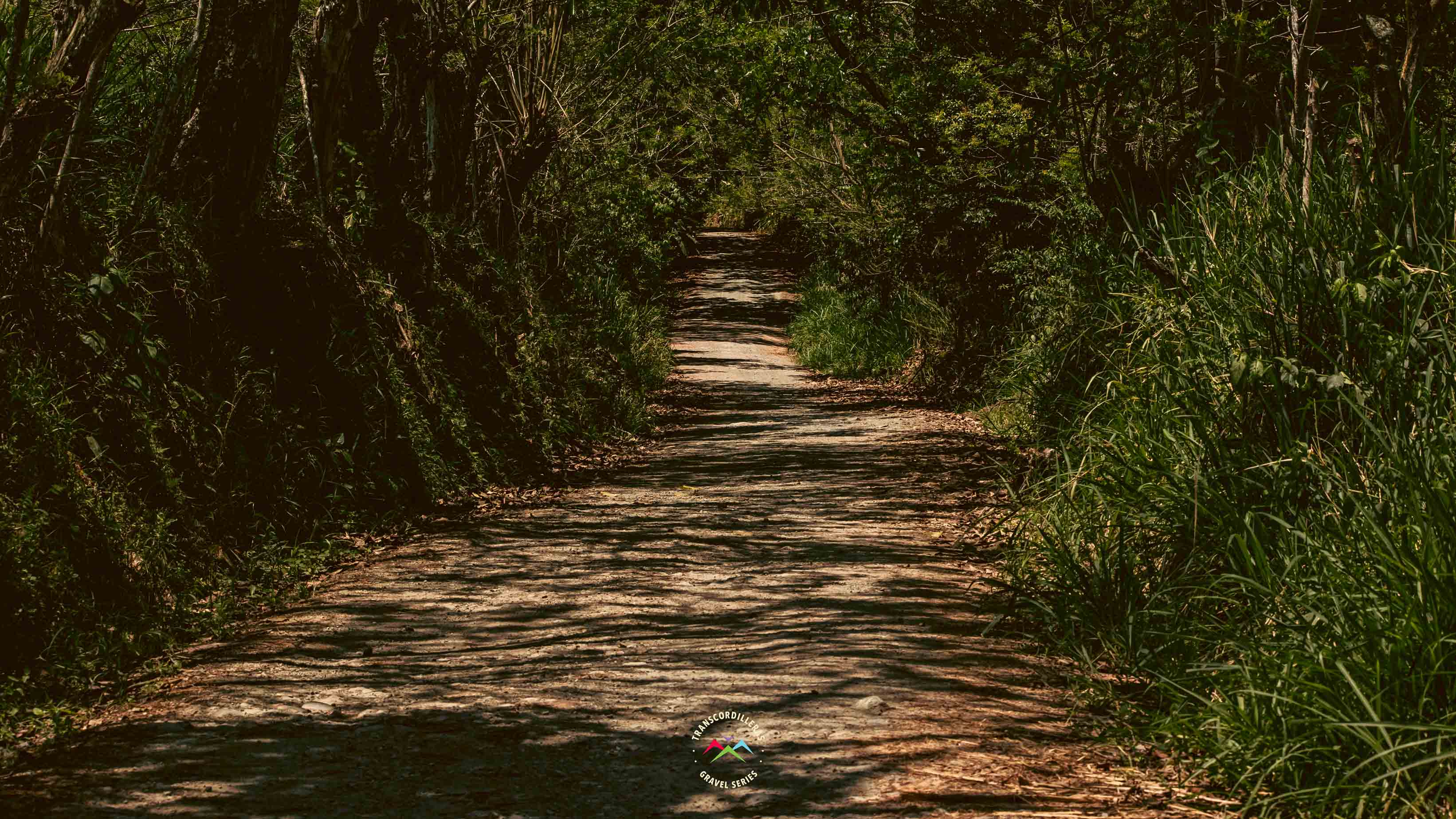
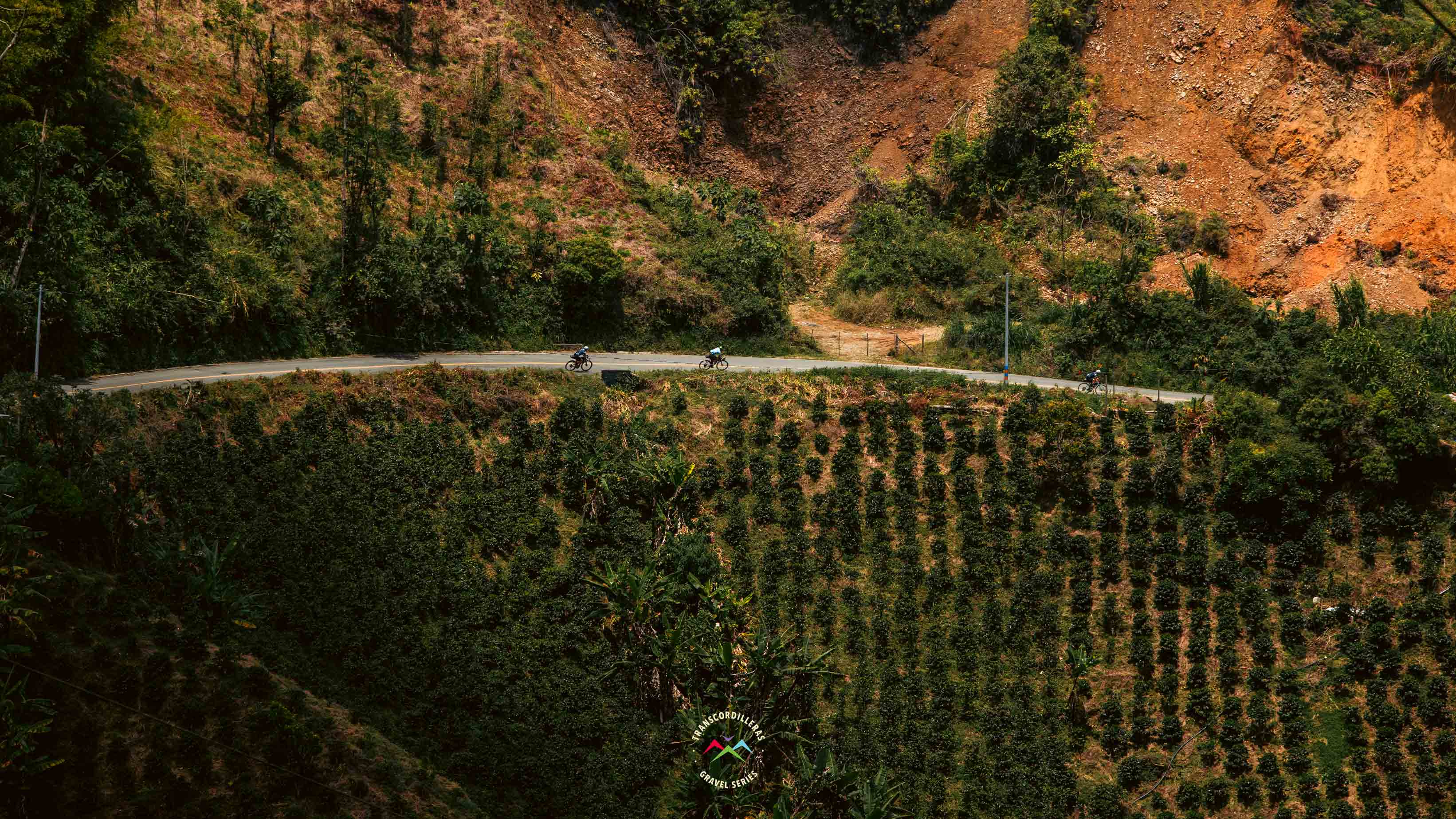
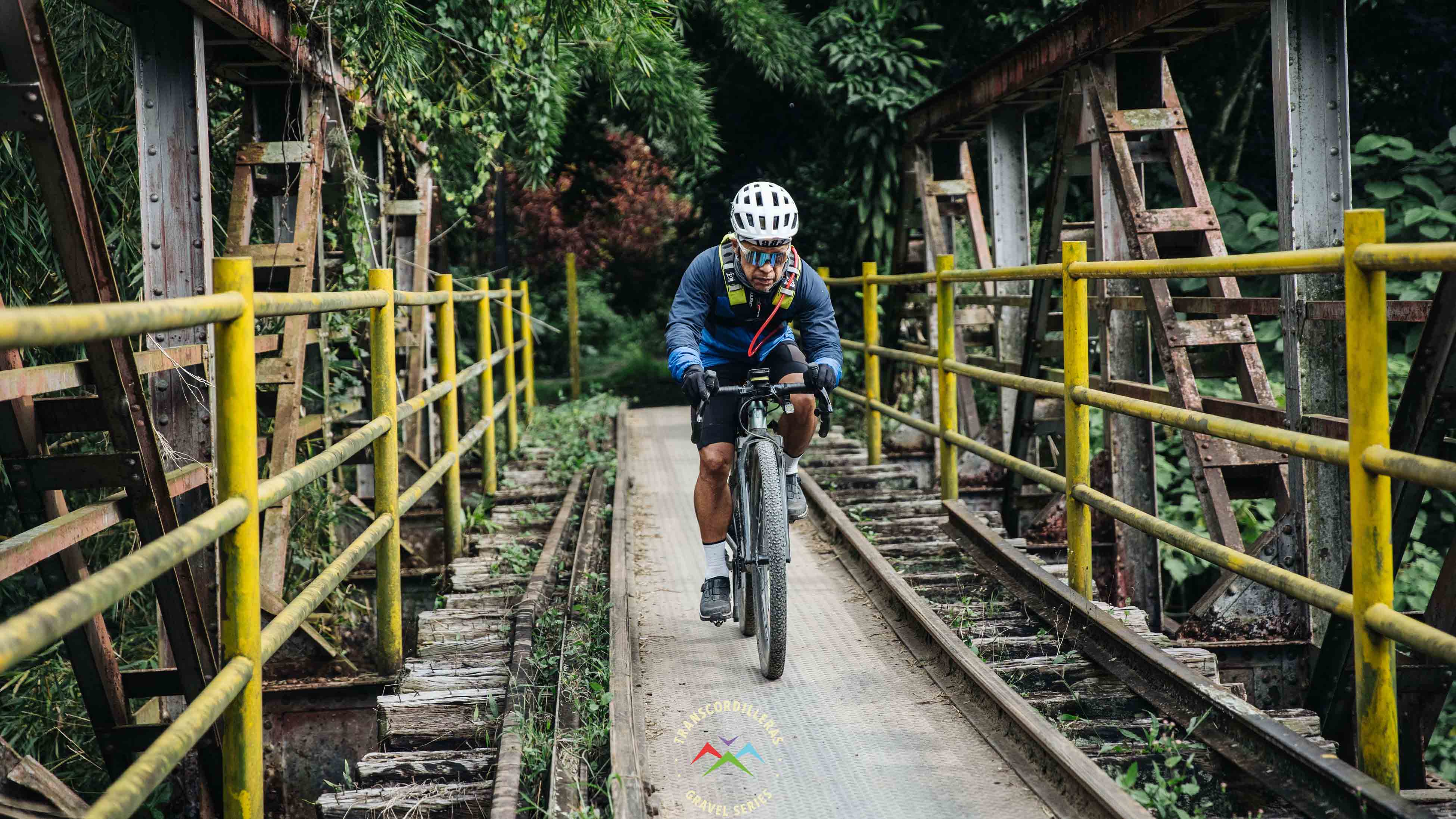
Image courtesy of @Lavuletaesasi
One of the main factors has to be the annual route change. If you were going back and you knew you would be riding the same route, it would be something altogether different. But this is not just a gravel race, this is an explorer’s dream. The race was born from the desire of four Colombian gravel enthusiasts to get out and explore the little know regions of the Colombian Andes by bike. It began in around 2017 with long bikepacking trips which onlookers begged to join. As the trip grew in popularity, the founders realised they had something special. Something which captured the imaginations of riders not only in Colombia, but globally.
Once it became an established event in 2019, Transcordilleras began to expand and take on a life of its own. But the race has stayed true to its roots of exploration through the three spines of the Andes in Colombia. The point-to-point route has a comprehensive re-write each year, including changing the start and finish towns and everything in between. In a country as massive as Colombia there are endless options, but it requires dedication and a lot of riding for the team to find new routes on an annual basis. This fact alone is enough for me to want to keep returning. It is so exciting discovering the new route and seeing which parts of Colombia the race will explore. Everyone hits that start line not really knowing what to expect, heading into the complete unknown save for what has been published on paper. And preparing for the unknown is something I love.
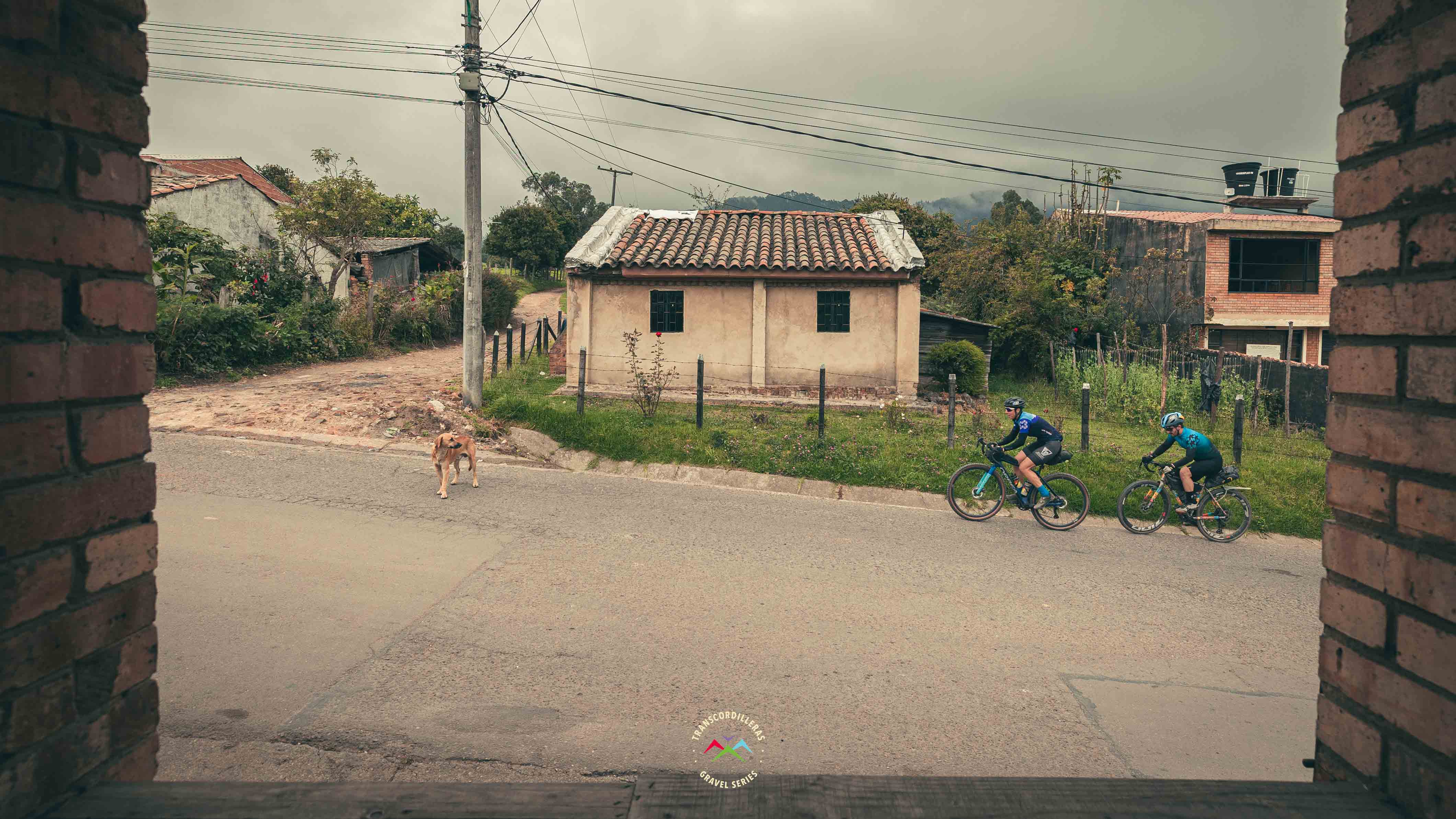
Image courtesy of @pipecano_photo
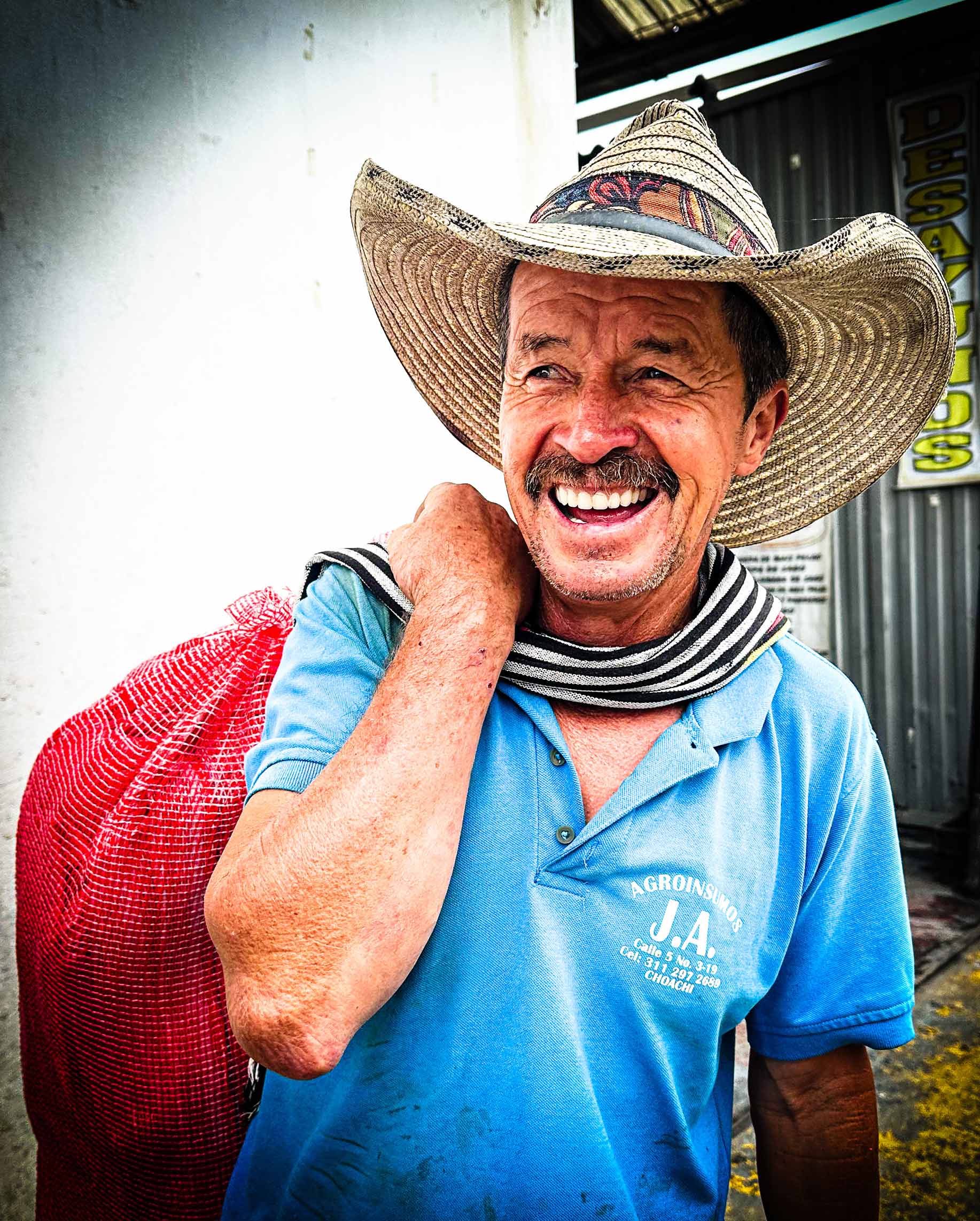
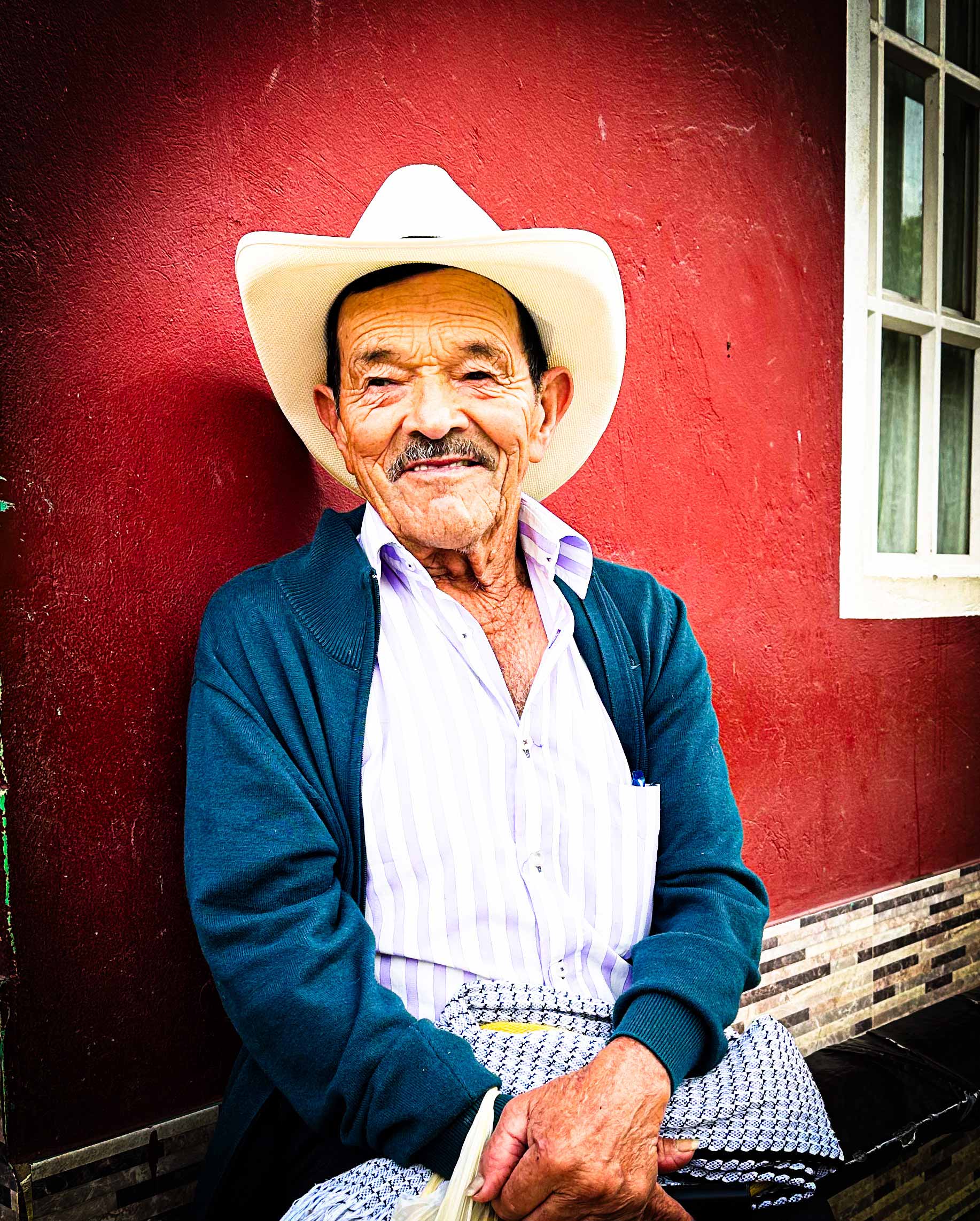
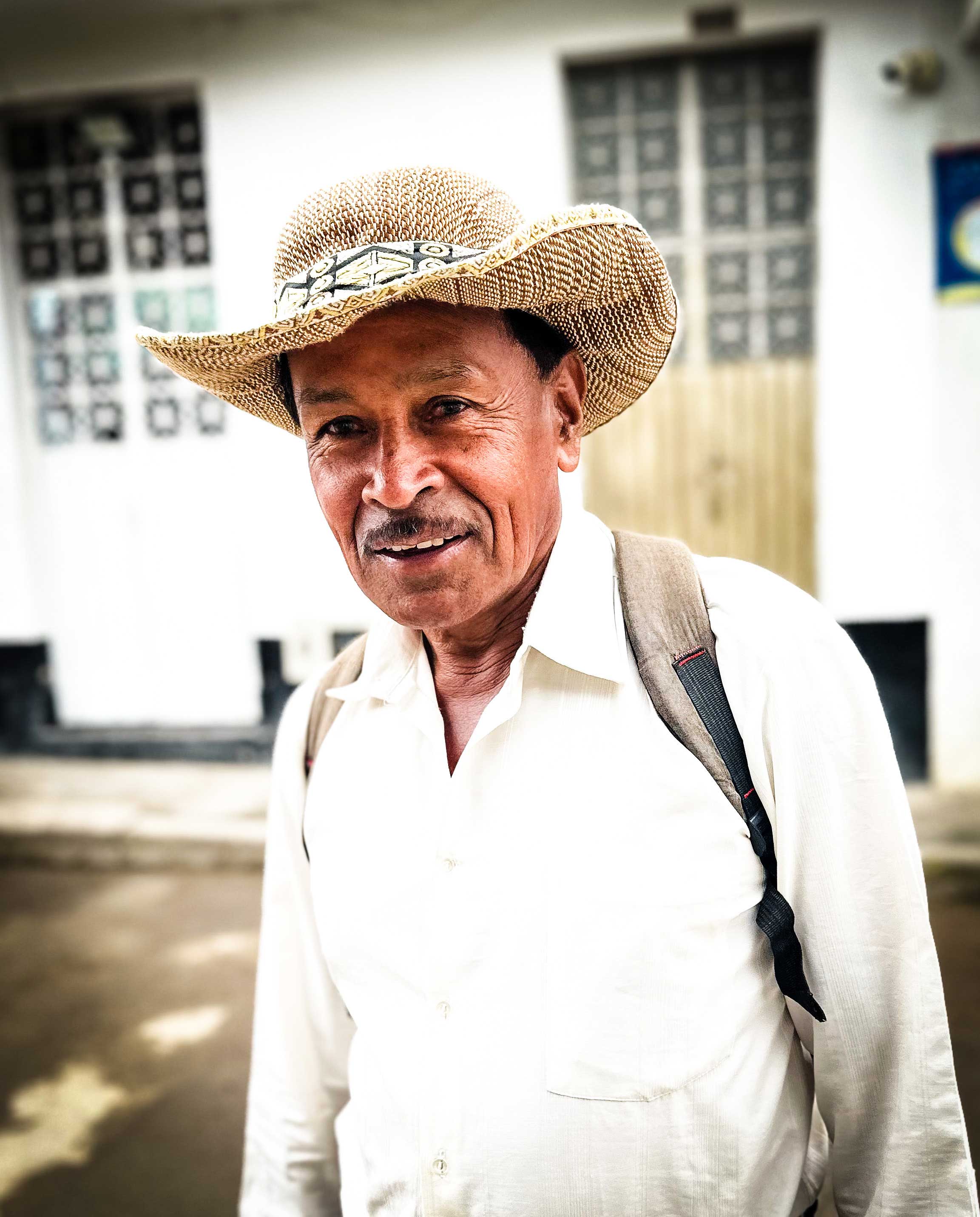
Just being thrown together with other crazy people at some small start town in Colombia with this immense task hanging over you means you form instant bonds. This year the race started in Choachi, geographically not far from Bogota, but a whole world apart. A small but vibrant town with a unique culture, the days before the race there were a lot of fun. The people who sign up for this sort of challenge are typically vibrant and tough. In my experience, these are also the two most common qualities in the Colombian people. And while the number of international riders is growing, most riders are Colombian. Without fail, all are proud of their country and are excited to show it off. This creates an atmosphere that is truly special and the deep friendships forged through the week become bonds for life.
In the eight days of racing everyone will have good days and bad days. Everyone faces the unexpected at some point, be it a mechanical, a crash, navigation error, altitude sickness, overheating, underhydrating or something else. No-one gets through unscathed. But when you are suffering, there is generally someone with you, either suffering alongside you or there to help you figure out a solution. After just one day, the group becomes like a big family moving together through this lush green landscape. Supporting and encouraging each other; suffering together.
Images courtesy of @Caroline Livesey
It is comical to me that when I tell people that I am off to ride my bike in the outback of Colombia, sometimes completely alone, often the response I get is a wide eyed “be safe”. Such is the reputation of Colombia formed in previous decades when drug cartels had a heavy influence. However, Colombian people are amongst the most friendly, altruistic people on the planet. The interactions I had on a daily basis with the locals both before the race, and throughout those eight days were always positive.
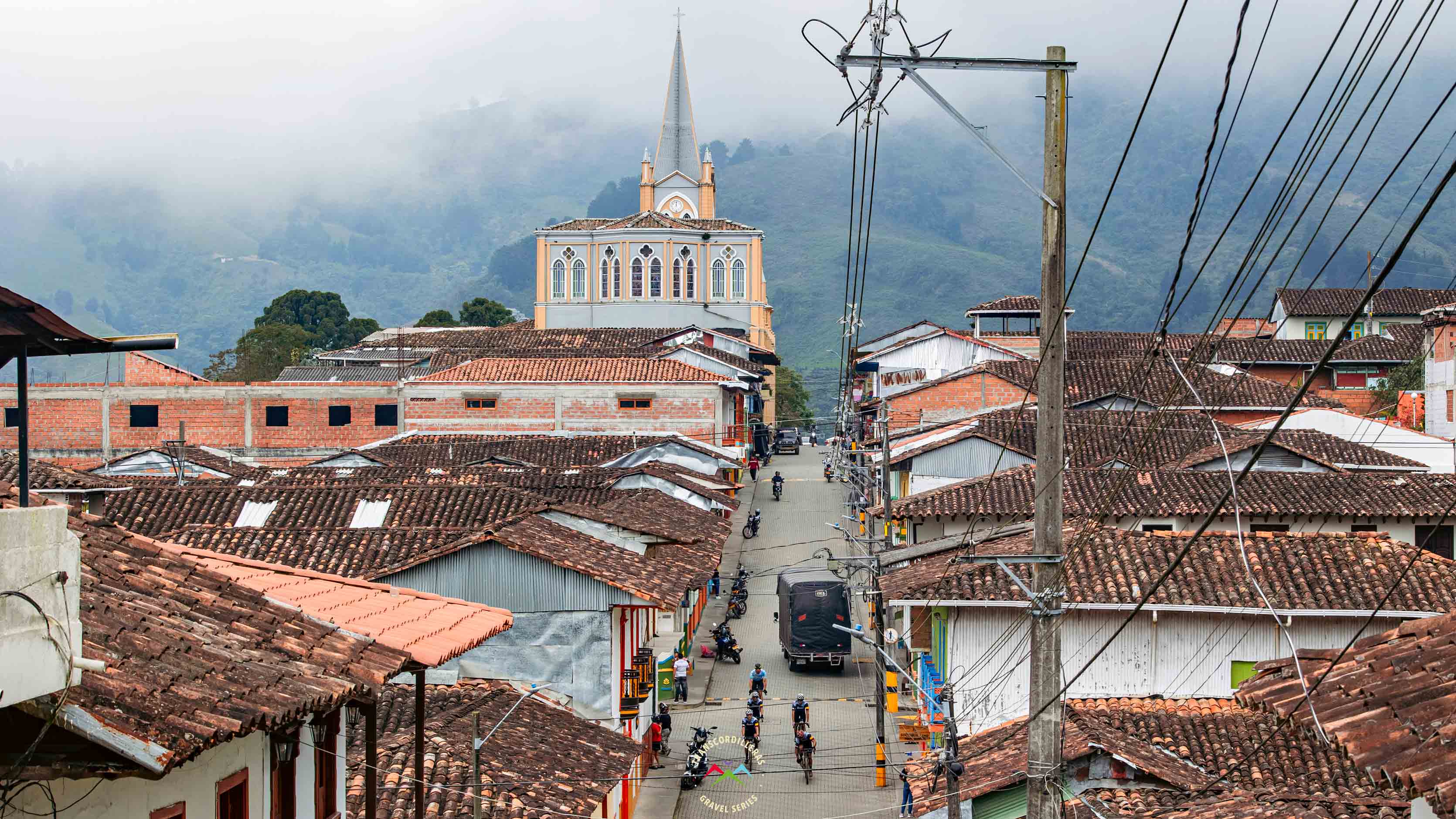
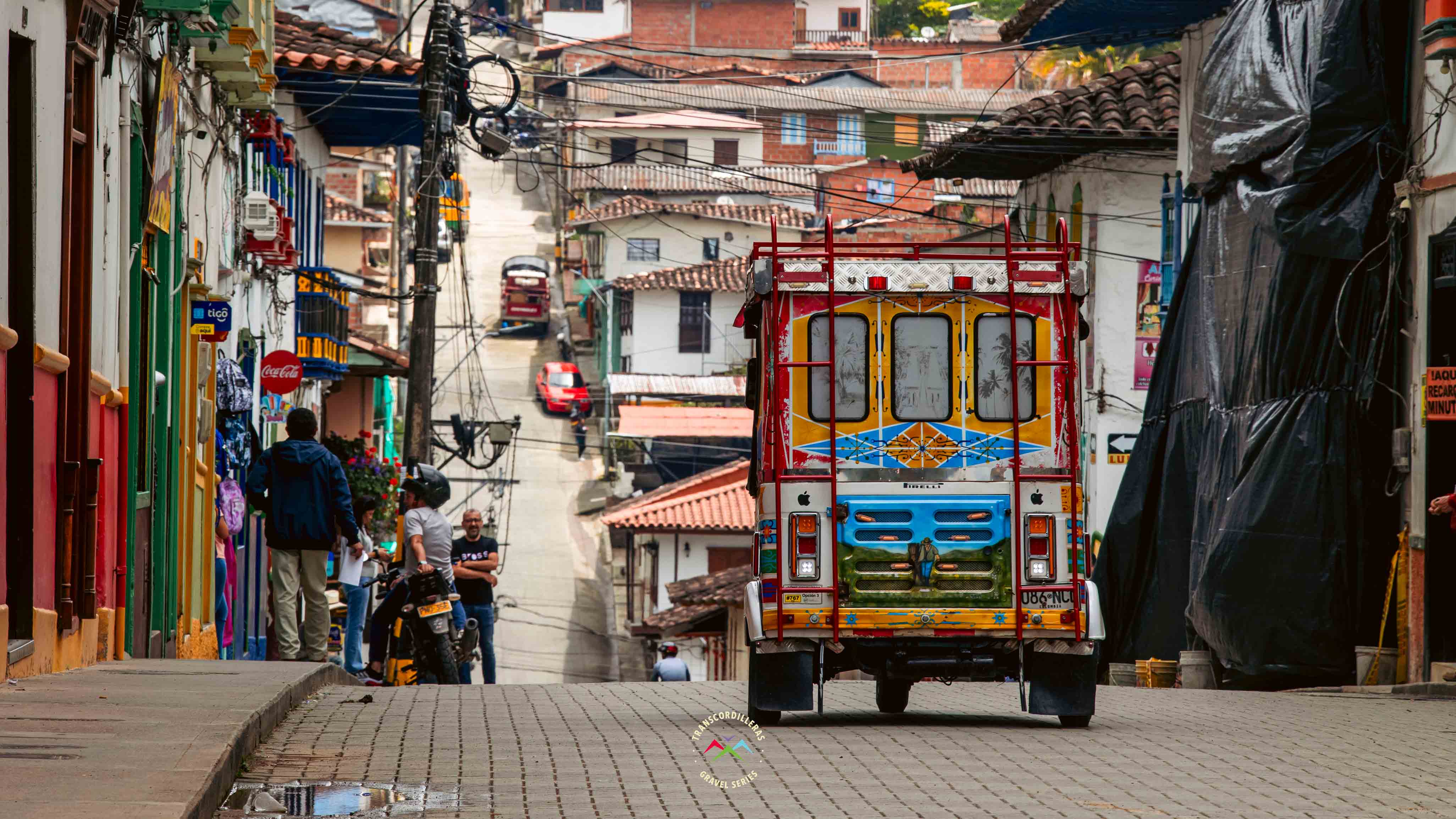
The race starts and finishes in different towns each day. Often perched atop remote mountains, or sometimes nestled in sweltering valleys, these towns characterise the race. Each day after finishing the stage in a new town, there are a million things to do. Cleaning your bike, washing your riding kit, charging all your devices, finding food/electrolytes to fuel the next stage, eating (as much as possible!), buying anything you need to keep you on the road and reviewing the stage details for the following day. What makes all this so fun is the friendly interactions that you have with the locals in each new town. In Colombia you never get the feeling that people are trying to take advantage of you. You never feel lost or unwelcome, even when you are in a new town and don’t know where to find things. People smile and do their very best to help you find what you need and always have time for a chat about what you are doing and to welcome you to their village. This year, some of the villages we stayed in really stood out for me; Anapoma, Tamesis, Honda. They were such fantastic experiences, each with their own vibe and culture, each displaying something different about Colombia. Wonderful restaurants, beautiful architecture, warm and interesting people. These connections are as much part of the experience of the race as each day on the bike.
“What makes these riders so tough is also what makes Colombia such an incredible place to ride.”
But of course, as a cyclist you sign up first and foremost for the days on the bike and the cycling in Colombia is what makes Transcordilleras truly exceptional. Cycling culture is grounded in the fact that the unique geography and climate there make it a natural playground for cyclists. High altitudes with warmer temperatures, challenging climbs and varied terrain make it the perfect place to build bike fitness. Starting as a popular mode of transport in the 20th Century, by the 1950s the culture had developed into competitive cycling. Now we are used to seeing Colombian athletes amongst the top Tour de France riders and cycling in general is embedded everywhere you look in Colombia. What makes these riders so tough is also what makes Colombia such an incredible place to ride.
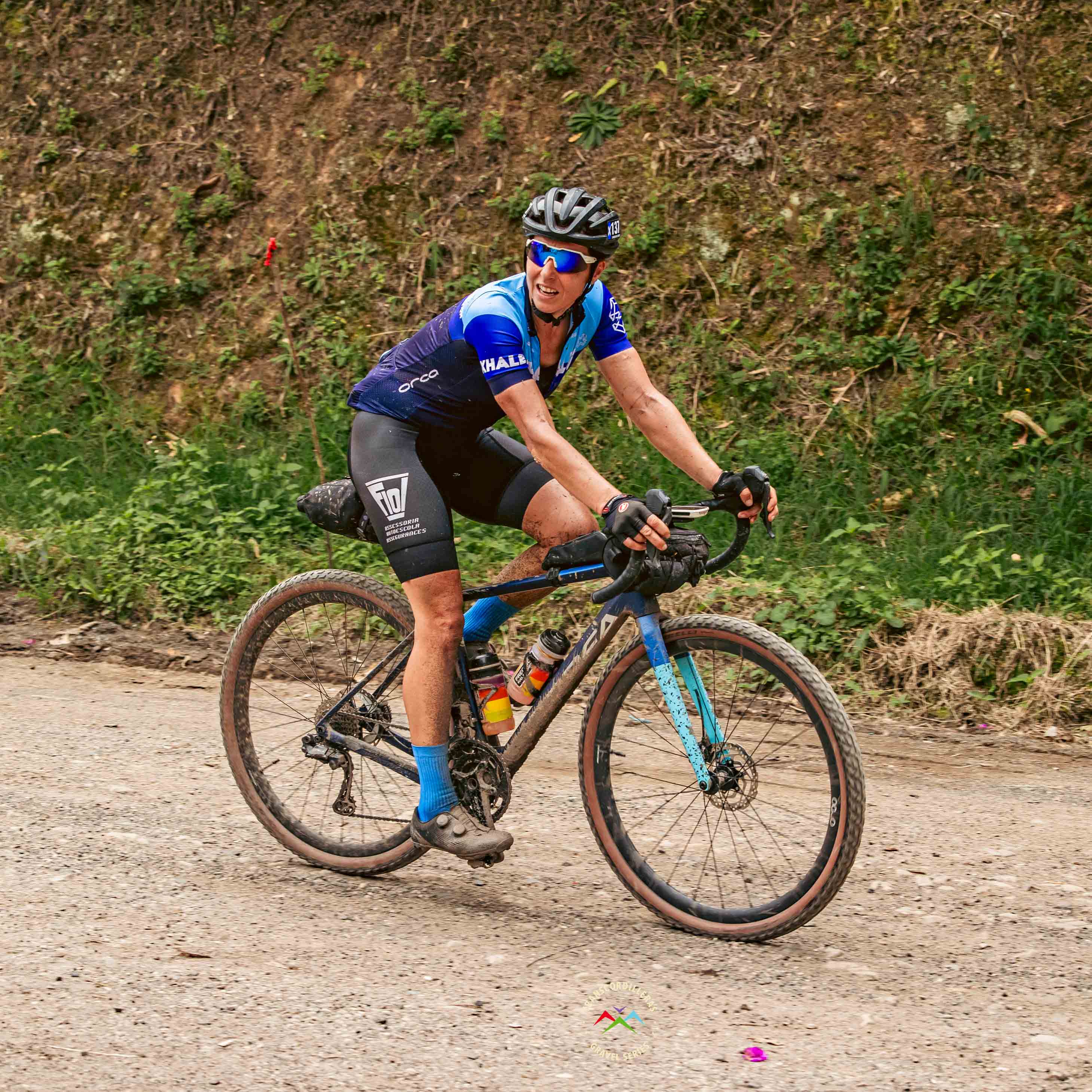
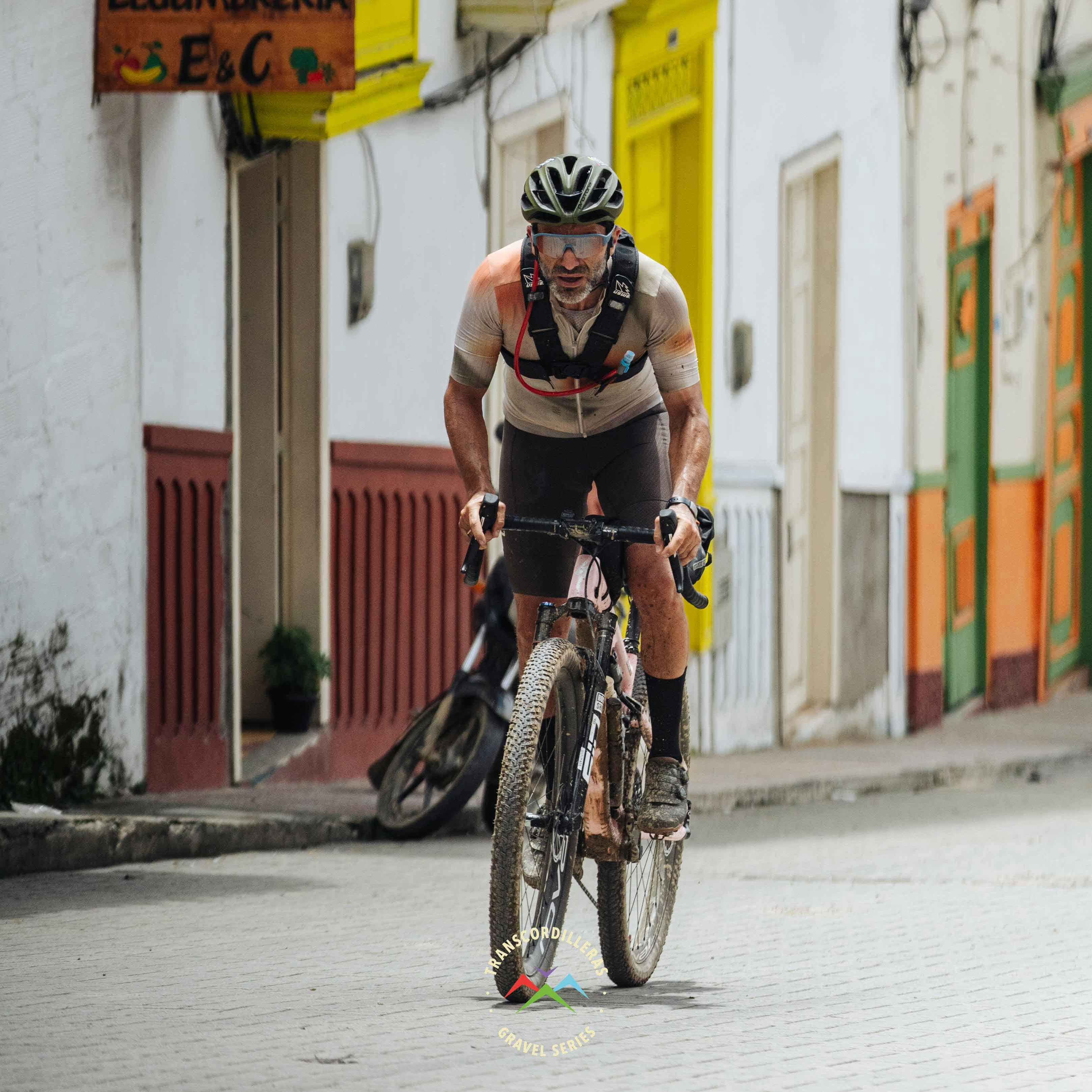
This year during Stage 1, we rode at an altitude of 3300m+ for more than 60km of this mammoth 130km stage. We were lucky enough to journey through the most remote and untouched national park, Chingaza. I found it hugely challenging, despite being reasonably well acclimatised to altitude prior to the race, suffering with altitude sickness in the latter part of the stage (although thankfully still being able to finish). But I could still appreciate the extraordinary beauty of the stage and the intense challenge of the riding.
Images courtesy of @pipecano_photo
Image courtesy of @Lavuletaesasi
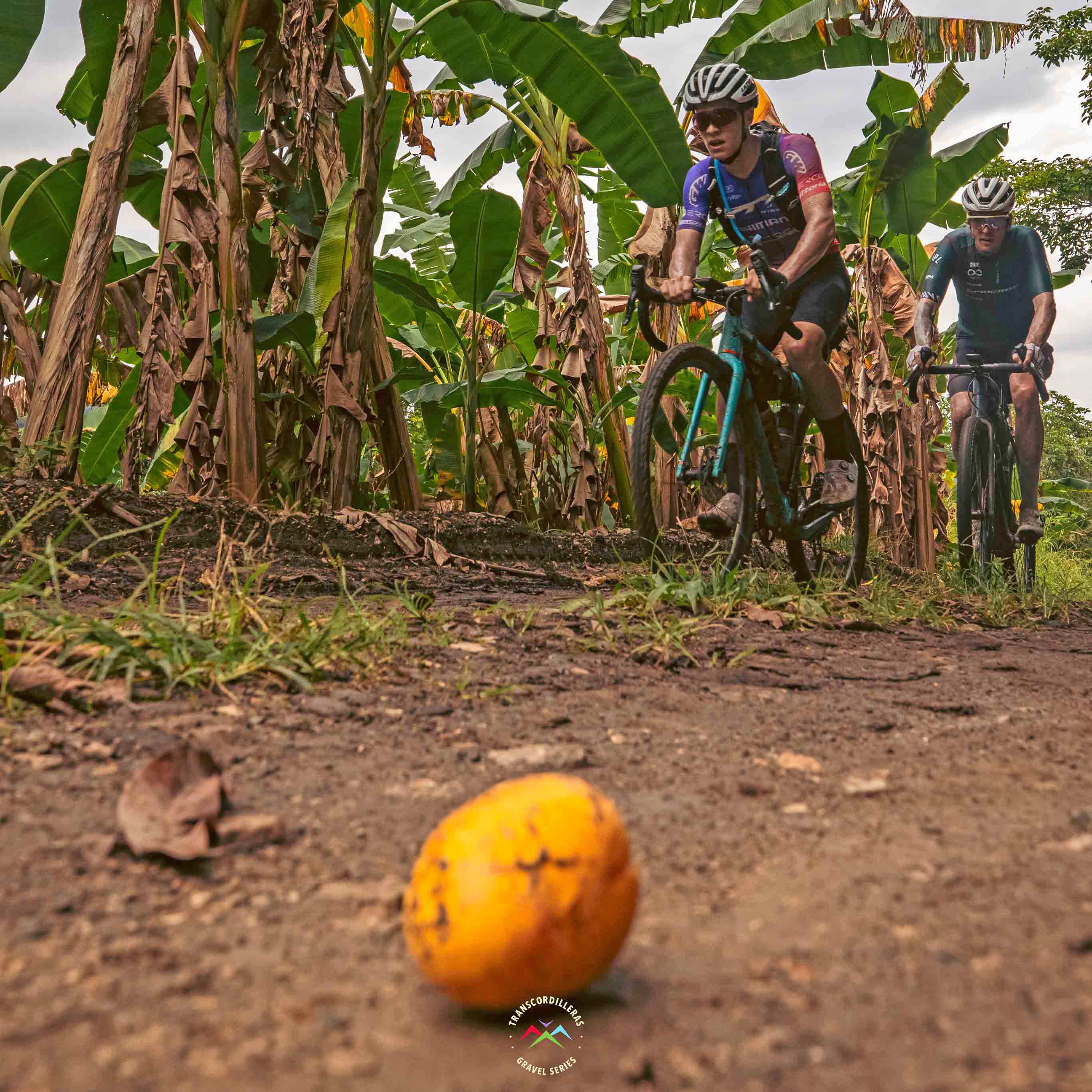
Other stages offered their own difficulties, with everything from rolling champagne gravel to endlessly rough climbs and long descents. Sweltering heat in the low river valleys between the mountain ranges spiced up some of the stages and this year riding to high altitudes over 4150m on El Sifon (Stage 5) created a unique test. Amongst all of this riding, at every corner you turn each day, you are constantly greeted by the most breathtaking views. Colombia is a stunning mix of dramatic peaks, cloud forests, lush agricultural valleys, high-altitude plateaus, forests of tall trees draped in moss and vines and deep ravines. Coffee plantations merge into banana and eucalyptus forests. It is as surprising as it is wonderous and riding a bike there is an absolute joy.
But you can’t just turn up to Transcordilleras on any old bike. Someone recently asked me for the one piece of advice I would give a rider going to the race for their first time. It’s this: Make sure you turn up with a bike that is as mechanically sound as possible. Buy new parts if necessary. Because this race will test every last component on your bike to its absolute limit and if anything is on its last legs, it will break on day one.
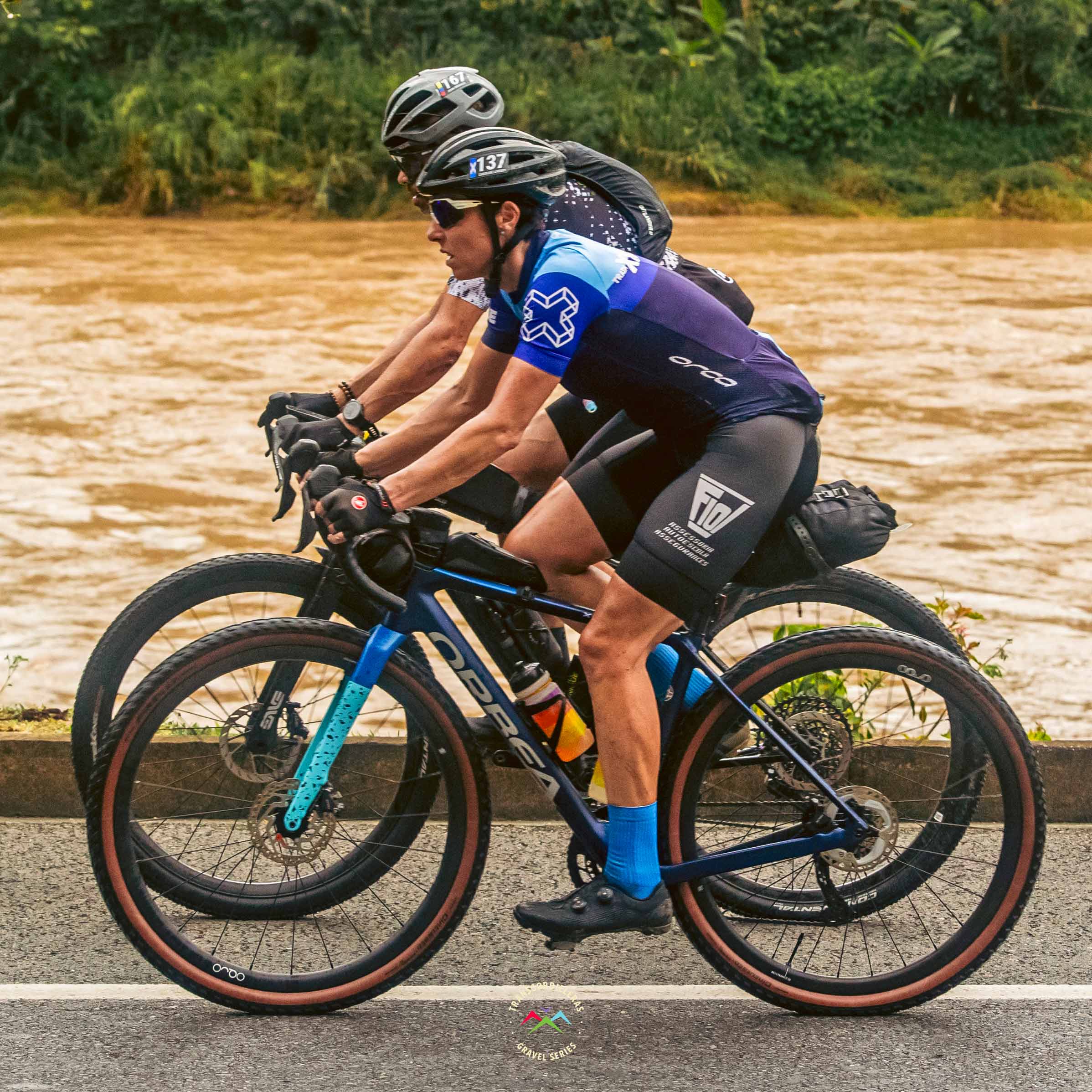
Image courtesy of @pipecano_photo
I can’t stress this enough, the terrain is really tough in places and the stages are long. I ride an Orbea Terra gravel bike and both times I have done the race the bike has been bombproof. This year I increased my tyre width to 50mm (Pirelli Cinturato Gravel M) which gave more compliance and the tread was perfect for the range of conditions encountered in Colombia (which is literally everything). Disk brakes are essential, and if you are riding Di2 (I do) make sure that you have a reasonably new battery. Wheel choice must be robust (I ride the OQUO RC25TEAM). Each year cracked rims are a feature of at least one riders’ race, so don’t make the mistake of thinking that a road wheel will get you through. Gear ratio is also vital; the more the merrier for that.
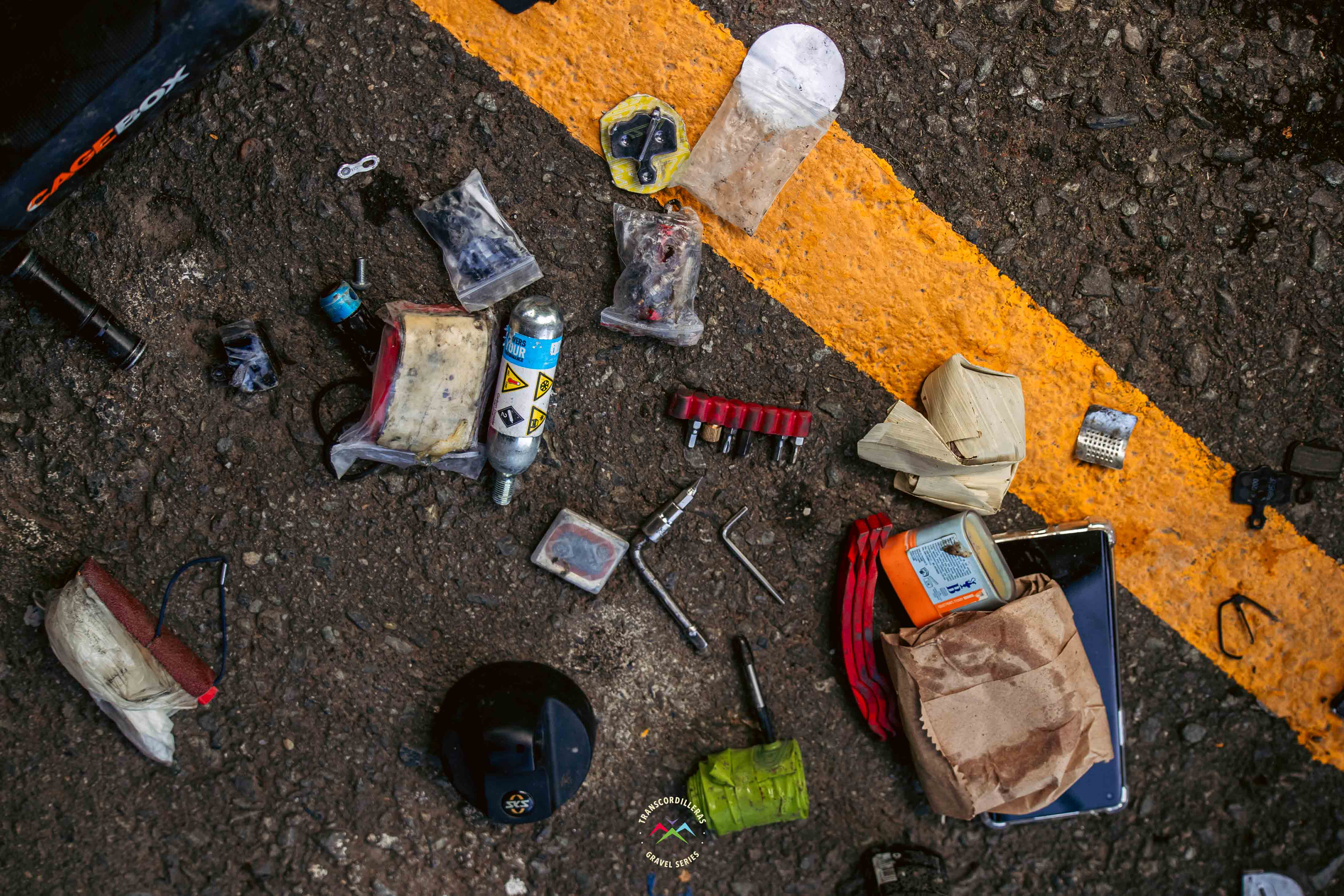
Image courtesy of @pipecano_photo
Just bear in mind that some of the short climbs will be swearing-out-loud-steep. I carried two sets of spare brake pads (and needed both), spare cleats (which I needed the first year), all the usual tubeless spares and a multitude of things like tie wraps, tape, pliers and Allan keys. These things all weigh a bit and of course you have to think about how much you want to carry. My advice is to prioritise the essentials for mechanical problems and then minimise all the other items. In Colombia you really don’t need much. The climate is predictable (dependent mainly on altitude) and each night you are in towns where you can buy most of the essentials you might need. Anything additional that you carry has to go up and down a lot of hills with you, so think carefully! I haven’t even started on the Colombian food…but let’s just say that local specialty hot chocolate with soft cheese in it is the best post-stage recovery drink/food.
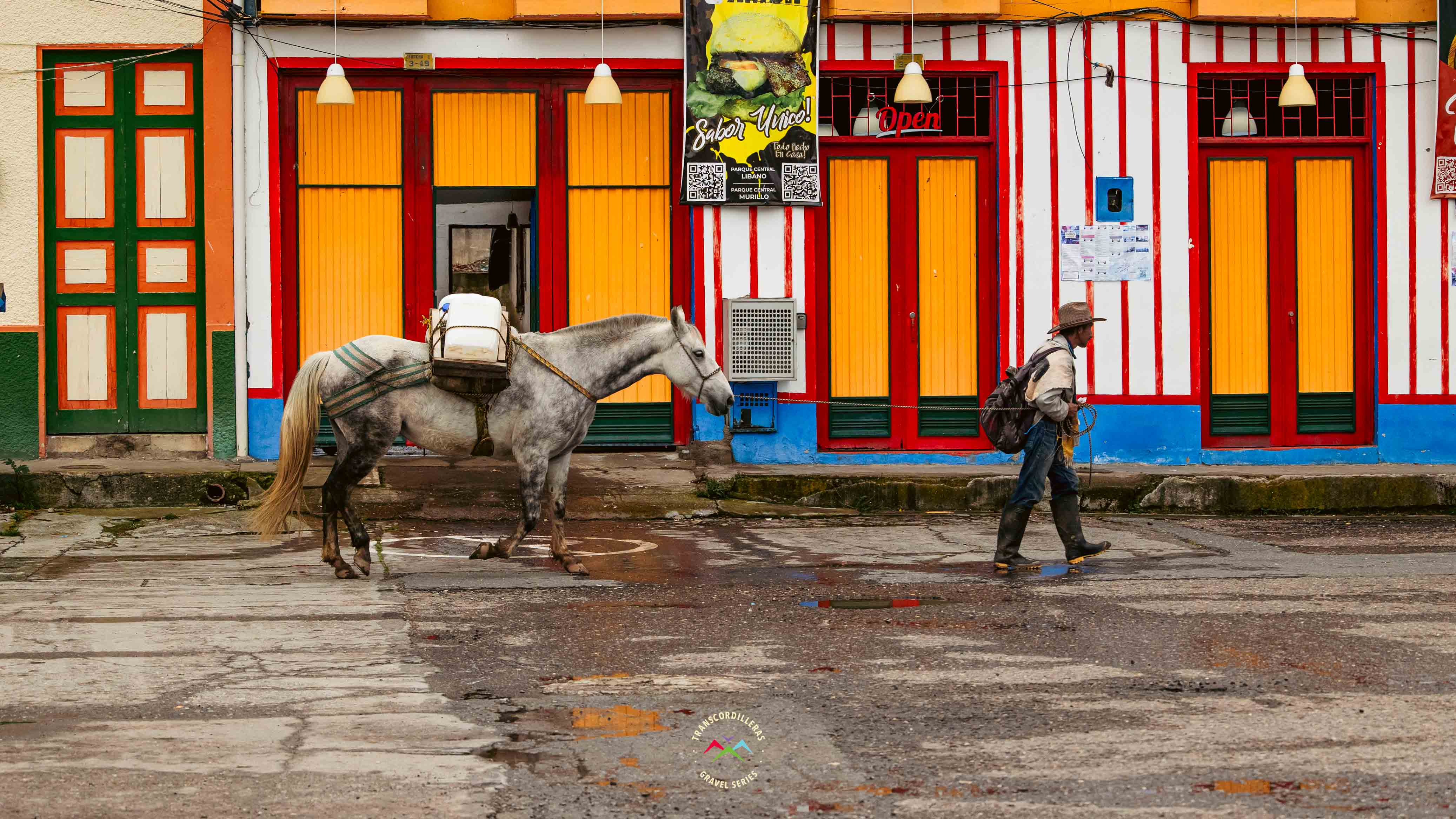
Image courtesy of @pipecano_photo
So, on that note, I am off to book my flights back there next year. I don’t think there is anything quite like this race anywhere else in the world and it really has to be experienced. You have enough warning, make plans and get yourself entered for the trip of a lifetime.