Every year, the gravel racing season seems to stretch a little longer, but with most race series now drawing to a close, the 2026 season is finally nearing its end. Jorge Padrones recently lined up for the final round of the 2026 Gravel Earth Series at The River, a challenging 160km race through the stunning scenery and demanding trails of Belgium’s Ardennes region. Although The River was a new addition to the calendar for 2026, organisers Klassmark appeared to have got the formula just right, delivering a memorable event in an incredible setting. Read on to find out how Jorge got on.
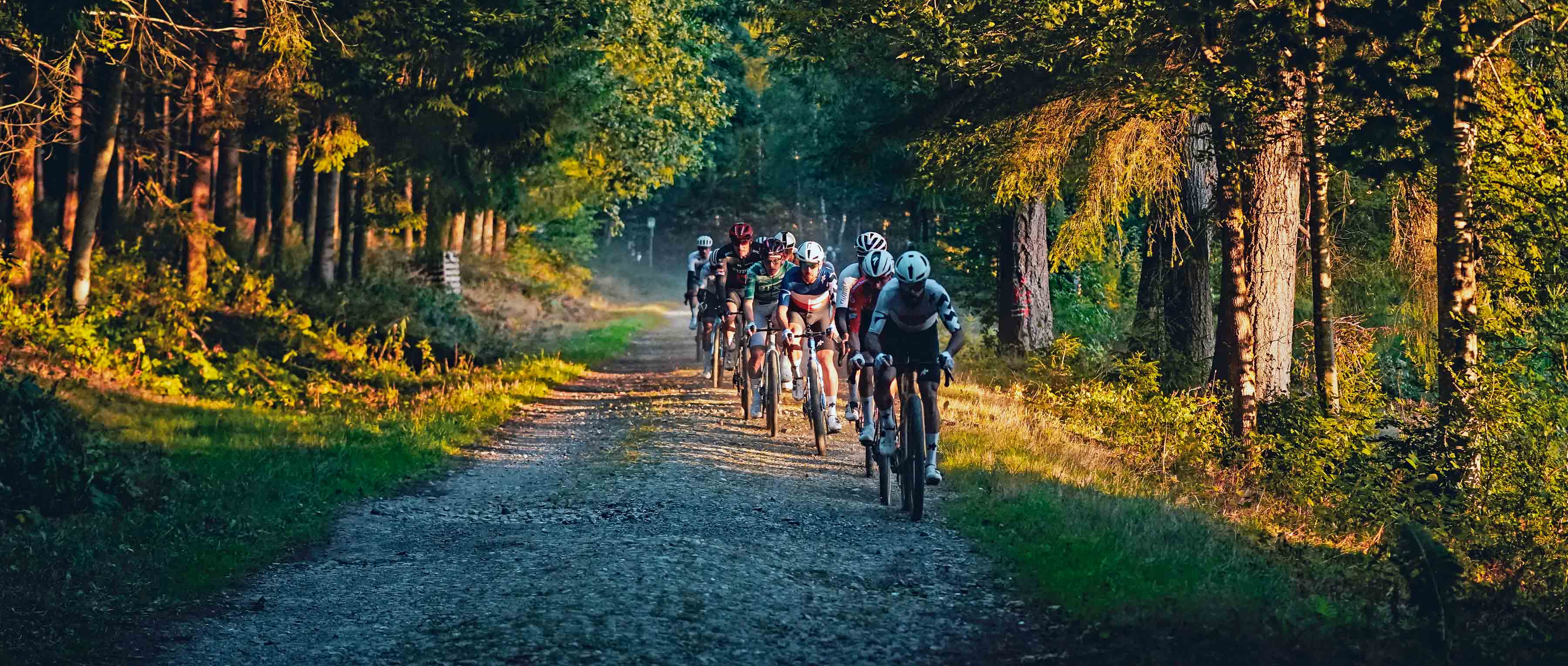
Imagine a never-ending forest. Imagine a fantastic surface for gravel. Imagine riding forest and riverside singletracks, broken tarmac and small roads, before starting and finishing your route in a historic village crowned by a medieval castle. Now you don’t need to imagine it. Thanks to The River by The Traka, we have all of this in one new event in the Ardennes, Belgium — an area with a strong cycling heritage, already well known for its toughness and climbs.
The River is the new kid on the block in the gravel racing scene. It may be a new event, but it has the Klassmark stamp behind it and is also part of one of the most prestigious gravel circuits, Gravel Earth. In fact, this year The River hosted the Gravel Earth final, the race that decides the overall winners in each category.
Honestly, if you had asked me before racing The River whether Belgium could be the perfect country for gravel, I would have had my doubts. Belgium obviously has some great gravel courses, but many tend to feel quite similar to road races — take the 2025 World Gravel Championships course, for example. The Ardennes are different. Longer climbs, fantastic gravel roads and some singletracks, not particularly technical but just enough to add some spice to the course.
The race started in Bouillon, a medieval town sitting in a U-shaped bend of the River Semois, with spectacular views of its beautifully preserved medieval castle, which definitely deserves a visit. As you can probably guess from the name of the race, the River Semois is the central element of The River. The main race area is located right next to it, in a beautiful riverside park.
Race day started with dense fog and cold temperatures, around 6°C — pretty cold for some of us coming from Spain, where temperatures like these are usually reserved for winter. The start itself was quite dramatic. We began riding in the clouds and as we climbed the first ascent, we could see the clouds sitting below us, revealing a beautiful valley with the mist following the course of the river.
There were four different distances to choose from: 220, 160, 120 and 70 kilometres. The 160 km route was the official Gravel Earth distance and the one awarding points towards the series classification. It was also known as “The Queen Distance.” The route featured around 2,550 metres of elevation gain, spread mainly across nine different climbs. These were long climbs by Belgian standards, ranging from roughly three to five kilometres.
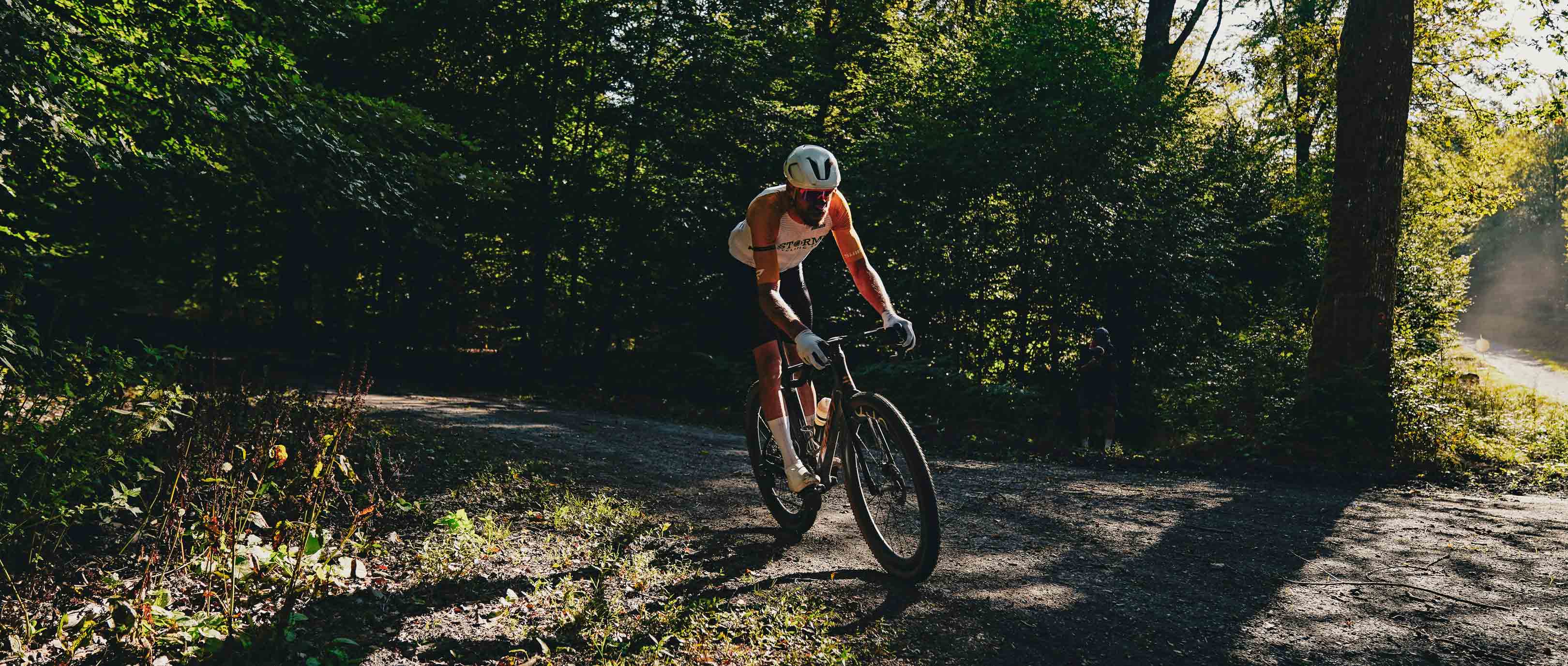
The course broadly followed the River Semois and its valley. Along the way, we crossed what felt like never-ending dense pine forests, with the morning light constantly playing with the shadows — a beautiful environment to ride through. The gravel surface was generally excellent, while other sections took us into much more jungle-like vegetation as we followed the river closely. In several places, there were beautiful and relatively easy singletracks running alongside the river or cutting through the middle of the forest, winding between the dense pine trees.
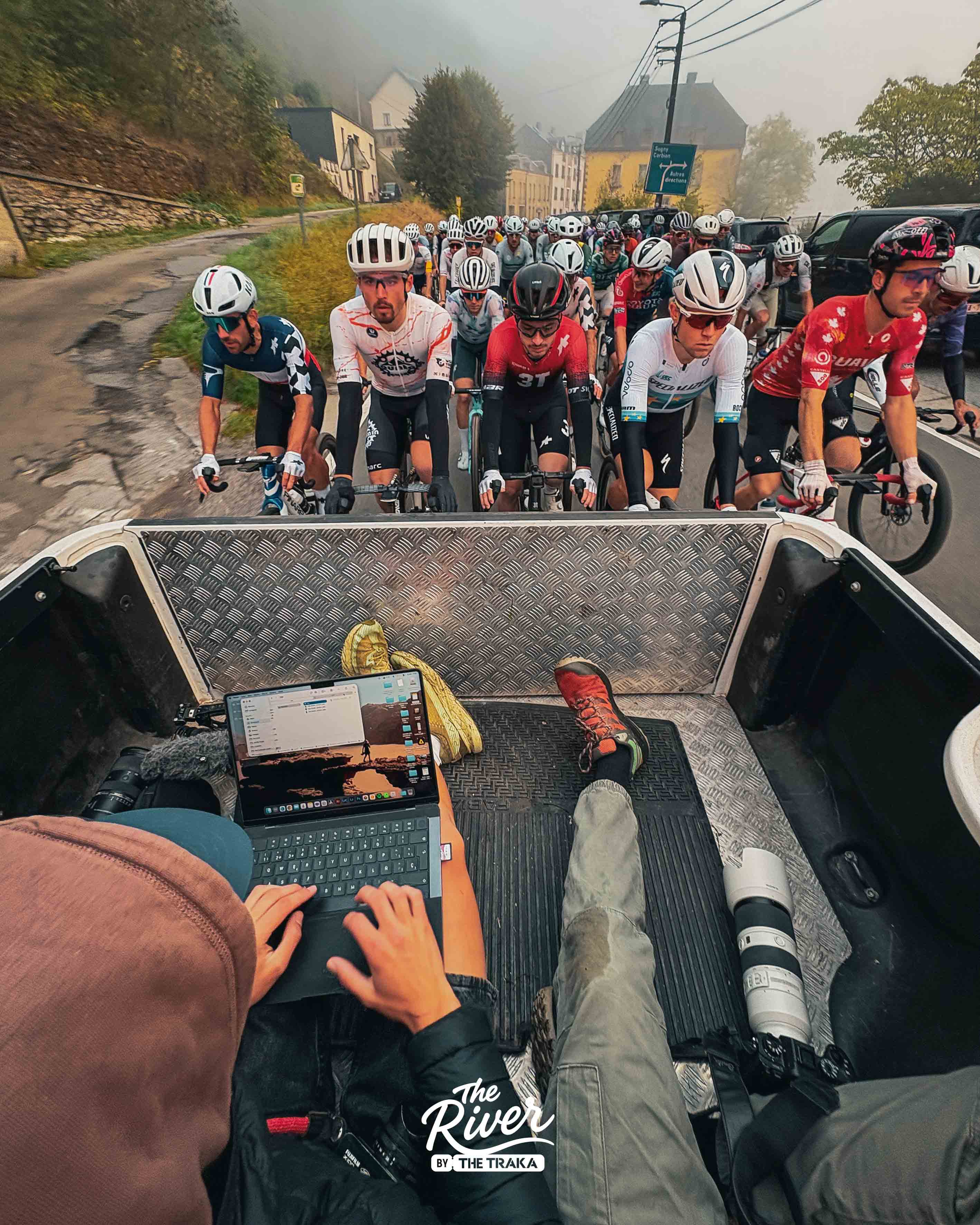
There were also sections of broken tarmac and small roads, which gave our arms a bit of a rest. Some of the descents were fast and, at times, quite rough, making for a very varied course that was consistently beautiful. There were three feed stations along the route. I saw pictures afterwards and they looked extremely well stocked, including bars and gels. I wouldn't know from personal experience, though — I didn't stop. I was chasing a podium spot in my category, so there was no time for stops!
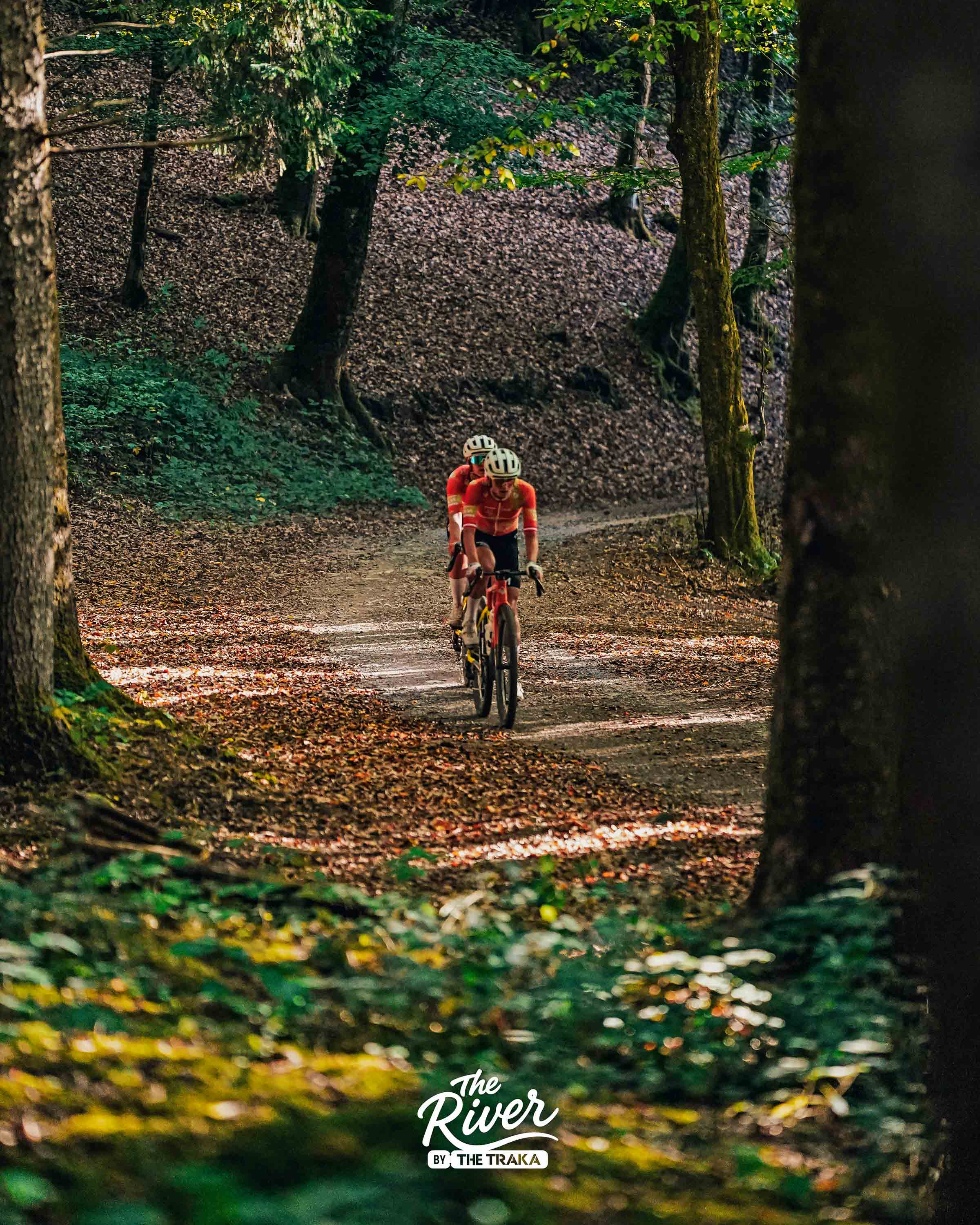
By the time we reached the final climbs, the fatigue was definitely setting in. We have to remember that 160 kilometres of gravel is a huge distance. The fastest riders took around five hours, while competitive amateurs were closer to six hours, although there was a generous 10-hour time limit. As mentioned earlier, this was also the Gravel Earth final. For a race like this, you need a demanding course — one where the terrain decides who is strongest, who manages the fatigue best and who can continue fighting when the legs are already suffering. The River was a clear example of that.
At the same time, we are starting to see how quickly gravel racing is evolving. Distances are gradually getting longer and something that would have been considered an ultra-distance race just three years ago is now becoming a fast gravel race. To be considered an ultra these days, you apparently need something that takes 36 hours without stopping! The average speed of the race winner was almost 35 km/h, despite around 2,500 metres of elevation gain, gravel terrain and singletracks. That means you need to be riding well over 40 km/h whenever the terrain allows it.
From a competitive perspective, there were effectively two competitions taking place within the same race: the race classification itself and the overall Gravel Earth series classification. Interestingly, both had the same winners.
Mads Würtz won the elite men’s race at The River, something we have become very used to seeing this year, as he has won almost everything he has entered. In the women's race, Gerike Schreutz also took both the race and the overall series classification with authority.
The finish line was back in the same riverside recreational area where we had started and by then the sun was shining. Hats off to the organisation, too. They had even brought in a mobile shower trailer, meaning we could enjoy an incredibly hot shower after six hours of gravel racing. After spending hours covered in dust and sweat, that felt like pure luxury. Recovery was helped by the food as well: typical Belgian sausages, roasted pork and frites. Exactly what you want after six hours on the bike.
One of the aspects we always highlight at these types of races is the atmosphere around the finish line, and The River delivered. Good food, coffee, sunshine and music created a great post-race atmosphere, with Sarah from Megamo even taking care of DJ duties while everyone enjoyed the sun.
The River has arrived on the top gravel-racing scene to stay. More than 1,000 riders signed up for this first edition, and I would bet that future editions will sell out. If you like fast, fun and beautiful gravel, The River should definitely be on your bucket list for the coming years.
Images courtesy of The River