Bikepacking bags are one of those product categories where the best designs almost disappear beneath you. You want them to be easy to fit, stable off-road, resistant to bad weather and capable of carrying enough kit without turning the bike into a swaying mess. Get them right and you stop thinking about them. Get them wrong and every rough descent, gate stop or hurried camp pack-up becomes a reminder. Bikepacking aficionado Valerio Stuart has been putting some of Apidura’s Expedition Series bikepacking bags through the wringer and sent in this detailed review.
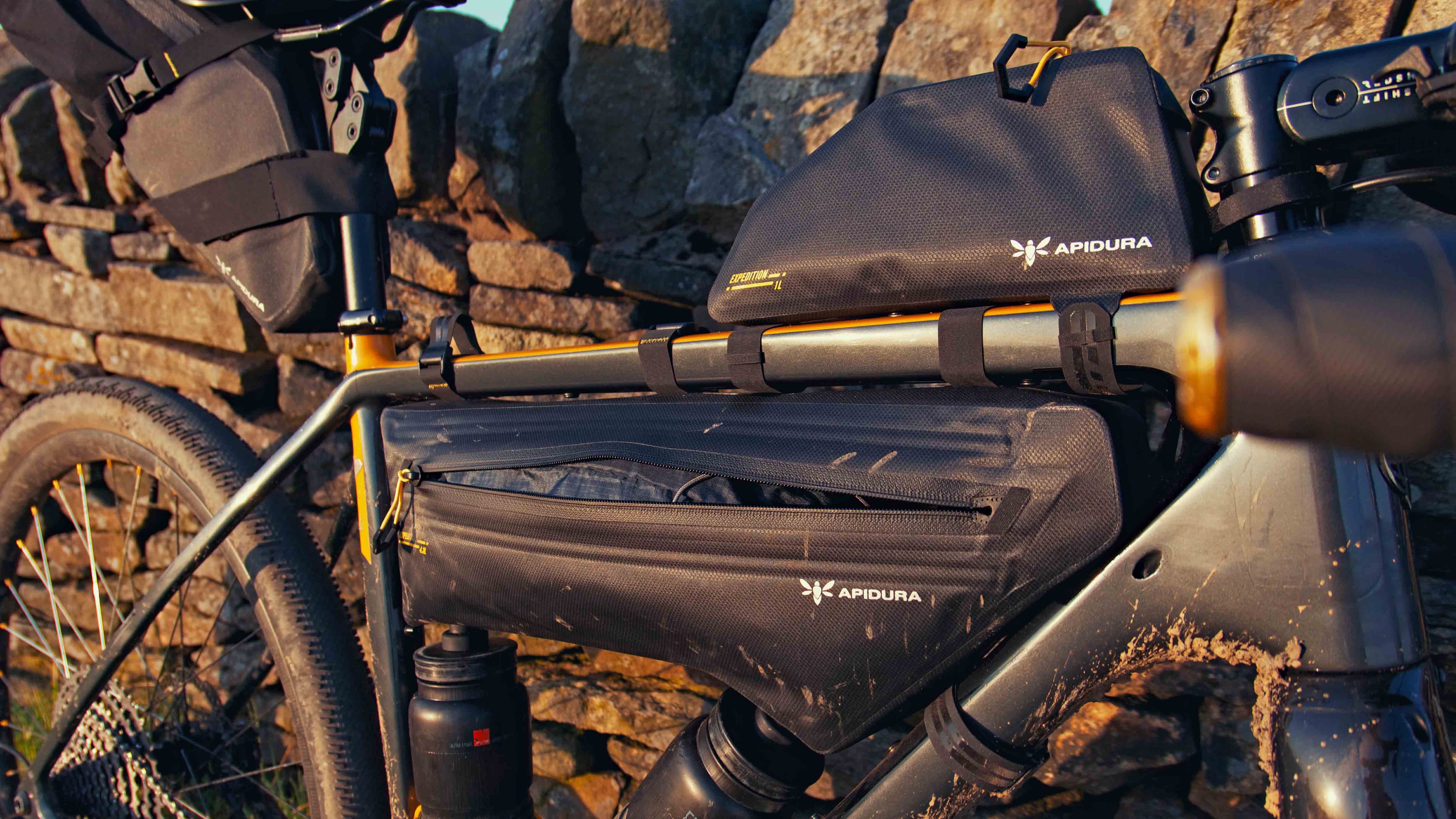
For this review, I’ve been using three bags from Apidura’s updated Expedition Series: the Expedition Saddle Pack 9L, the Expedition Frame Pack 4.3L and the Expedition Top Tube Pack 1L. They have been tested across multiple rides and a couple of local overnighters, taking in everything from tarmac lanes and smooth gravel to rougher Peak District tracks where loose straps, poor stability and awkward packing quickly make themselves known.
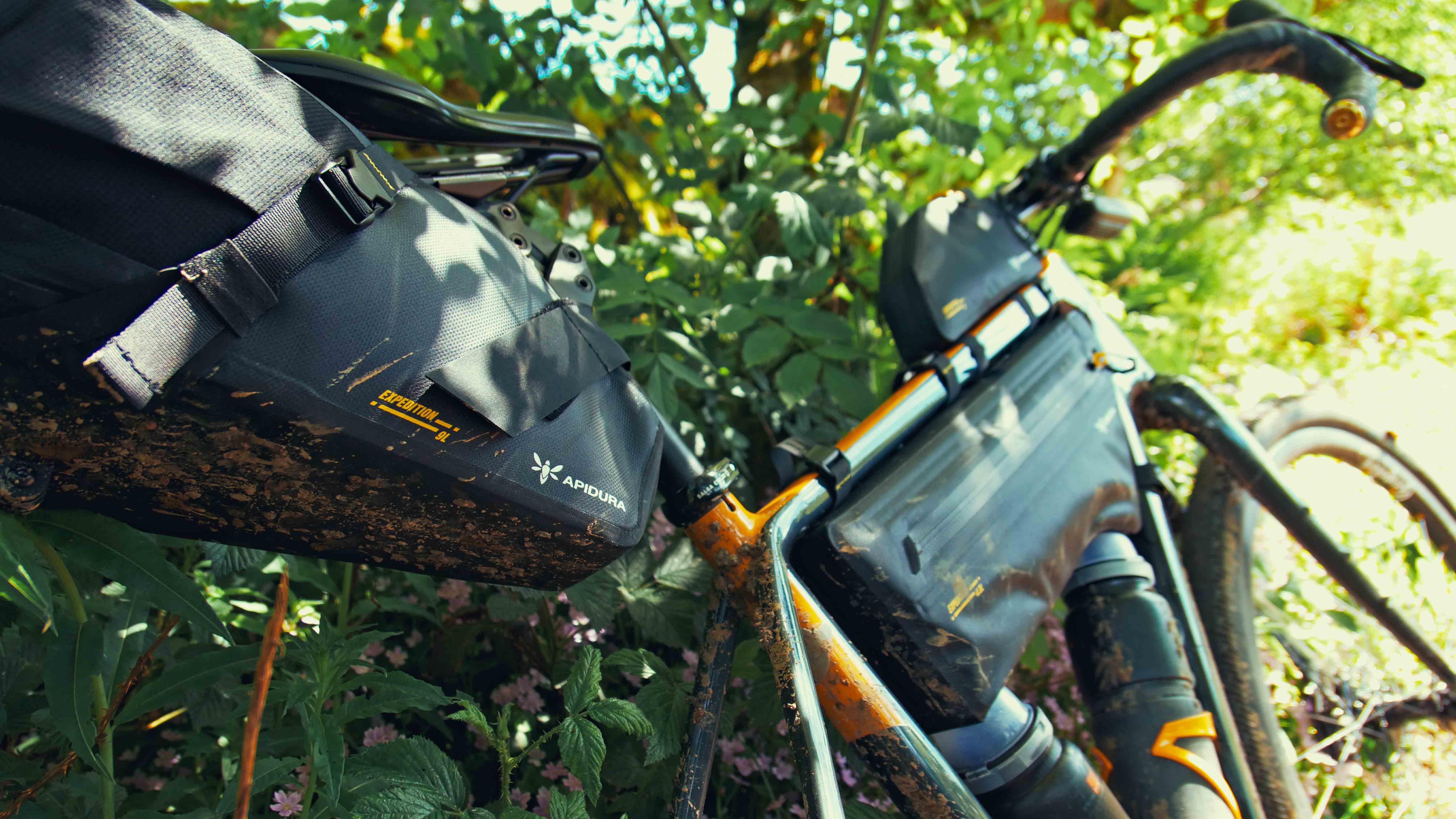
I have used Apidura kit before – I previously owned a full-frame bag from an older range that I eventually sold when I changed bikes. My experience with that bag was somewhat mixed, although Apidura’s customer service was always helpful and stood by the product when repairs were needed. Straight away, this latest Expedition range felt like a step on: more refined, more solid and more dependable.
Apidura says the new Expedition bags are not just an update, but a ‘full re-engineering of the range, with a focus on simplicity, durability and reducing unnecessary complexity’. That sounds promising, but bikepacking kit earns its reputation outside, loaded up, covered in mud and rattling down rocky descents. So, after a few loaded rides and local overnighters, how did the bags perform?
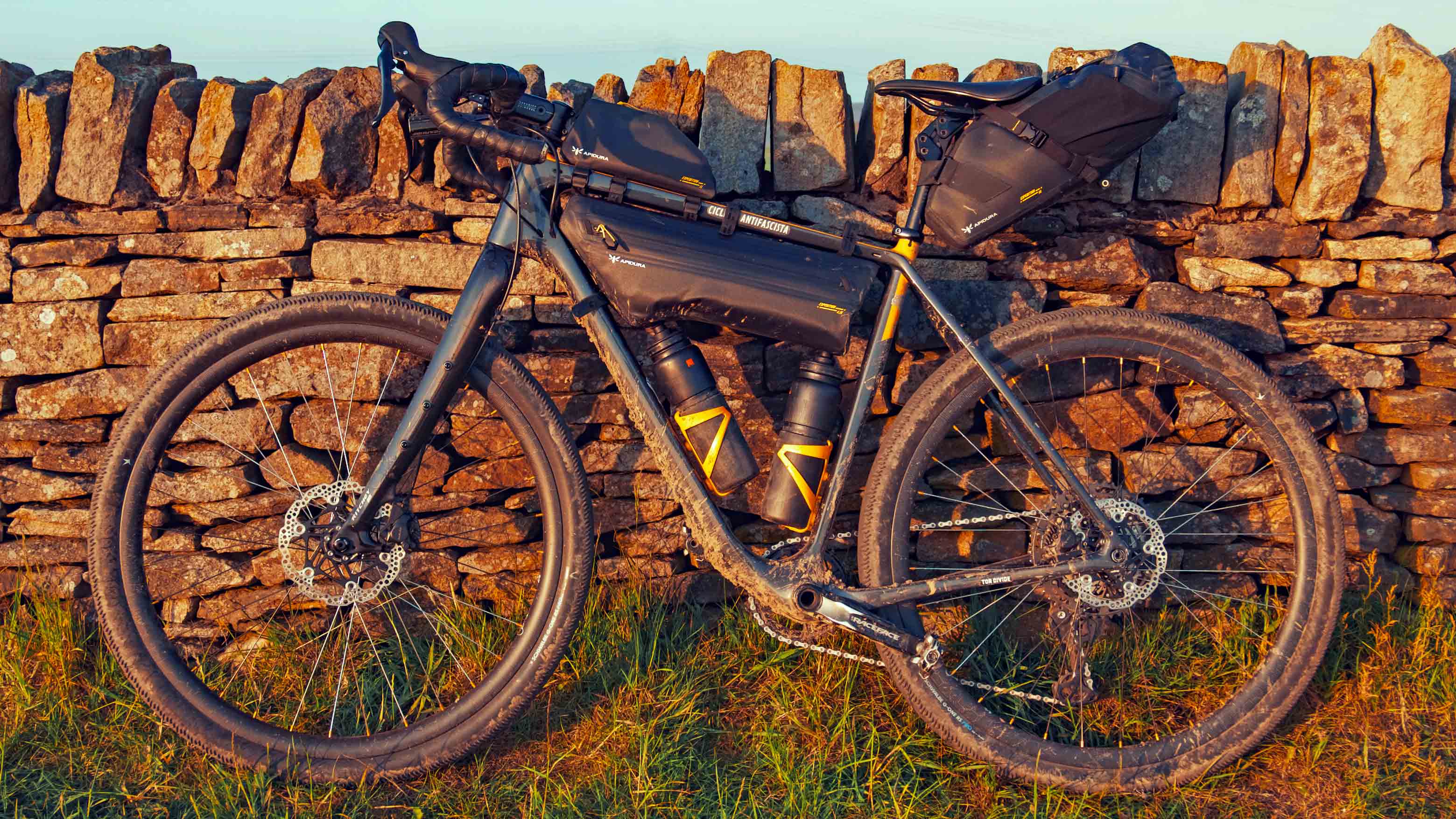
The bags on test
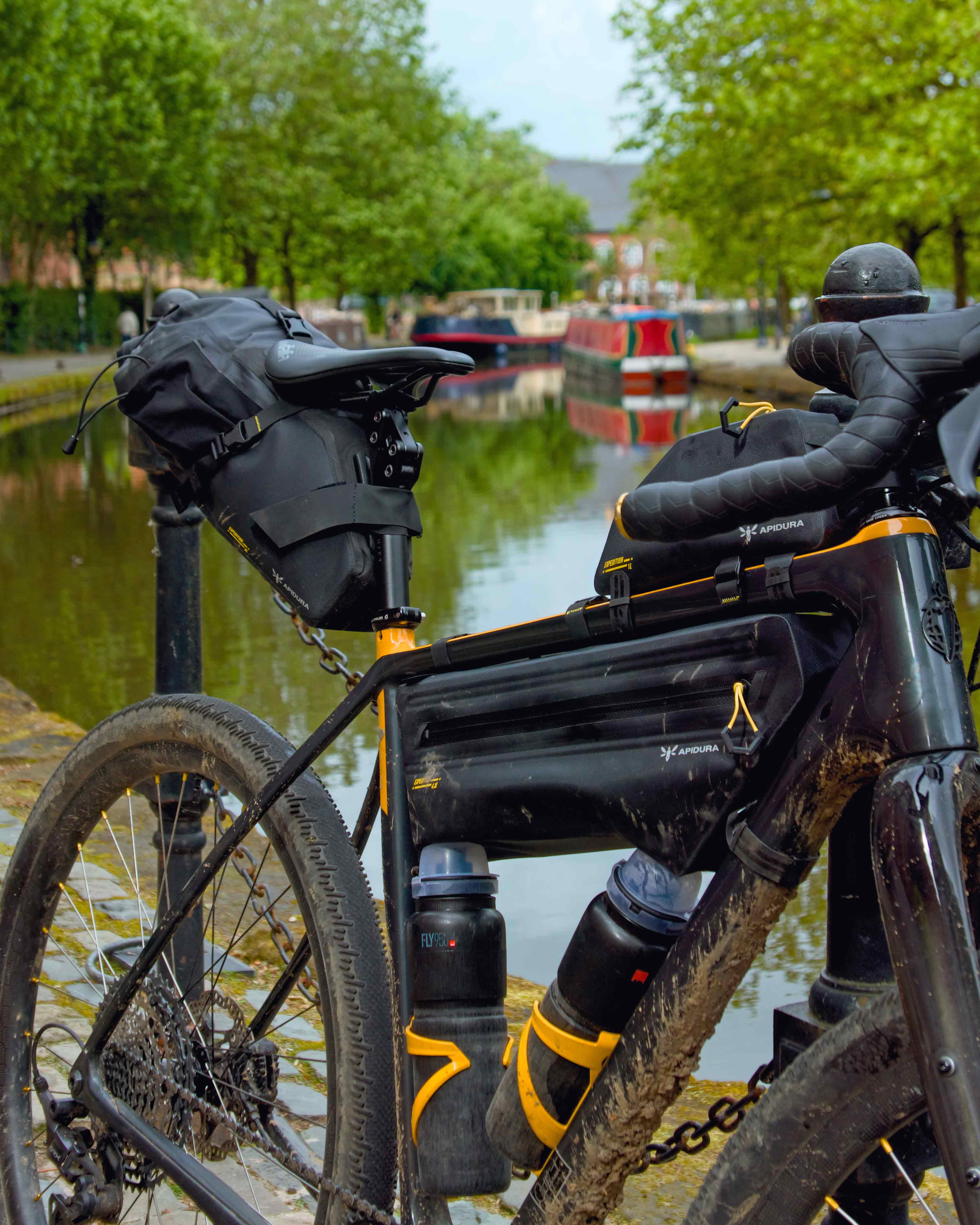
Together, they create a compact but capable bikepacking setup, especially for lightweight overnighters, long-distance riding where stopping might not be the plan, but it’s good to carry provisions and kit for that scenario.
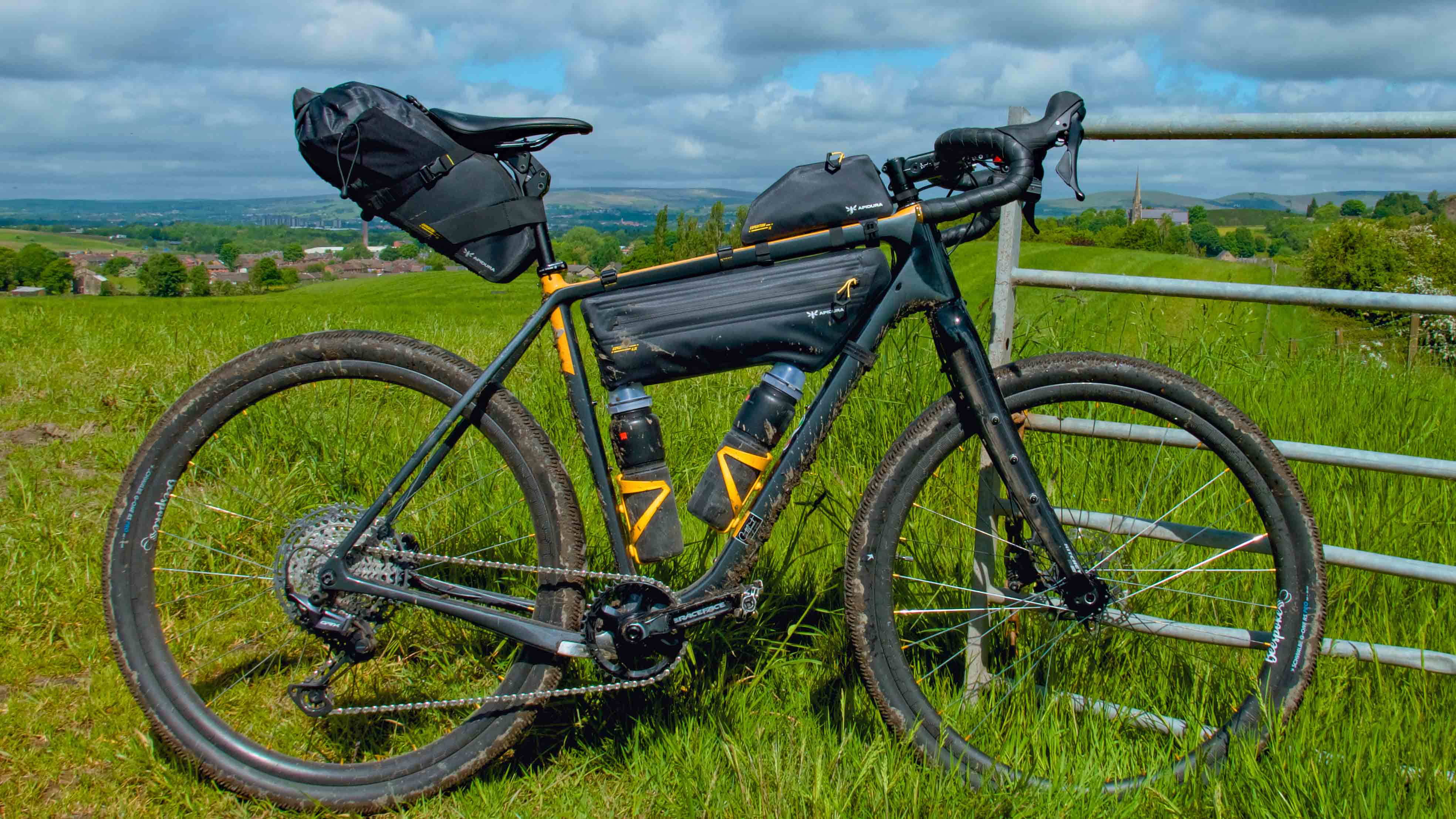
Visually, they pair so well with the bike with the Apidura black & yellow colour scheme.
Packing capacity
The first question with any bikepacking bag is simple: what can you actually fit in it? On my local overnighters, the three-bag setup offered enough space for a surprisingly complete sleep system and spare kit. In the saddle pack, I was able to comfortably fit my sleeping bag and long winter sleeping pad. Alongside that, I also carried a pillow and some spare clothes and tools. That is a solid amount of kit for a 9L saddle pack, especially once you factor in bulkier winter items. It makes the setup feel genuinely useful for real-world overnight riding rather than just carefully curated summer minimalism.
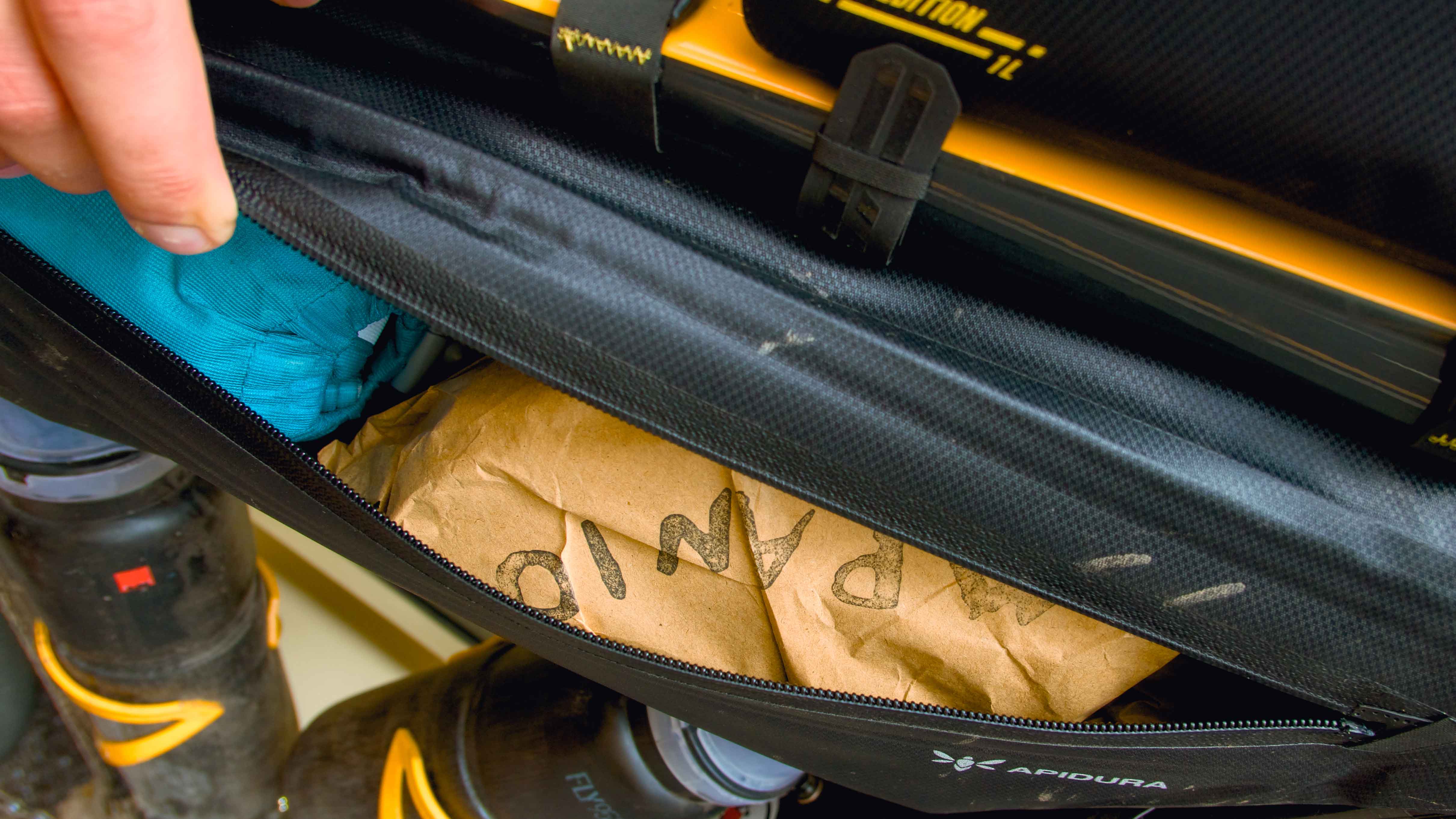
In the frame pack, I stored my extra-large bivvy bag (Sierra Design 3000). This is not a minimalist bivy bag and takes up a fair bit of space. I prefer to pack it away from the sleeping bag and clothes. When I packed away from camp, I actually managed to fit both the bivvy bag and sleeping mat together in the frame bag. I find this solution is the best one for saving time; however, it doesn’t leave much space for other items in the frame bag. I usually prefer to use the frame bag for items that I want to be within reach during the ride - typically my waterproofs, tools and extra snacks.
The top tube bag is the obvious place for ride essentials and snacks. Cookies, in particular, were very welcome. For these, I use a PVC pouch. Every manufacturer should make one available to reduce single-use plastic bags. It’s good to see that Apidura has used recycled and reusable plastic bags for their kit.
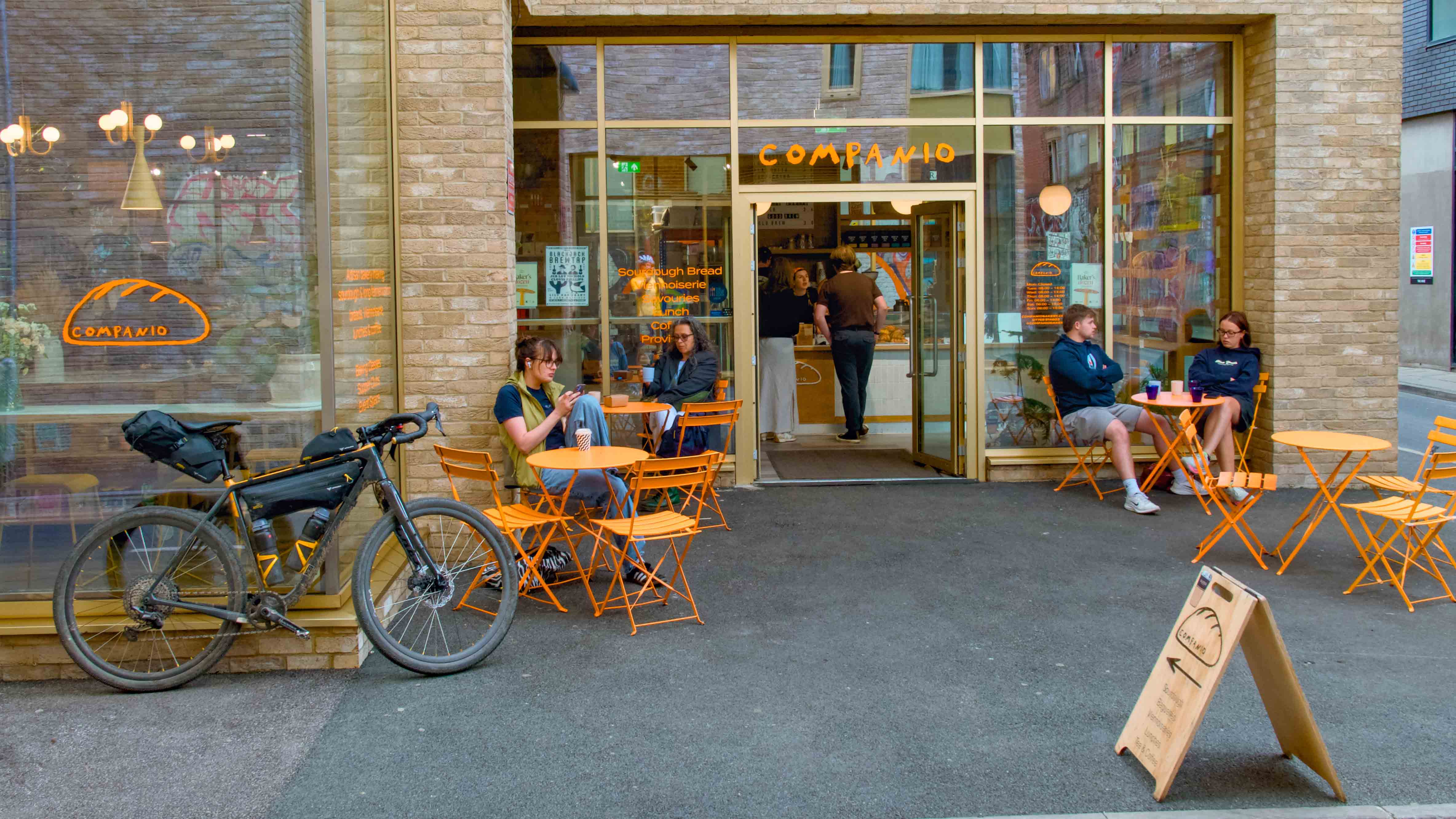
These bags are obviously not just for bikepacking. I can’t remember the last time I went for a ride without a top-tube bag to carry essentials and nutrition. In winter, a frame bag is also a welcome addition for spare layers, waterproofs, extra snacks and tools. It is also ideal for stashing sourdough after a bakery stop on the way home, although the croissant rarely makes it as far as the bike.
Installation
Installation was very straightforward across all three bags. The straps use a silicone print on the inside, which helps them grip the frame and adds to the overall stability once everything is tightened down. Their placement can also be customised along the bags, making it easy to avoid clashes with bottles, cables or other accessories. The clips on the frame bag and top tube bag feel secure and once fitted, I did not have to re-tension them while riding, even over rougher terrain.
Fit and stability
The biggest compliment I can give the bags is that, once fitted and packed properly, they feel solid. Across tarmac, smoother “champagne gravel” and much rougher Peak District tracks, the bags stayed impressively stable. There was no annoying shaking, swinging or constant sense that the bags were shifting or coming loose. That matters, especially off-road. A saddle pack that sways under load can make technical riding feel awkward, but the Apidura pack felt secure even on rougher ground.
The construction also feels reassuringly robust. The material has that purposeful, hard-wearing feel you want from bikepacking luggage. Nothing about the setup feels flimsy or overcomplicated. This ties in nicely with Apidura’s stated design approach for the Expedition range: fewer parts, fewer interfaces and fewer opportunities for failure over time. In use, that simplicity does seem to translate into a clean, dependable setup.
The bags were tested on my monster gravel (Salsa Cutthroat size Large). The bike has a Redshift suspension seatpost and stem, which paired without issues with the Apidura bags. Plenty of space was available between the saddlebag and the rear wheel/frame. Depending on your bike size, this might be different. Bag sizes and details are available on the Apidura website to work out which bag fits your bike best.
Expedition Saddle Pack 9L
The 9L saddle pack was the main carrying space in my setup. It swallowed my core sleep system without issue: sleeping bag, long winter mat and spare clothes/tools. That alone makes it a very practical size for lightweight trips. It is not enormous, which is a good thing for the type of riding I do. Bigger saddle packs can encourage overpacking and become harder to stabilise, whereas this 9L version feels like a good balance between capacity and control. When descending offroad, I never had issues when moving my weight back and clashing my legs/bum with the pack, neither did I feel it swaying. It has bounced sometimes, which was quickly and easily resolved by putting a bit more tension in the stabilising straps.
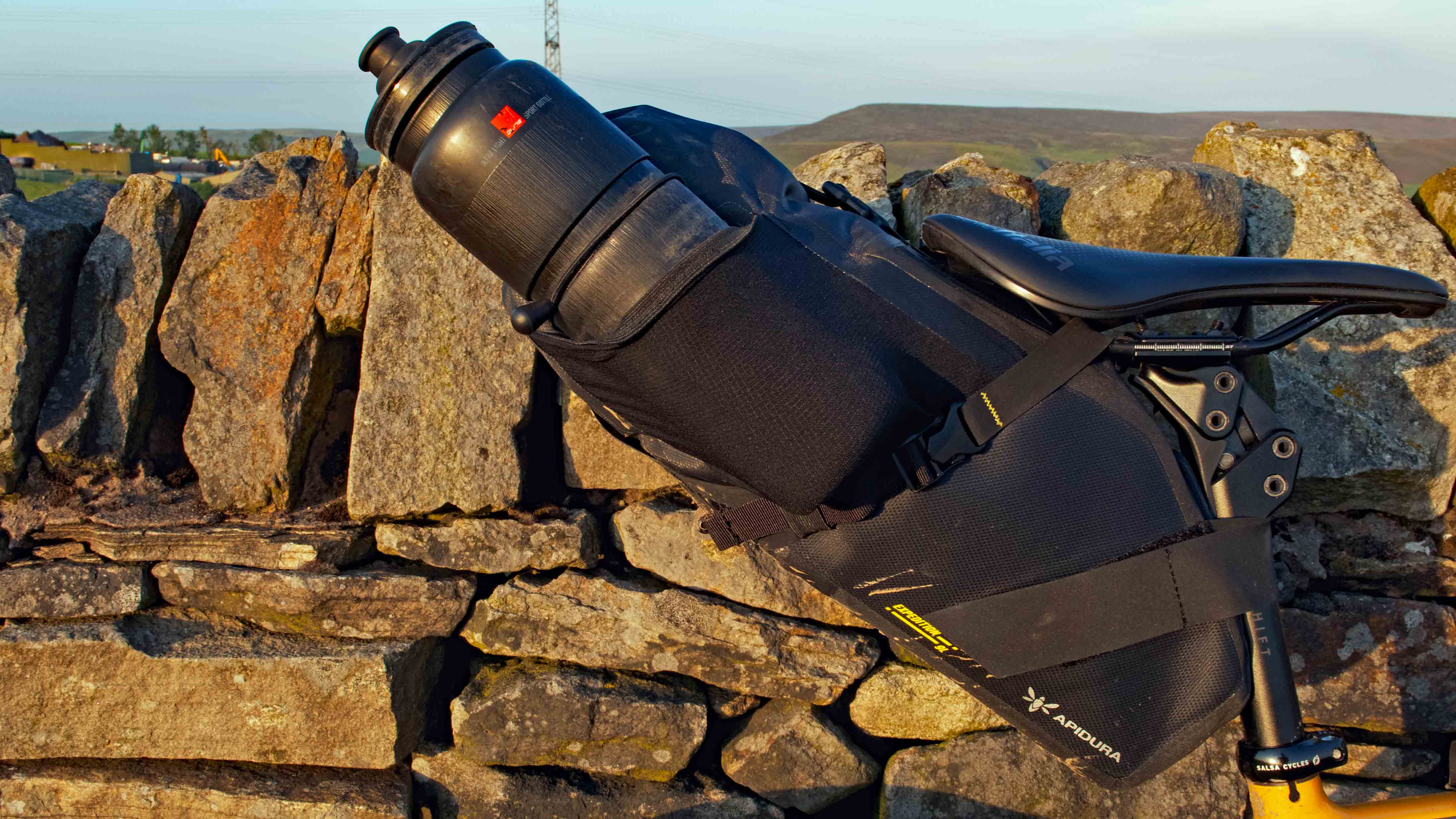
There are some thoughtful details, too. The side mesh pockets are a useful addition and can hold water bottles, although I wouldn’t rely on them as my only water storage option. They are not accessible while riding, so I see them more as overflow storage or a place to carry extra water between stops.
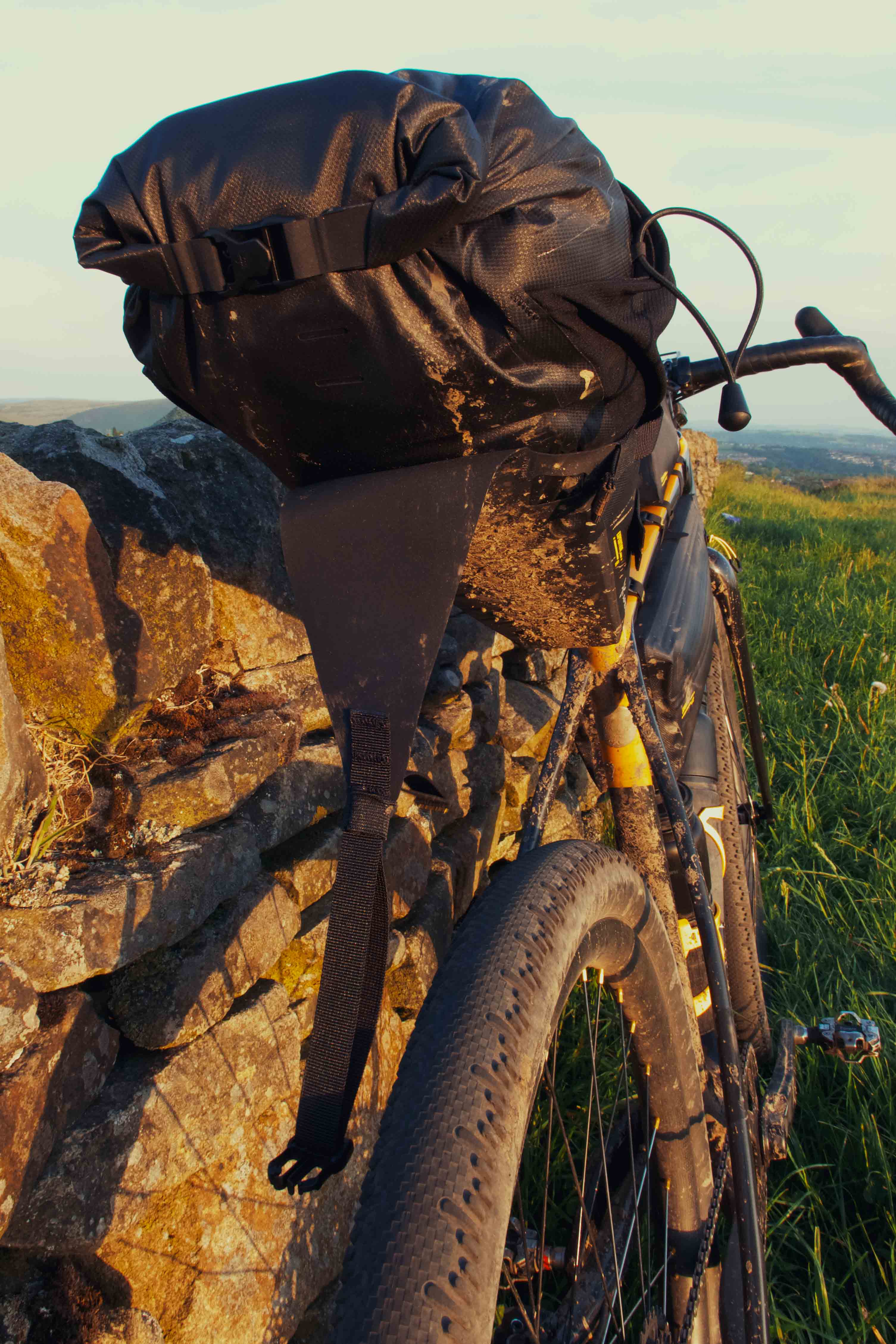
The compression strap includes hi-vis detailing, which is a nice safety touch. This strap goes from the underside of the saddle bag to the upper part of it and helps compress the contents. It also works well as a “handle” when detaching the saddle bag and carrying it away from the bike. There is also a GoPro-style mount suitable for attaching a rear light. If you haven’t got a lot of exposed seatpost, you’ll know the struggle of fitting a saddle bag and rear light. This solution solves it and allows you to attach a rear light (e.g. Exposure TraceR) with a simple GoPro mount. Although there is one caveat: if you are riding off-road in wet conditions, anything mounted there is likely to get covered in mud spray. That is not really a fault of the bag, as the same thing can happen with frame-mounted lights and it can be solved easily enough with a mudguard.
Overall, the saddle pack is the standout item in the setup for me. It is stable, usefully sized and well thought-out.
Expedition Frame Pack 4.3L
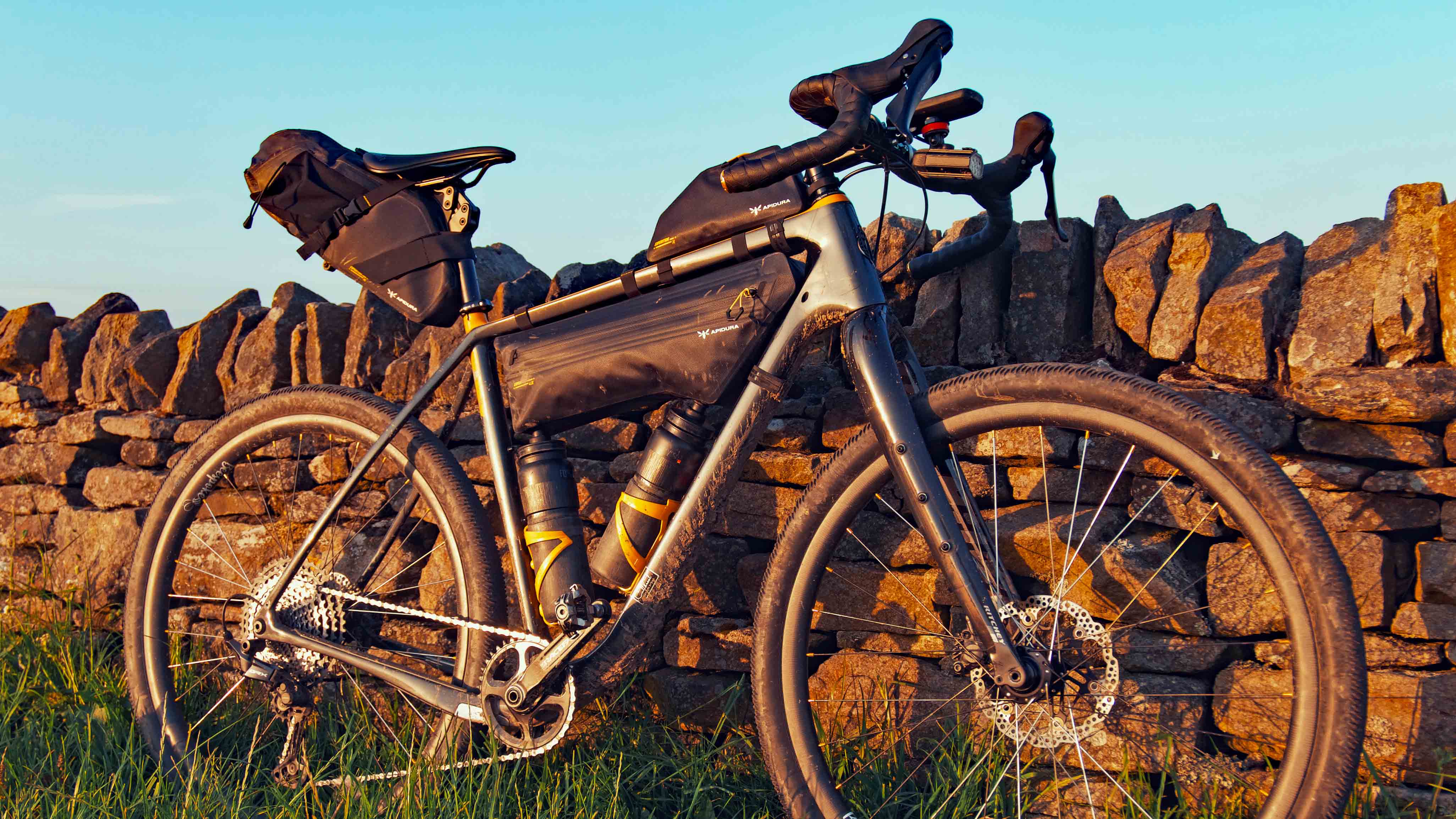
The frame pack is the quiet workhorse of the setup. At 4.3L, it gives useful extra capacity without taking over the whole frame triangle, and it’s the largest frame bag that I’ve used. It is particularly good for heavier or denser items because it keeps weight low and central, and for anything that needs to be accessible while riding. It has a side compartment on the non-drive side, which is ideal to hold flat and thin items (notes, map, documents), while on the drive side, the waterproof zip allows access to the main compartment.
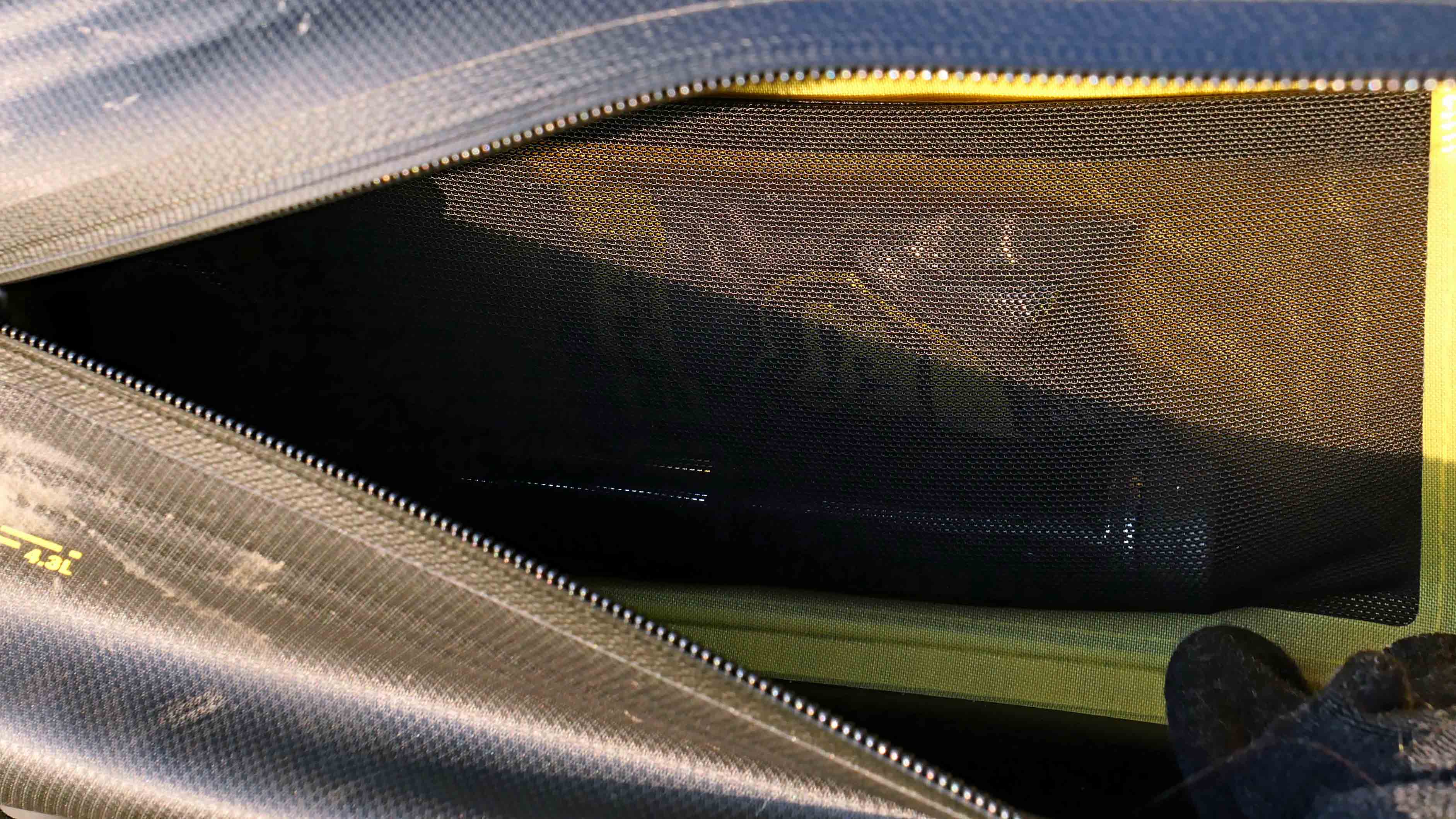
Inside the frame bag, you’ll find a very useful mesh pocket. I used it to store a mini pump, spare brake pads, a small lock and a wallet. The pocket prevents small items like those from bouncing inside the frame bag even when empty. On rougher terrain, that makes a noticeable difference. Compared with loading everything into a saddle pack or bar bag, using the frame pack helps keep the bike feeling more balanced. For local overnighters, I used it to carry my bivy bag, waterproofs and other kit I wanted to access during the ride or keep away from the more compressed – and dry - sleep system. In my case, the frame bag was nearly a perfect fit, with just a small gap to the seat-tube – where I could have easily squeezed in a spare inner tube – and it even left enough space for a couple of 1L bottles.
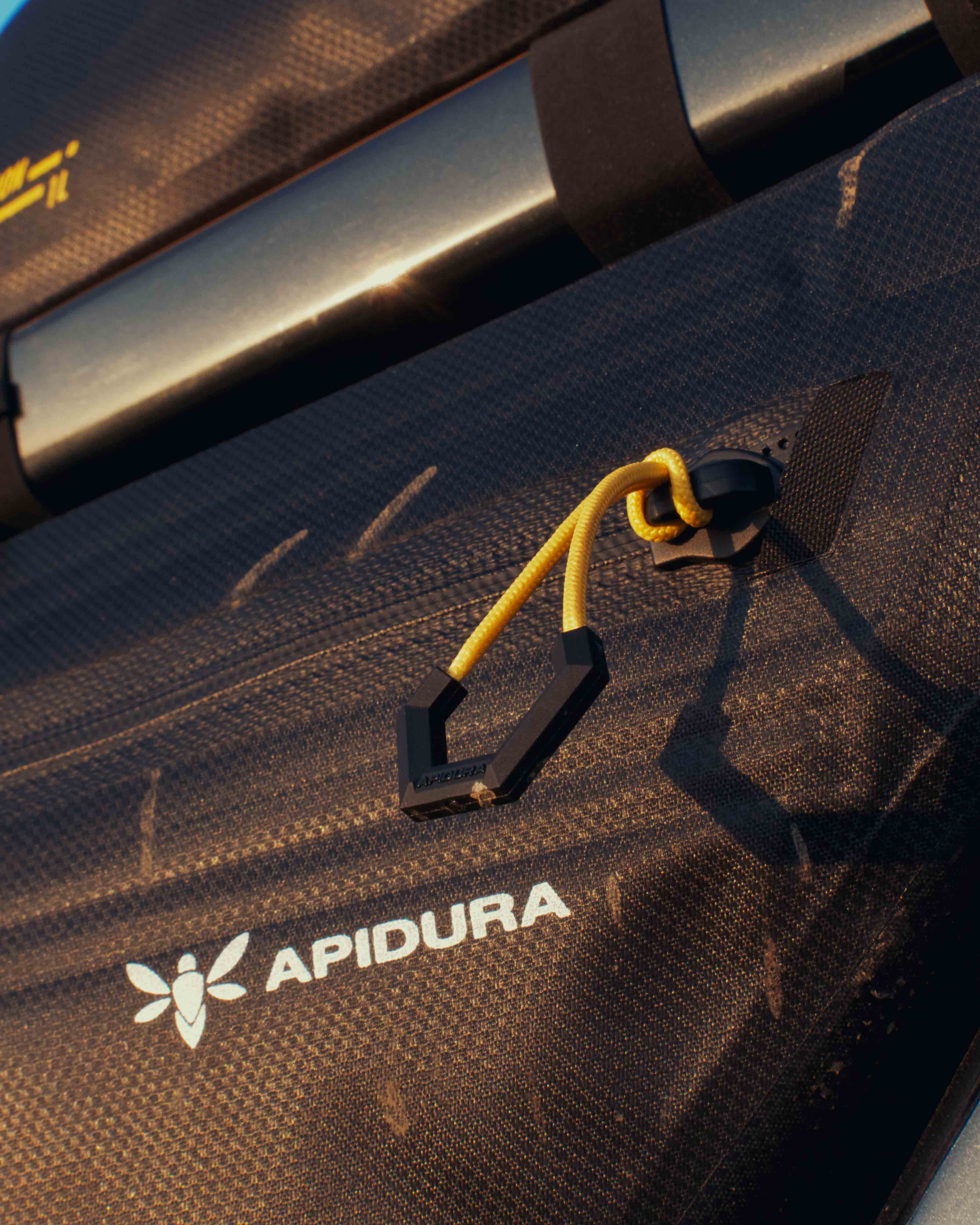
The fit felt secure and the bag did not move around, even when the tracks became rougher. The zip is stiff, but on the frame bag, that did not bother me too much. The structure of the bag and its position within the frame mean you can operate with one hand with no issues. Even when trying to overpack the bag, I never felt like the zip would be about to fail or burst open, which can be a concern on some bags. I believe Apidura achieved this with the robust construction of the bag, which prevents excessive stress from being applied to the zip. This also makes the bag harder to stuff compared to more flexible designs, but it also prevents the bag from bulging out and rubbing on legs, and definitely a good design feature in my opinion.
The bag has multiple attachment points that allow you to customise where the straps go around your frame. This enables you to avoid clashes with other accessories/bags. I was tempted to coordinate the straps with the top tube bag, but in reality, this didn’t quite work out so for ease, I kept them separate.
Expedition Top Tube Pack 1L
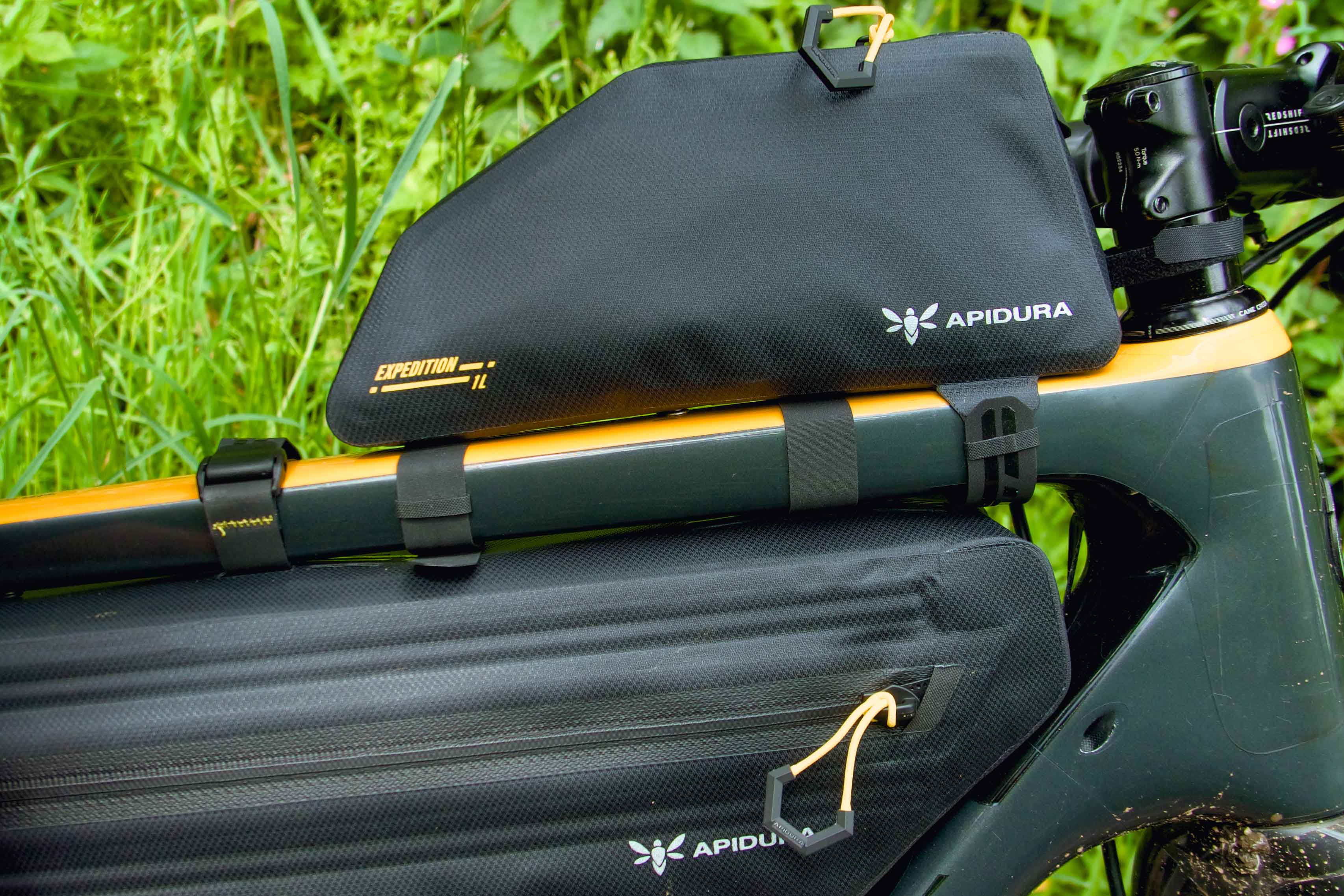
The 1L top tube bag became my snack and essentials bag. It is the kind of storage you quickly get used to having: easy access for food, small tools, keys, gloves, chamois cream, or whatever else you want within reach. For me, this was the cookie bag. That alone earns it a place on the bike. Apidura also makes the bag with a bolt-on design; the one I tested came with straps. The front one – closer to the stem - is not removable, while the other is. I found the fixed strap not so easy to tension and store away, or at least not as easy as the other straps.
The bag stays in place well and does not wobble around when riding off-road. For gravel and bikepacking use, that stability is a big plus. It also has a rigid internal frame which stops it from collapsing when empty or wobbling around. A velcro strap can be looped around the stem spacers and there’s a port for cables.
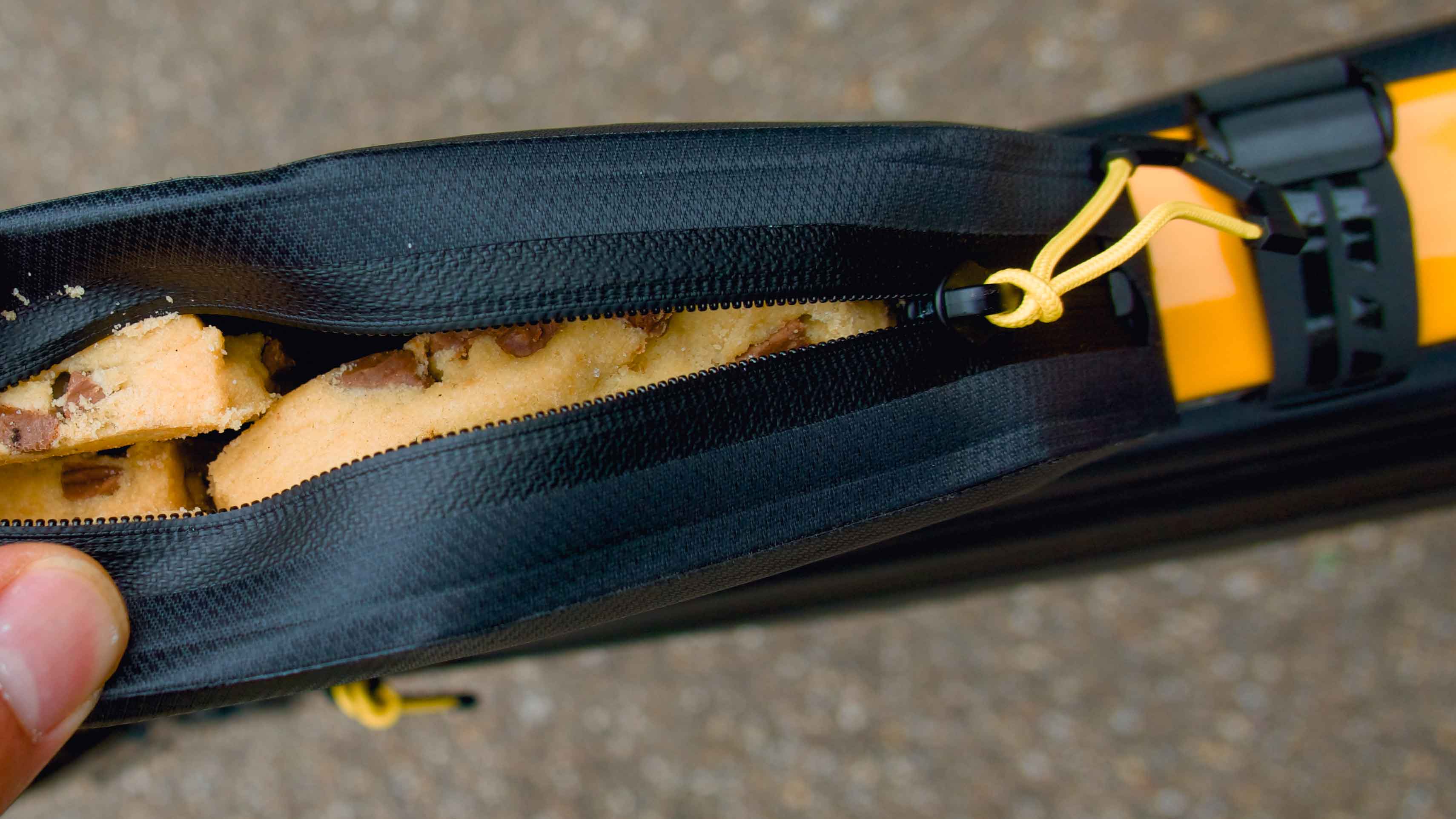
However, this bag is also where my only real gripe with the Expedition range showed up. The zips are very stiff. On the frame pack, this was not a major issue, but on the top tube bag, I sometimes found that the force needed to open the zip caused the bag to flex and deform slightly. This might improve with use, however, I haven’t noticed any significant difference in the time I have had it.
That does not make it unusable and the stiffness may be part of what helps with weather resistance. It can be a bit annoying when riding and opening the bag, but my concern is that it also takes a concerted effort to close the bag and fully bring the pull tab into the zip garage. When you are riding or distracted, not closing the zip properly might leave enough of a gap for rain and moisture to enter the bag.
Weather resistance
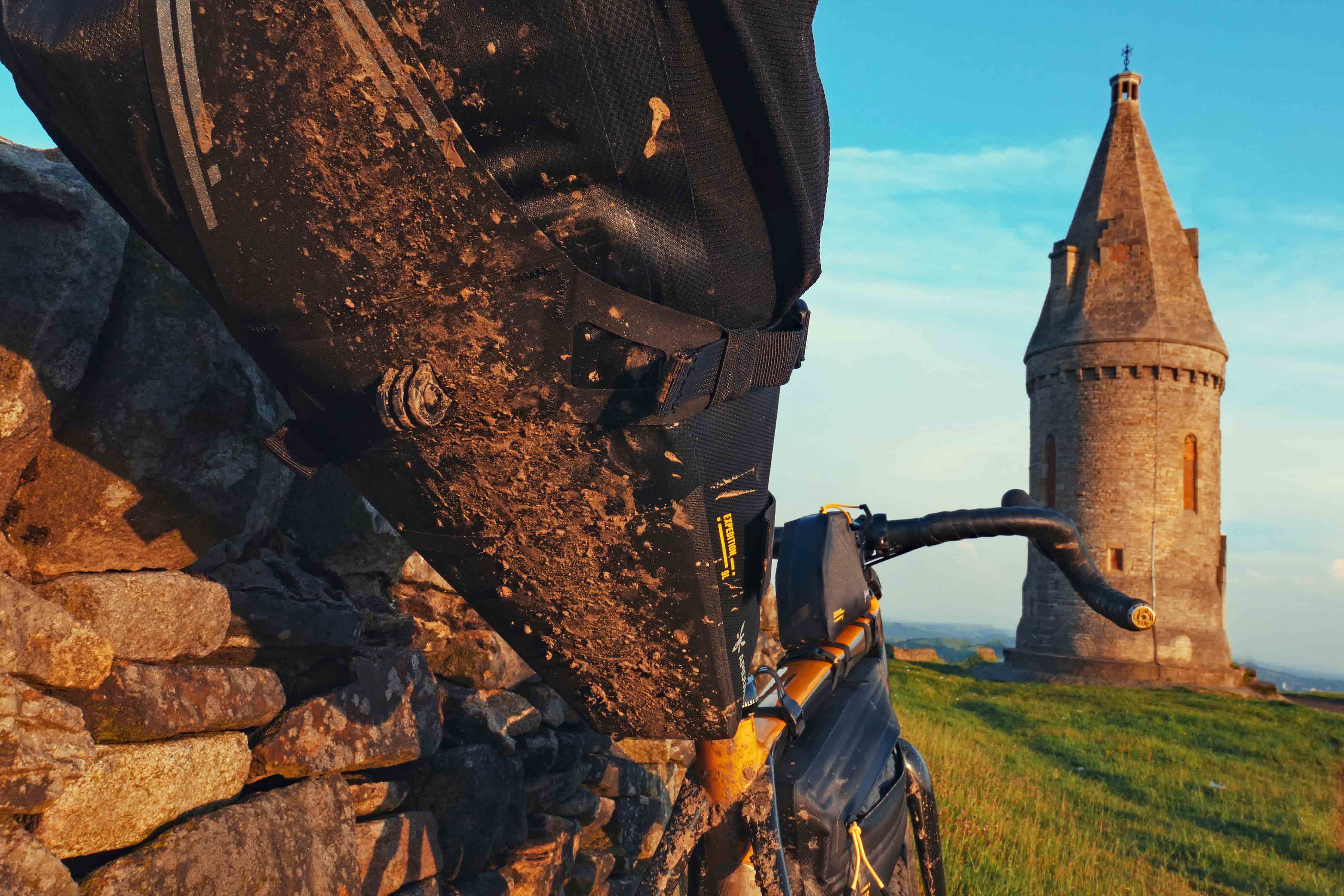
I have not yet had the chance to test the bags properly in heavy rain, so I cannot make a full long-term proofing claim from personal experience. That said, based on the construction, materials and the design of the Expedition range, I would expect them to resist showers and prolonged exposure to rain well. They feel like bags designed for proper bikepacking conditions rather than fair-weather use only.
On the trail
The best test of bikepacking bags is whether you stop thinking about them. Over a few local overnighters, that was largely my experience with this Apidura setup. Loaded with sleep kit, spare clothing, waterproofs and snacks, the bags felt balanced and dependable. They handled smooth surfaces and rougher off-road riding without drama. There was no sense of the luggage compromising the ride, which is exactly what you want when routes move between tarmac, gravel and rockier terrain.
The Peak District is a good place to test bikepacking kit because it rarely lets you get away with a poor setup. Bouldery tracks, steep ramps and unpredictable surfaces will quickly expose loose straps, unstable bags or bad weight distribution. These bags passed that test well. One minor comment I have is that the loops provided by Apidura to secure the straps appear a bit fragile, and the straps themselves are quite long. These are easy to solve, as the loops can be replaced and in the long term, I would probably cut the straps to a length that suits my bike.
Verdict
Summary: A stable and off-road worthy set-up, robust construction, good usable capacity, neat saddle pack details, frame bag fits the bike perfectly and offers plenty of volume. Things I’d change: stiff zips, the top tube bag flexes when opening and strap loops feel a little fragile.
The Apidura Expedition Saddle Pack 9L, Frame Pack 4.3L and Top Tube Pack 1L make a very capable three-bag setup for lightweight bikepacking and overnight gravel rides.
The strengths are clear: stability, solid construction, useful capacity and a clean, simple design. The saddle pack in particular impressed me with how much sleep kit it could carry while still feeling controlled off-road. The frame pack helps keep weight central, while the top tube bag is ideal for essentials and snacks.
My only real criticism is the stiffness of the zips. It is not a major issue on the frame bag, but on the top tube bag, it can make access feel less smooth than I would like, especially when the bag flexes under the force needed to open it. I would also like more time in heavy rain before making a definitive call on long-term waterproofing, but the bags feel built for bad weather and I would be confident taking them into mixed conditions.
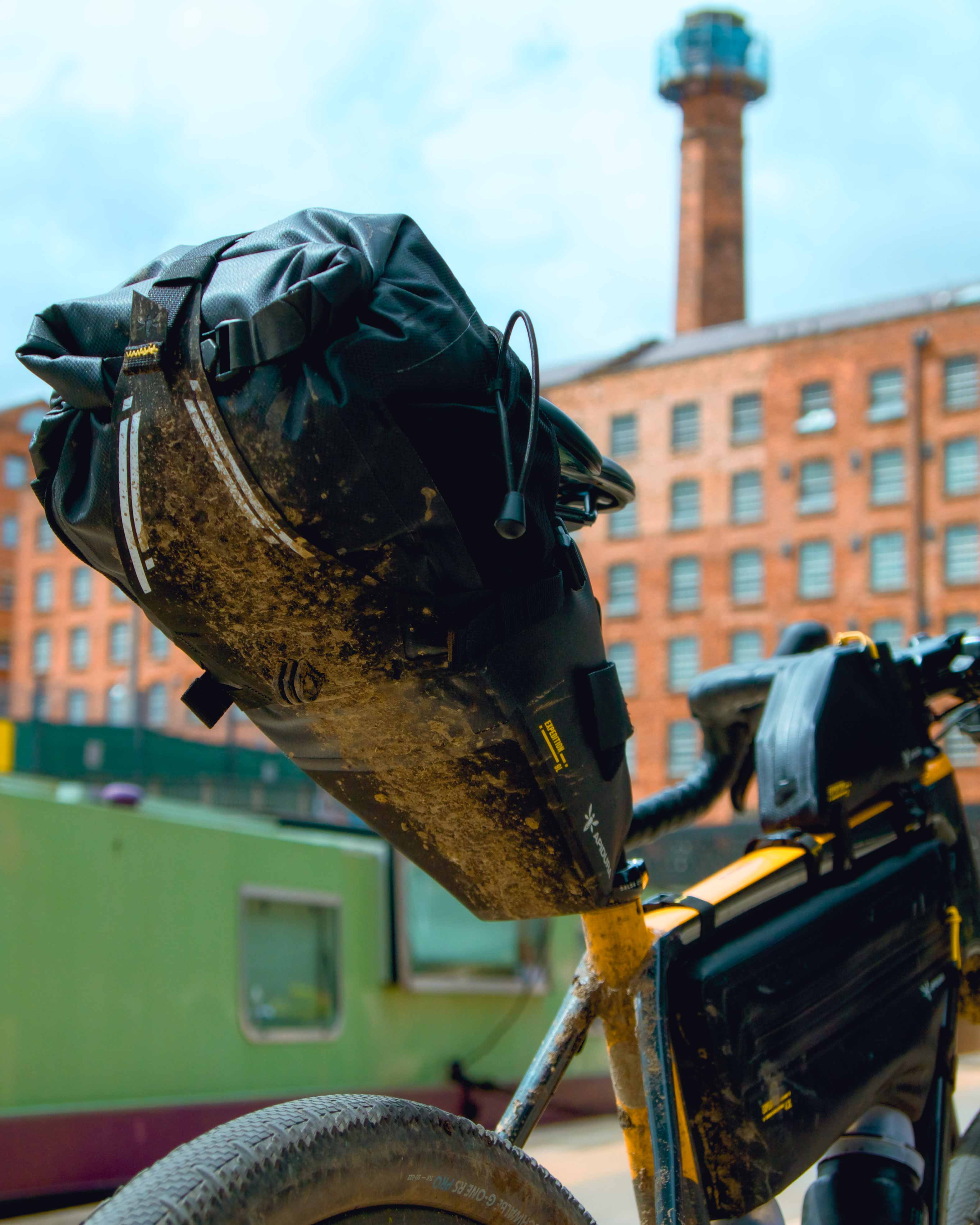
For riders looking for a compact, durable and stable bikepacking setup for overnighters, ultra-races, gravel rides and rougher off-road adventures, this Apidura Expedition combination is easy to recommend. This set-up could be easily enhanced with a front roll bag or a larger saddle pack for longer or more luxurious trips.
Bikepacking kit should make it easier to get out the door, not add another layer of faff. This three-bag Apidura Expedition setup does exactly that: simple, stable and ready for the long way home. The saddle pack is the highlight, the frame bag is the most versatile and the top tube bag is useful but slightly let down by the zip.
Editor's Note: We passed on Valerio's feedback about the zips to Apidura and this is their response "The zips are stiff initially; however they do get less stiff during on-going usage. Zips are always a challenge when you need to balance out waterproofing, durability, ease of use etc We’ve prioritised durability and waterproofing as we feel this is the most important thing to an Expedition rider, and ties into the Stable, Waterproof, Durable approach that we have taken with [the] Expedition Series."