Norka Bikes might not be a brand that you’re instantly familiar with. Based in Bilbao, Northern Spain, Norka is the brainchild of one man – Norbert Toth. The different frames that Norbert crafts all have one thing in common – they showcase the art of frame construction using lugs. To say that lug-built frames are not that common would be an understatement, but Norbert is convinced that this traditional frame building method offers benefits beyond just practicalities. We recently interviewed Norbert to get some insight into what he does and why. Read on to find out more.
Gravel Union - We should start off by finding out what first inspired you to pick up a brazing torch? Where does the name Norka Bizi come from?
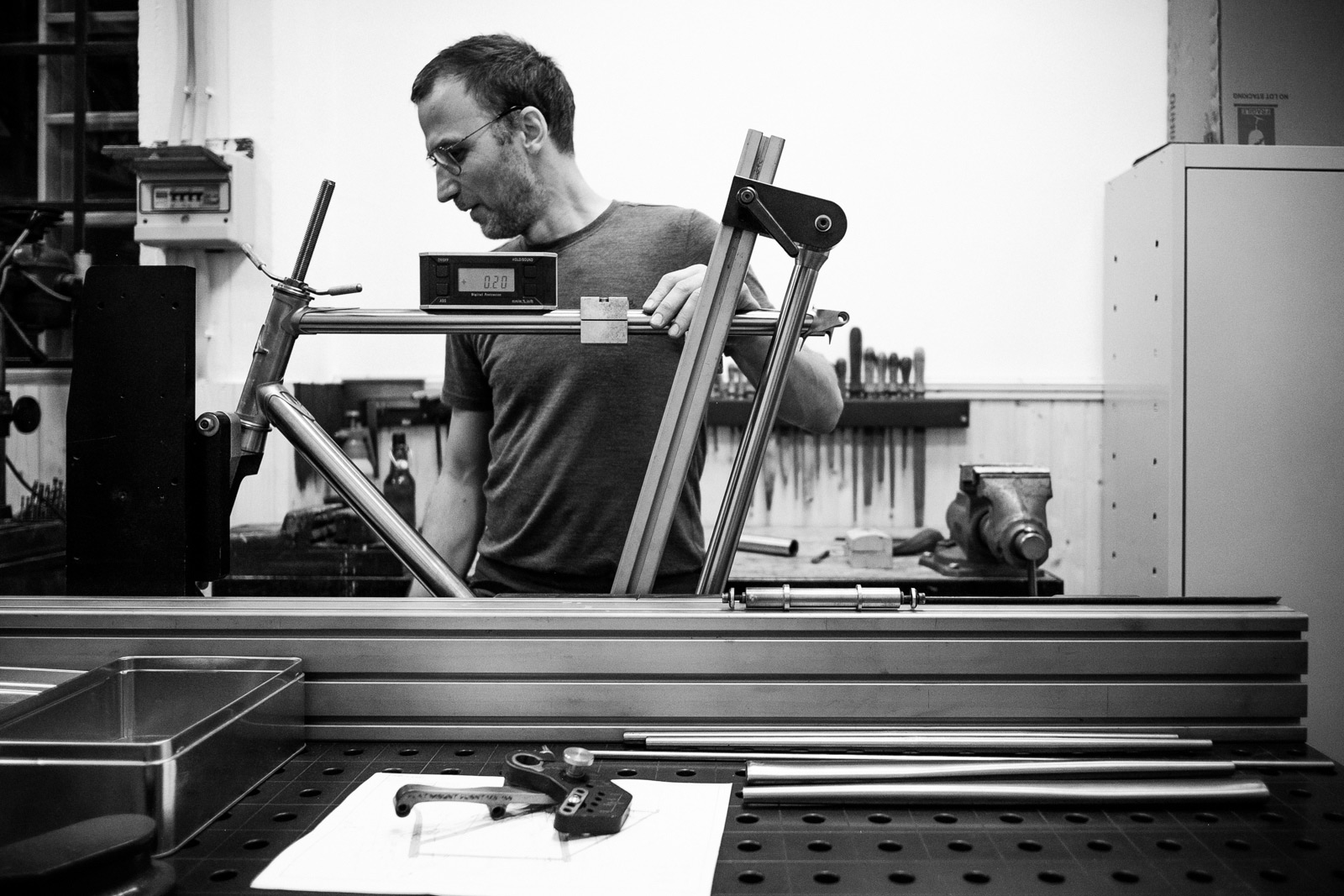
Norbert - When I was a kid, I bought a track frame to convert it into a fixed-gear bike. I had to strip off the paint and underneath I discovered a beautiful steel frame, with finely carved lugs and incredibly thin seat stays. I think that was the moment I realised that I wanted to learn this craft. From then on, my mind was constantly searching for information about frame building at a time when there wasn’t much available online. Growing up in Hungary, there was no one around who could teach me this trade, so I decided to move to the Basque Country. There, I found many experienced professionals who learned brazing frames in the old factories, carrying knowledge from the steel era.
I documented that journey in a blog called Norkabizi. The name comes from “Norka,” the name people call me, and “bizi,” a Basque word with a double meaning: it means both “alive” and “bicycle.” That’s where @norkabizi comes from.
Gravel Union – Can you give us some insight into your background as a cyclist?
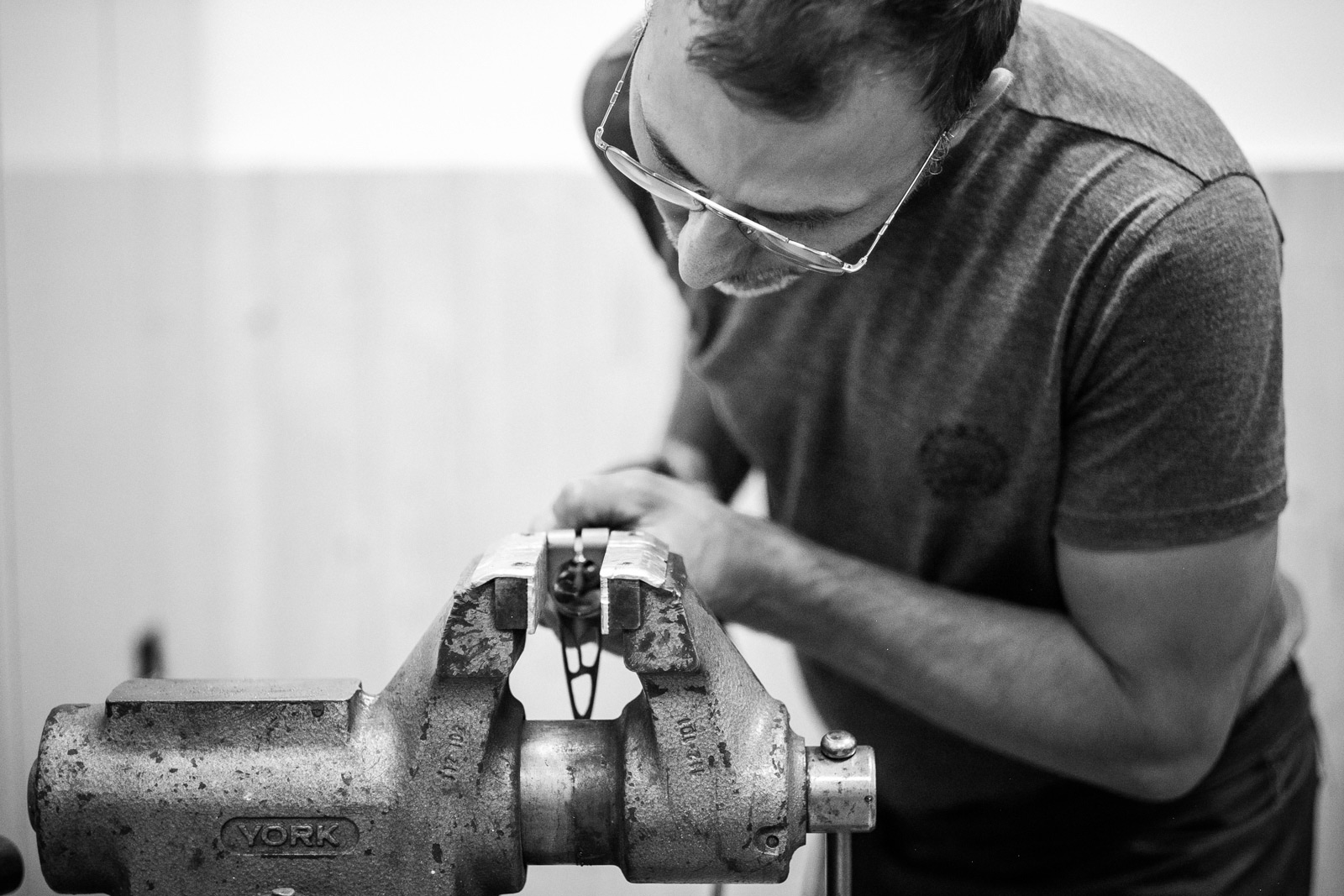
Norbert - I started racing XC mountain bikes at the age of 14 and fell in love with downhill a couple of years later. Early on, I realised that there was much more to cycling than just off-road racing, so I began riding longer distances and discovered the joy of traveling by bike. I first started brazing in my little workshop in Bilbao in 2012. From the very beginning, I was deeply interested in custom rack fabrication, a service I began offering to complement the frame repairs and rear-dropout conversions (for fixed-gear use) I was already doing at the time.
"My main goal is to follow tradition and pass it on to the next generation."
As important as the creative process is to me, I’m also a firm believer in keeping good old bikes alive and relevant for as long as possible. My first frame came to life in 2015. By then, I had already fallen in love with the lugged construction of classic bicycles, so to this day all my frames are built this way and are paired with a matching steel lugged fork. My main goal is to follow tradition and pass it on to the next generation, all while incorporating as many meaningful modern improvements as possible, avoiding changes made merely for the sake of marketing.
"All bikes are meant to be ridden, on the road and off, in my opinion. What truly matters is the act of riding itself."
Gravel Union - Let’s talk about the bicycle you were showing collaborating with Shimano at this year’s Sea Otter Europe, held in Girona. Is that a road bike, a gravel bike, or something else completely?
Norbert - Thanks for asking, I'm glad you noticed. In my opinion, most artists aim to reflect society or the world they are living at. I wanted to draw attention to the idea that we shouldn’t fall into the trap of over-categorising bicycles. To express that more clearly, I tried to make the most of the possibilities offered by Shimano’s new wireless groupsets and their mix-and-match combinations. All bikes are meant to be ridden, on the road and off, in my opinion. What truly matters is the act of riding itself.
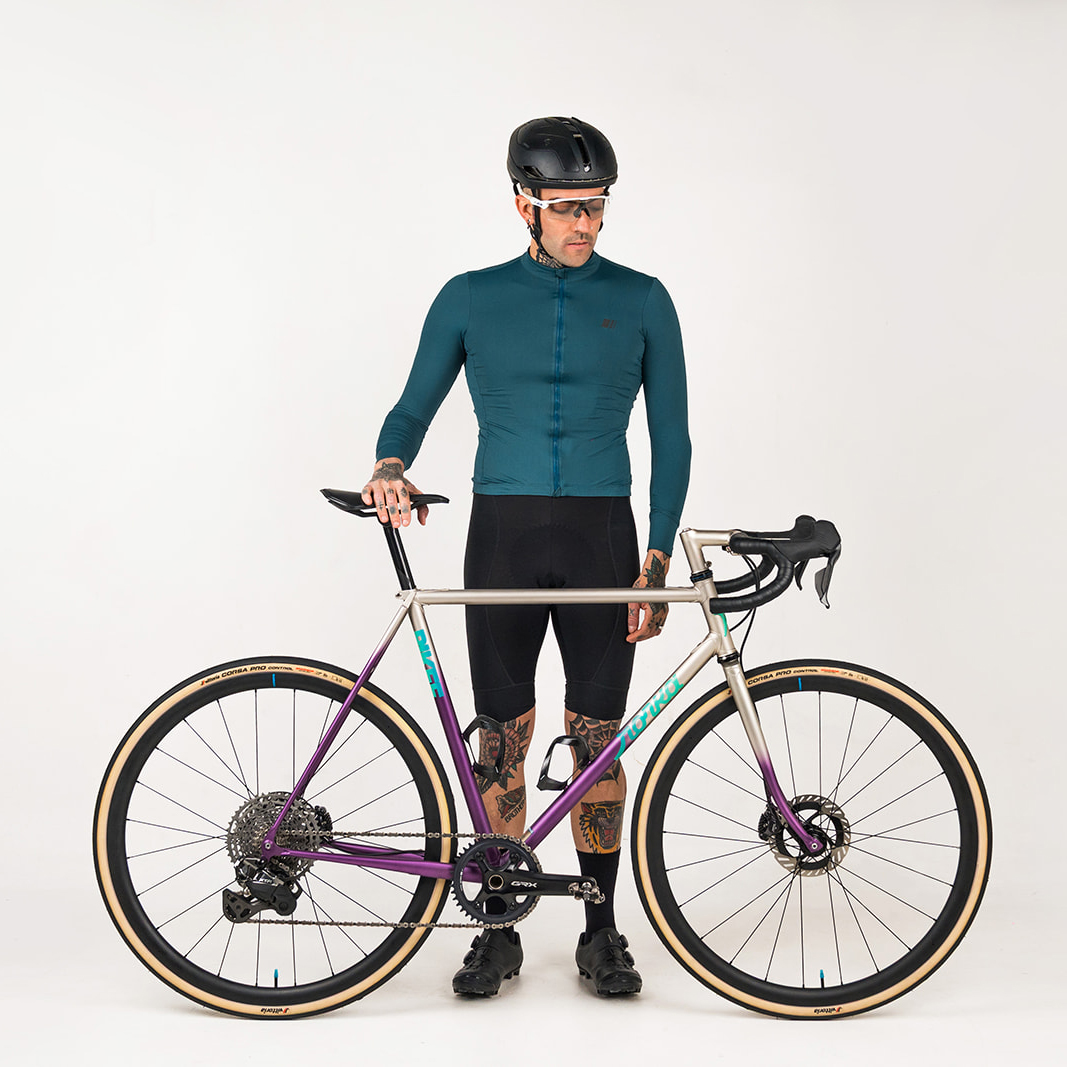
I wouldn’t really put it into a strict category, to be honest. The geometry is classic road, but it has clearance for up to 38 mm tyres, which pushes it outside the traditional road and all-road concepts, while not quite making it a gravel bike in the way we understand gravel today. I’d say it depends a bit on the rider. For me, it would work perfectly well for gravel and even cyclocross, yet it’s still a road bike at heart, a lively, responsive machine you can happily take on any road ride.
We decided to call the concept “Rough Road”, staying close to the idea of a road bike, but making it clear that it’s also meant for broken surfaces, whether that’s concrete, cracked asphalt, or light gravel.
"A bicycle is, in the end, just a tool, but when a tool is beautiful, the experience becomes something greater."
Gravel Union - Why lugged construction?
Norbert - Because it’s the best choice! Without adding much weight to the bicycle, I can preserve that artisanal look, which is very important to me, while also strengthening the joints and creating something meant to last. A bicycle is, in the end, just a tool, but when a tool is beautiful, the experience becomes something greater. Think of a screwdriver with a hand-carved wooden handle, or if you work in an office, a beautifully made pen. Sometimes you pick it up and simply observe it, taking in all its details and for a moment it feels as if time stops. I’m sure many of you have felt something like that. In this overwhelming world we live in, I believe we still need those little pauses. That’s the explanation I came up with, but the truth is much simpler: I fell in love with lugs, and I’ve dedicated my life to keeping this tradition alive.
Gravel Union - And what about the name Pikee, what does it mean?
Norbert - Côte de Piké was a mountain pass included in the first stage of the 2023 Tour de France - by coincidence, the very same place where my workshop was at the time and where my friend Ibai Fradejas and I first dreamt up the “Rough Road” bicycle concept. The climb is well known among local cyclists; for many riders from Bilbao, it’s the final challenge before ending their training ride and heading home. It's a steep, 2 km climb with an average gradient of about 10% and a maximum of 17.3%, making it difficult enough to force out pure sprinters and favour "puncheur" style riders who perform well on short, steep climbs, that´s why it´s still chosen by a lot of race organisers. As a tunnel is currently being renovated so cyclists can bypass the steep ascent, the climb will probably lose some of its significance in the future. That’s another reason why we wanted to honour it and keep its memory alive.
Gravel Union - Can you tell us a little bit about the ‘mullet’ build?
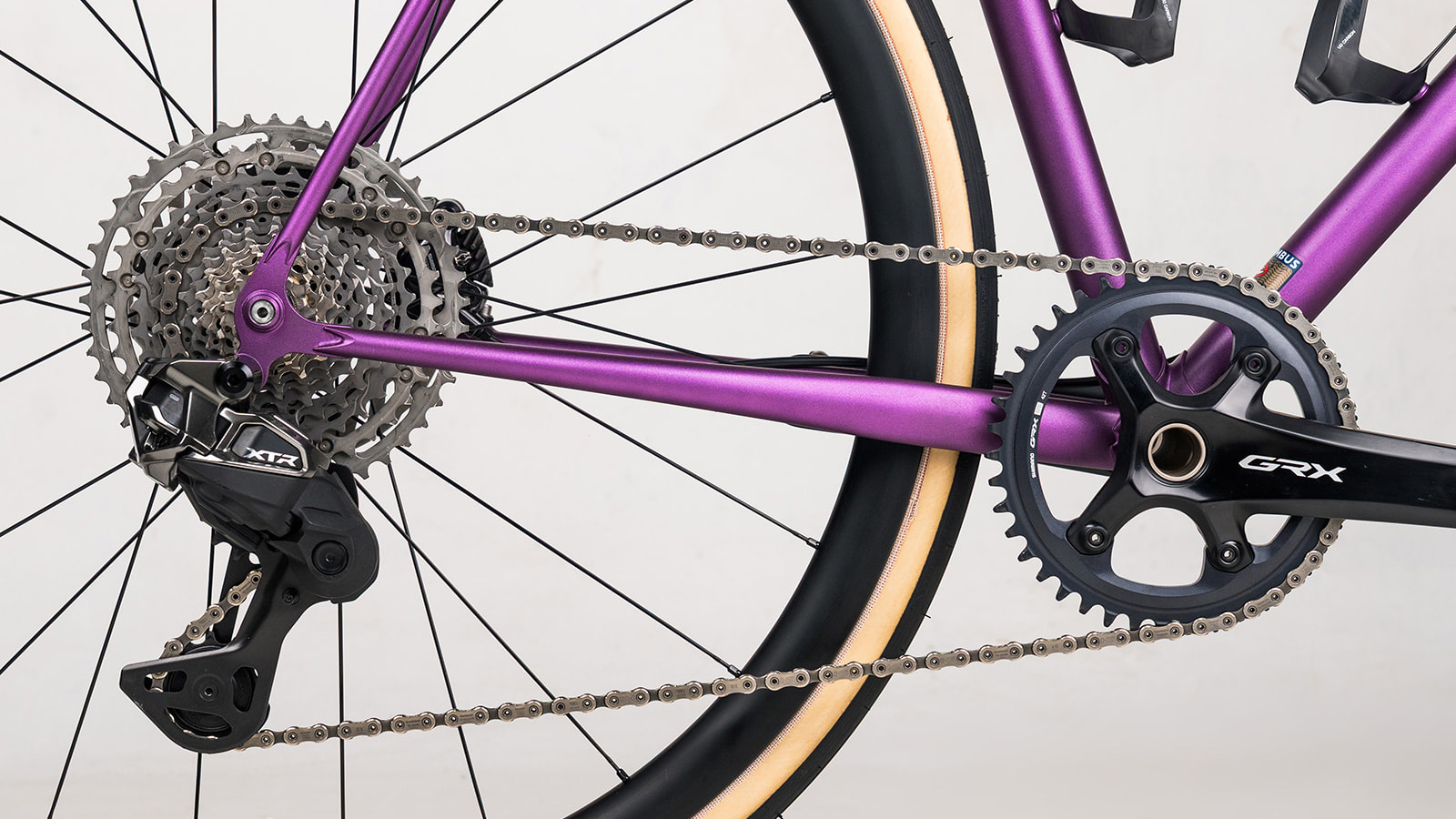
Norbert - Yes, absolutely. The idea of showcasing a mullet groupset came after a quick brainstorming session with Shimano Spain. Shimano’s new wireless groupsets were just being released and we wanted to highlight something fresh. At first, we considered using a full GRX 1x setup, but the cassette was far too big for a road-oriented bike. Eventually, we discovered that we could pair the 9–45 cassette and rear derailleur from the XTR MTB groupset with the GRX shifter and chainset — and to be honest, it works flawlessly.
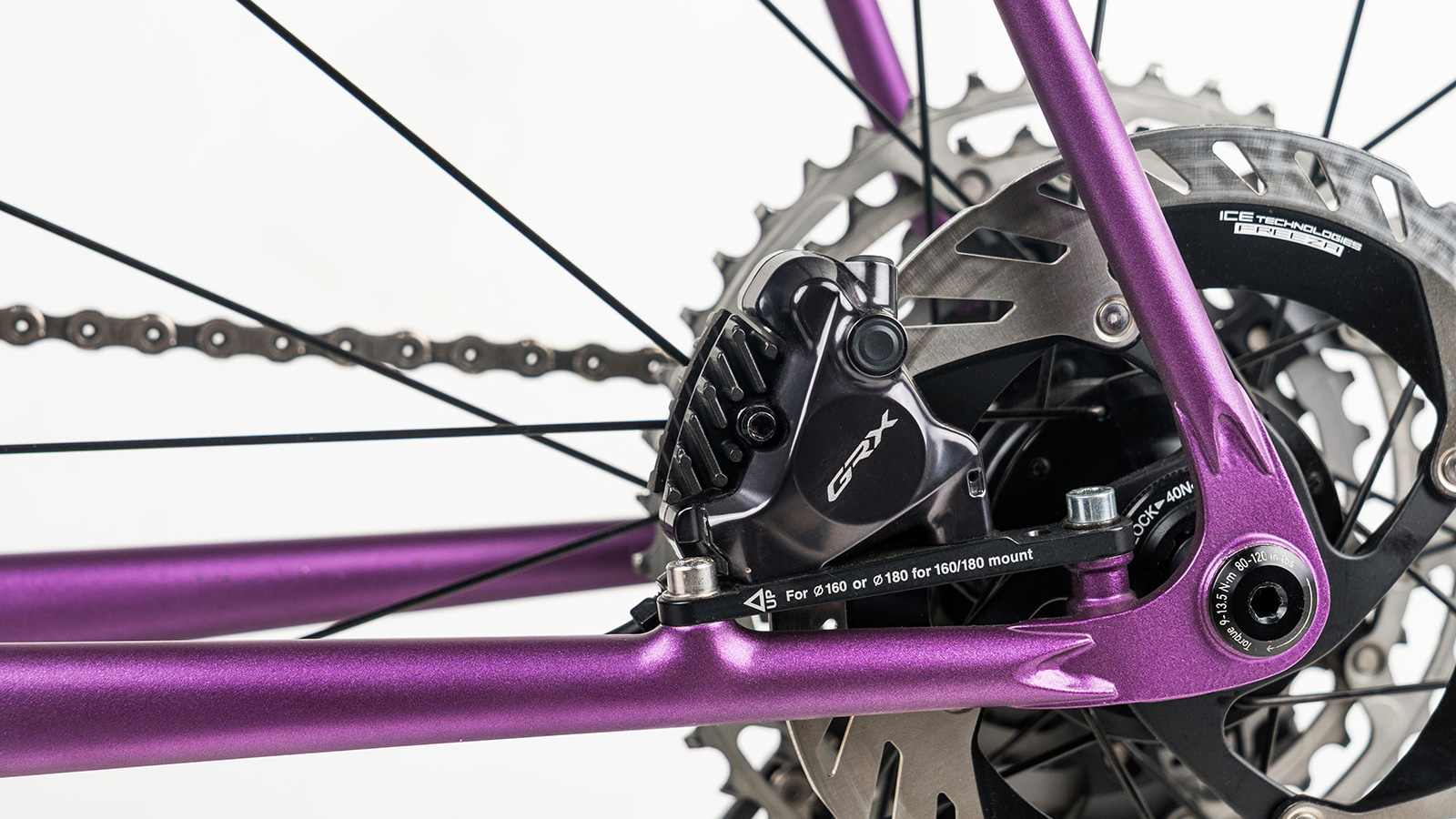
In the end, we built the bike with what is essentially Shimano’s first unofficial 1x road drivetrain: the new GRX wheels, shifters, and chainset, combined with the XTR cassette and rear derailleur. I was desperate to try it, and I have to say, it’s fantastic. I love the new wireless GRX shifters, they’re incredibly comfortable and the new Servo Wave brakes have brutal stopping power. The rear derailleur shifts fast as hell. I really hope Shimano releases something similar for their road groupsets.
Gravel Union - And why did you choose a steel fork?
Norbert - To be honest, all of my bikes have steel forks. I’ve never used a carbon fork. However, what usually happens with steel disc forks is that they need to be so stiff that they end up weighing a ton and I could never fully accept that compromise.
"With this technology, we can hollow out the areas where material isn’t needed."
In 2023, when I competed in the Concours de Machines (a very well-regarded French frame builder competition) I decided to develop something special. Working closely with a local 3D-printing company, we created a fork crown that mates with the largest curved fork blades available today: the oversized PegoRichie tubing designed by Dario Pegoretti and Richard Sachs. We already knew the blades were stiff enough and the new crown adds even more rigidity without adding unnecessary weight. With this technology, we can hollow out the areas where material isn’t needed. The result is a sub-800-gram steel fork, which is remarkably competitive for a rough-road bike. We’re currently working on some matching dropouts.
"From the rider’s perspective, you can’t see any bolts or plastic covers, just the steel tubes."
Gravel Union - The stem is made of steel too?
Norbert - Of course, it's the icing on the cake. I love making custom stems without spacers and painting them to match the frame. It gives the bike such a clean, intentional look. This particular stem has something special: a hidden faceplate. From the rider’s perspective, you can’t see any bolts or plastic covers, just the steel tubes. Behind the stem, there’s a small plate that allows you to mount even aero handlebars. It’s a little trick to make a classic design work seamlessly with modern components.
Some people have told me it reminds them of classic quill stems, perhaps because of the silver finish. It certainly carries some of that old-school charm.
Gravel Union - Our final question and something we’re sure all our readers will want to know – can you describe the ride experience of the Norka Pikee?
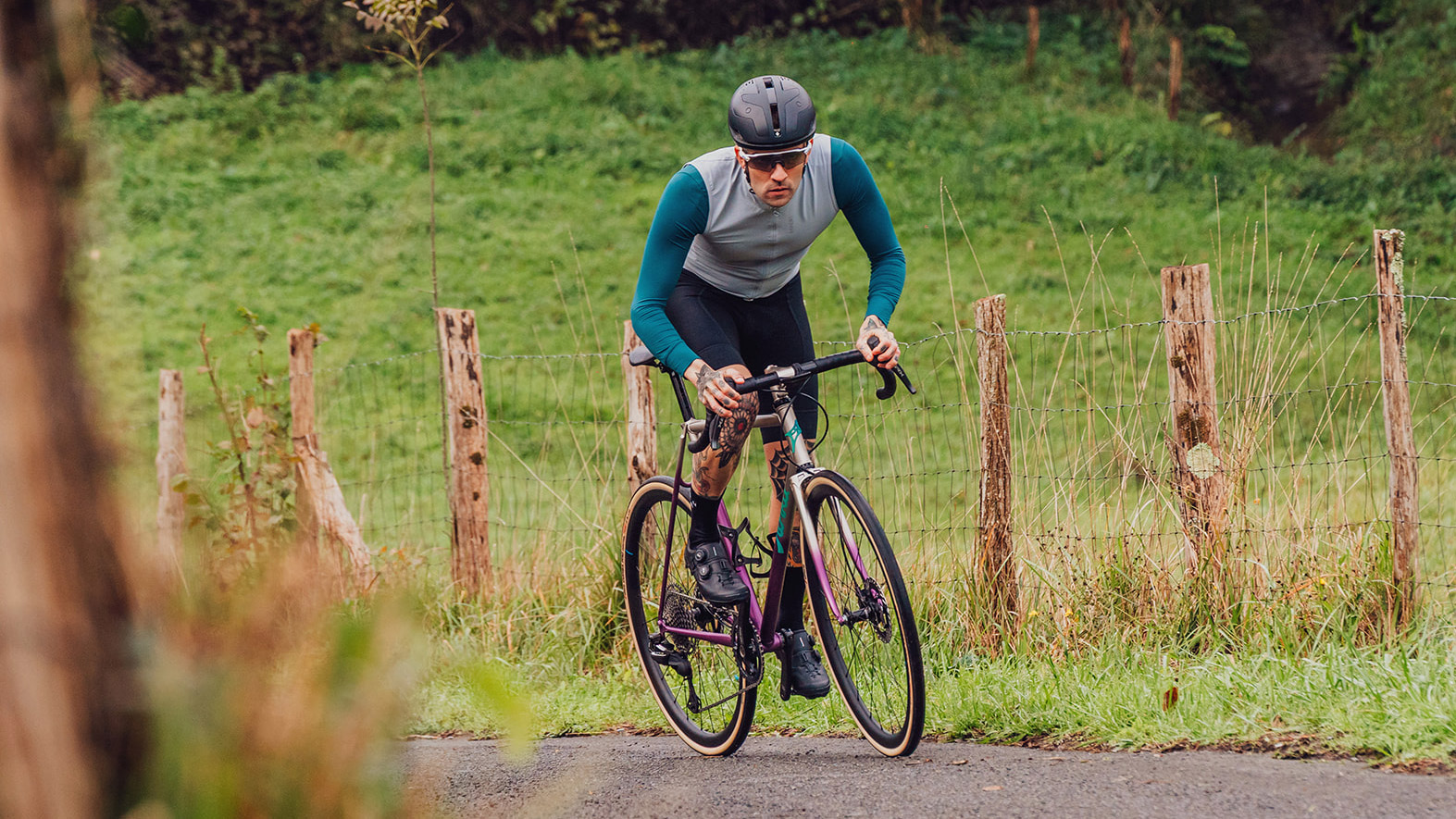
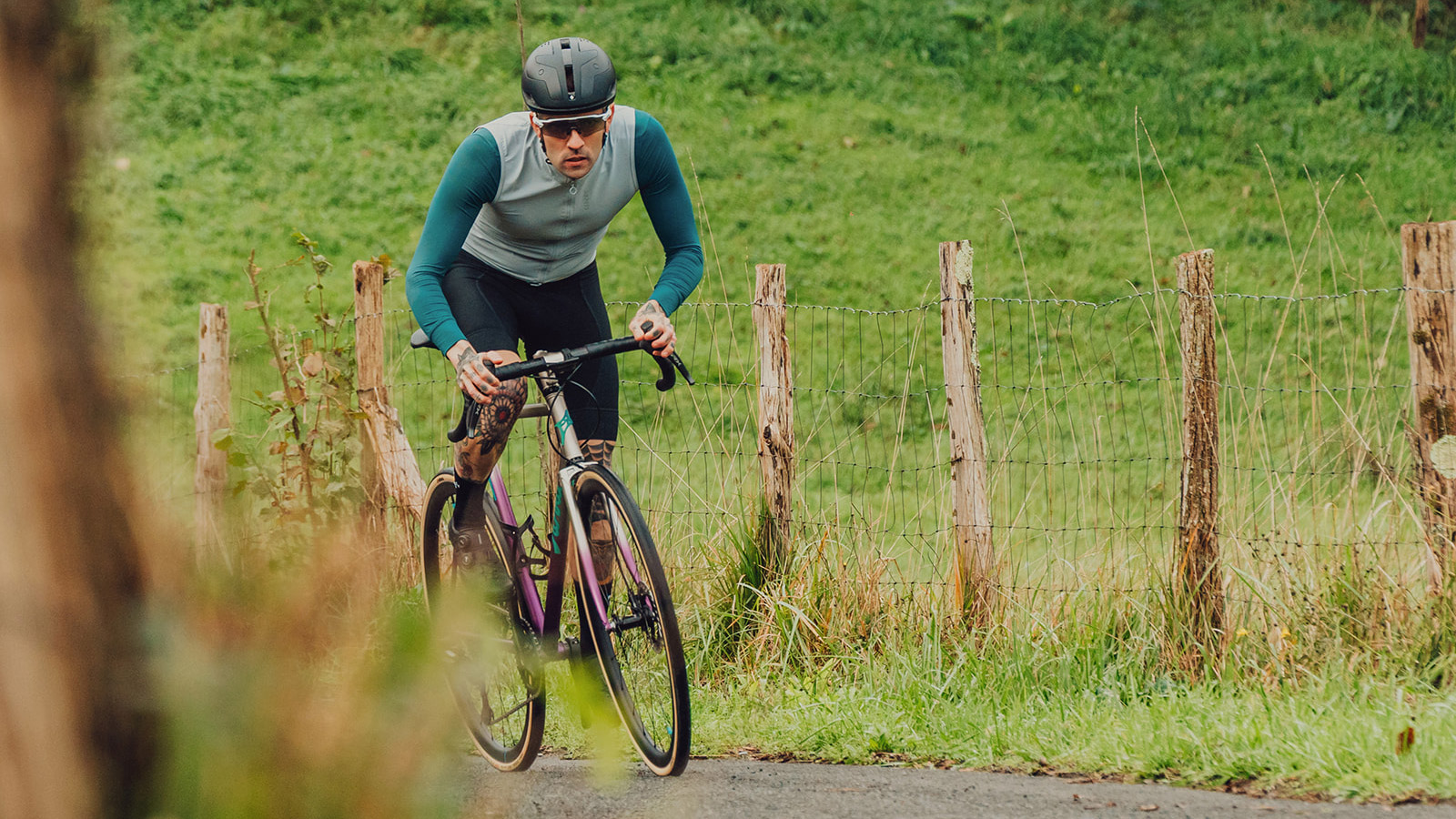
Norbert - My first impression of the ride was, honestly, quite aggressive, in the best sense of the word. The bike accelerates instantly and the handling is sharp and responsive. It has exactly the lateral stiffness you need to ride fast and with confidence, yet it remains remarkably comfortable. It filters out most of the road vibration, nothing like those concrete-like racing machines that leave you feeling beaten up. Over longer rides, especially on broken pavement and gravel roads, the bike really comes alive. It transmits the texture of the road without ever becoming harsh. After many hours in the saddle, the bike doesn’t disappear, but your body doesn’t feel punished either. It’s the kind of bike you could ride all day and still want to keep going.
Aesthetically, the clean lines and the paintwork give it a quiet elegance. It’s the kind of bike that makes you think twice about what you wear when riding it, not a piqué shirt, but something with the same understated refinement as the Pikee itself.
If you would like to find out more about Norka Bizi, head over to Norbert's website or follow him on Instagram.