Header image courtesy of Outsider Events
Caroline Livesey is a former Scottish National Gravel Racing Champion, current Guinness World Record holder for the North Coast 500 and an experienced ultra-distance racer. With her extensive knowledge and insight into the gravel racing scene, Caroline was the ideal person to explore what happened at this year’s British Gravel Racing Championships. Since becoming a British Cycling-accredited event, entries have reportedly fallen by 60%, while pre-event promotion was limited and there was no live-streaming coverage. So, what went wrong and what can be done to ensure the same issues don’t arise again next year?
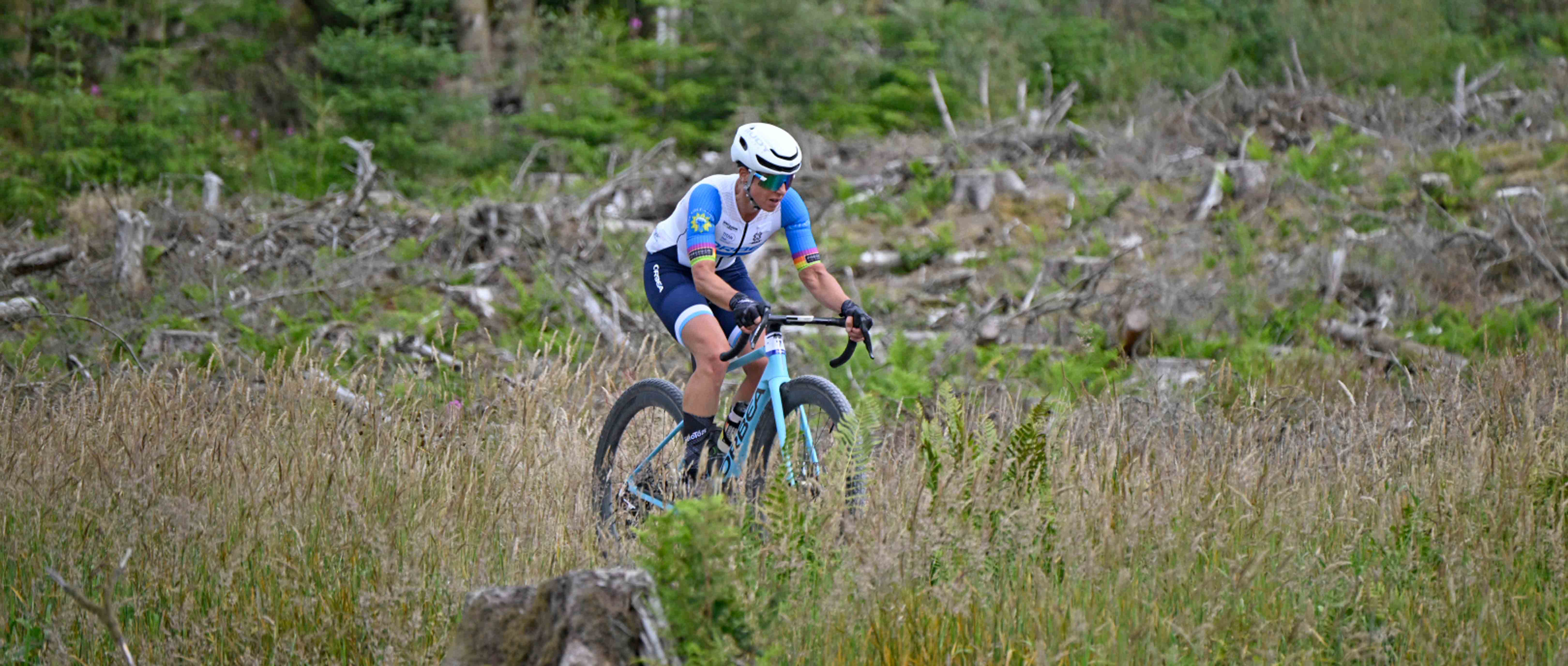
Image courtesy of Mark Livesey
I recently raced at the first British Cycling-backed British Gravel National Championships in Ae Forest in the Scottish Borders. Scotland delivered perfect weather, the course was fitting of a championship race and the organisers, Outsider Events, put on a great event, with elite, age-group and youth racing through the beautiful forest and surrounding moorland.
I enjoyed the event. But I left wondering what British Cycling had actually added.
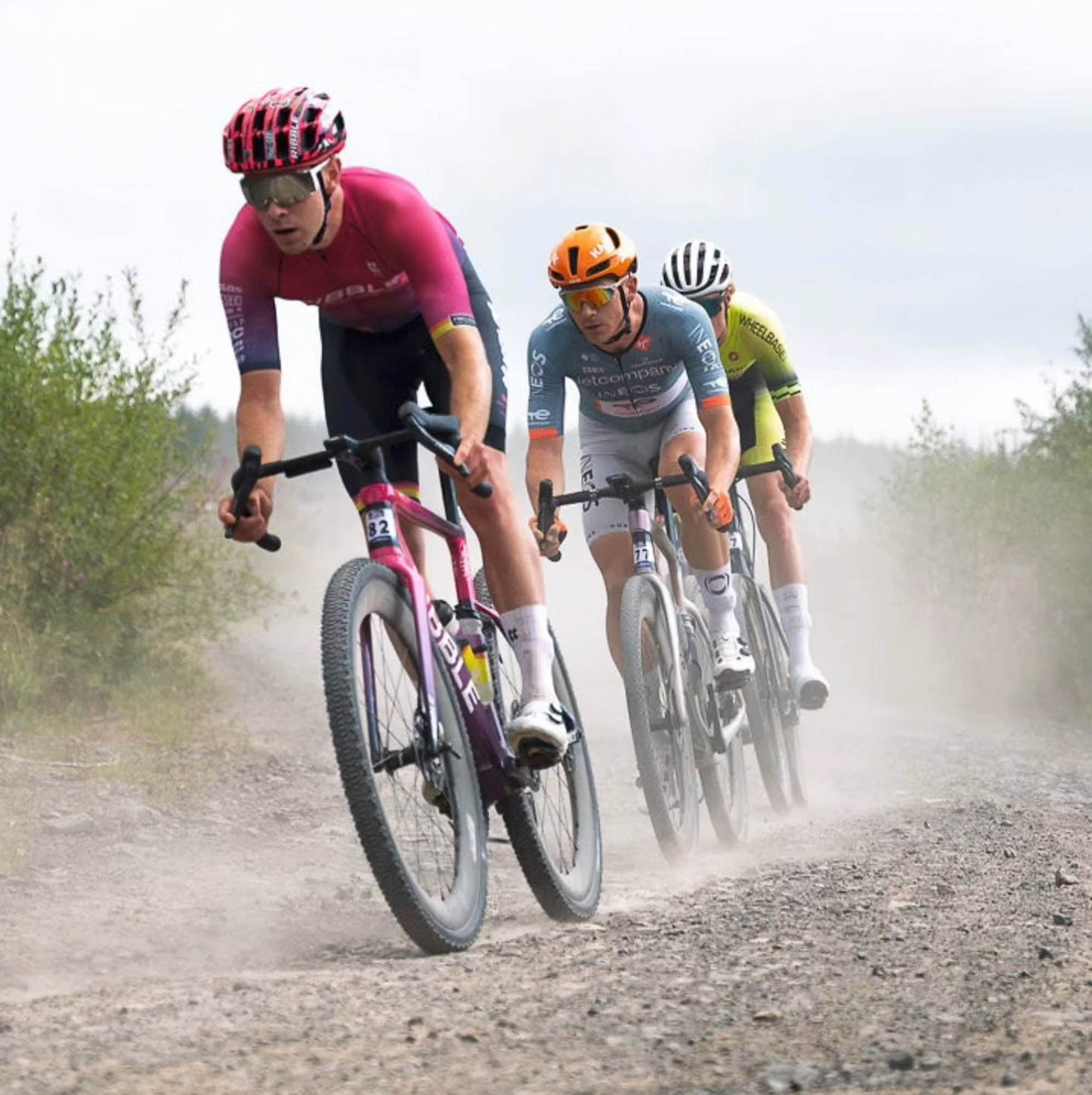
Image courtesy of Outsider Events
British Cycling's involvement should have been an important step forward. Instead, the event was significantly smaller than the previous year's unofficial championship, with far less media coverage, fewer brands in attendance and notably fewer entries.
The 2025 championship, run by Red On Sports, had 881 entries. This year's start list had 324, including 41 U16 riders who weren't part of the previous event. That's a drop of around 63 per cent, while women's participation was also roughly half what it had been.
That is difficult to reconcile with what is happening elsewhere in British gravel. I wanted to understand more about the reasons for the drop in numbers, so I spoke to Maximilian Wussler, founder of Red On Sports and Cameron Balfour, founder of Outsider Events, shortly after the race.
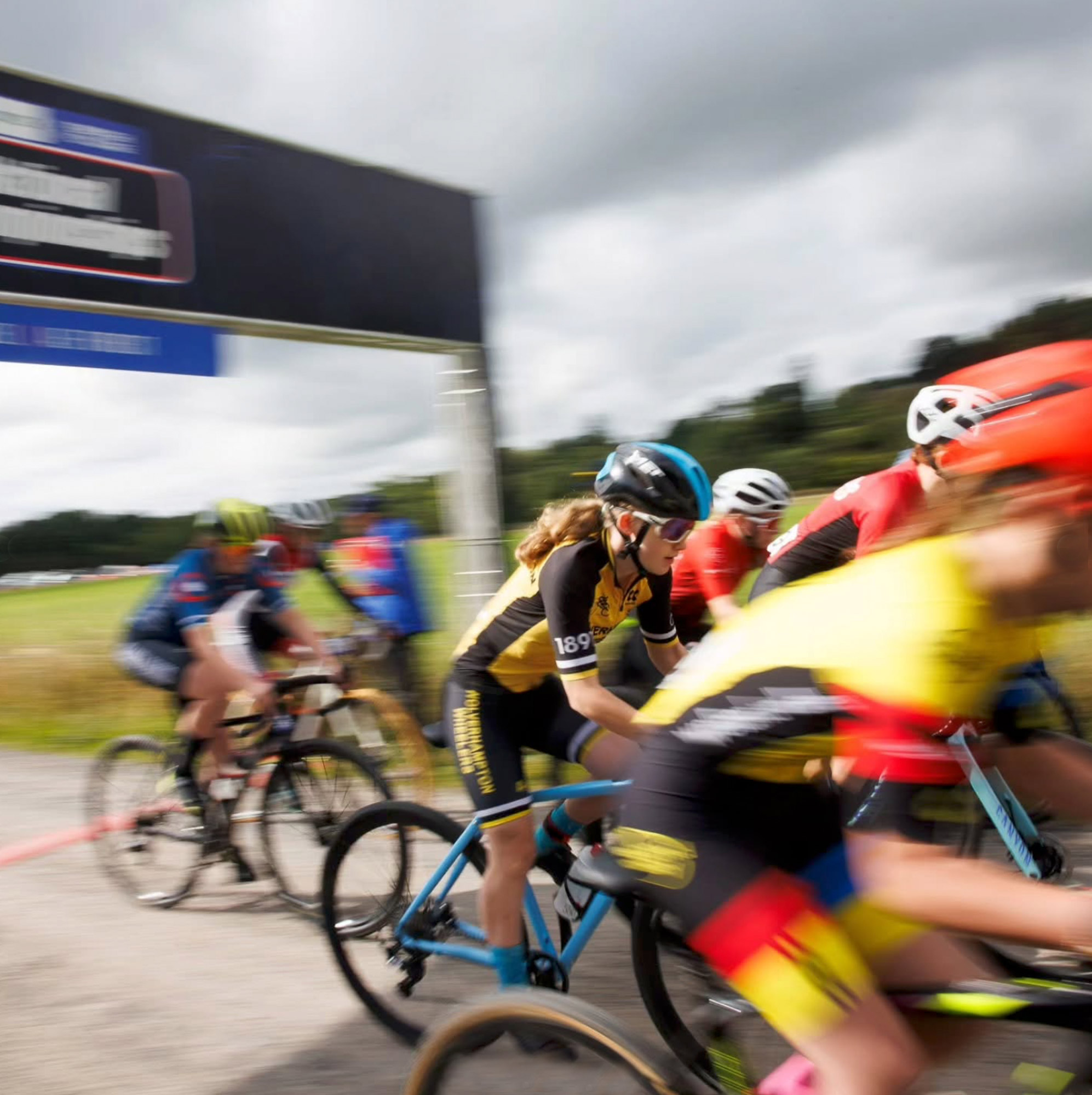
Image courtesy of Outsider Events
Cameron's view was that the biggest problem was a lack of promotion. Despite Outsider's best efforts, British Cycling hadn’t helped market the event to the age-group riders who make up the bulk of the field. Their online entry system also created additional barriers and was difficult for the organiser to manage and brand. There was perhaps even an assumption from British Cycling that riders who raced the Red On Sports championships would simply follow the event across to British Cycling.
That they didn't is not surprising. Riders need to know an event exists, understand what they are entering and have a reason to make the journey. But if British Cycling continues to award the championship on one-year contracts while expecting small independent organisers to build the audience, market the event and take the financial risk, I can't see the numbers improving.
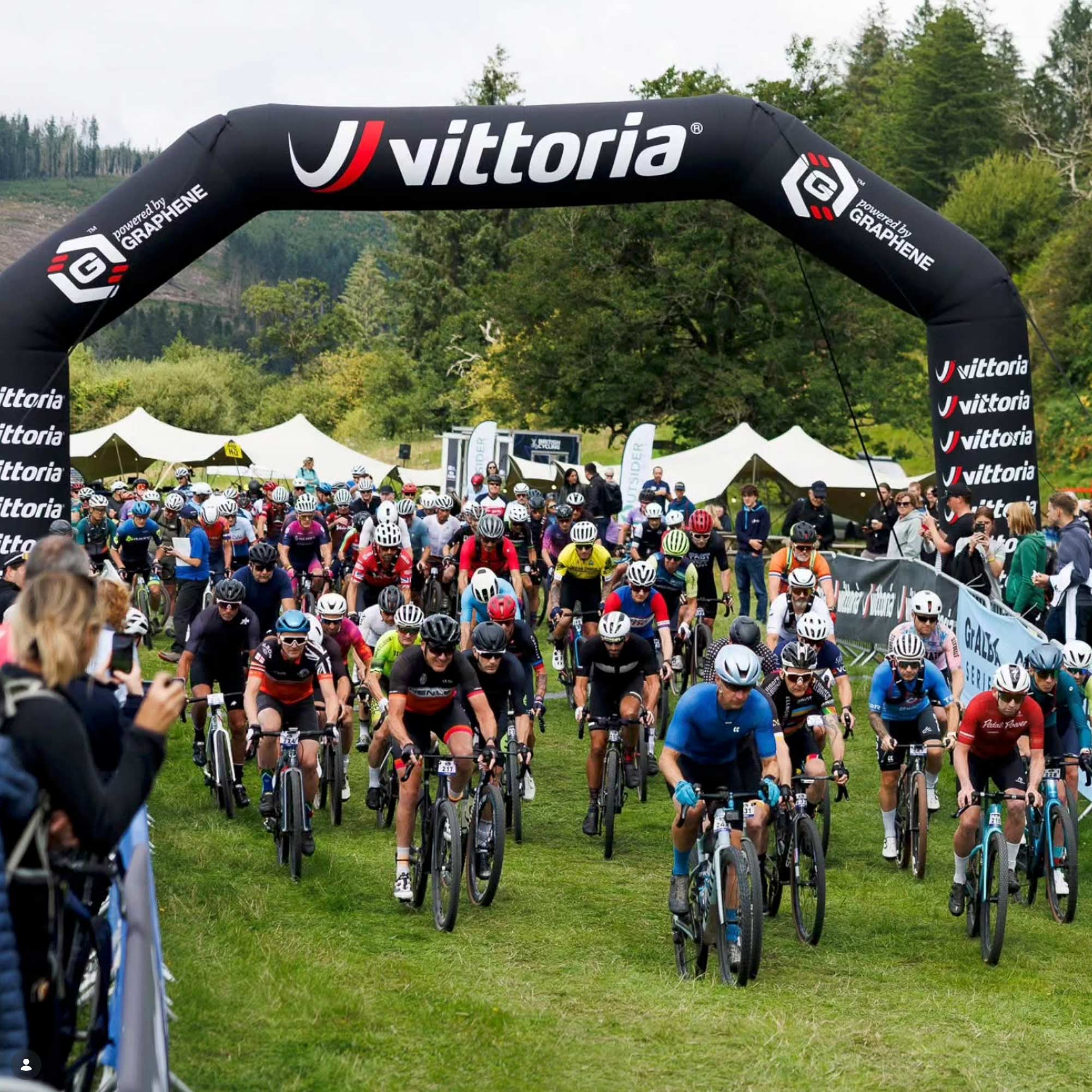
Image courtesy of Outsider Events
The British gravel racing scene doesn't need British Cycling to grow.
Both race organisers told me that they believe the British gravel scene is going from strength to strength.
There are now UCI races, national and regional championships, dedicated race series, sportives, enduros and ultra-distance events. Organisers are experimenting with different formats and festivals, creating more ways for people to get involved. Next year will see even more variety, with a multi-day stage race, Gravel North, launching in 2027.
Red On Sport's Gralloch is probably the best example. What started as a UCI Gravel World Series race has grown into a festival weekend incorporating the UCI race, sportives and an ultra-distance event. Max confirmed that entries have grown from around 900 in 2023 to 3,000 across the different disciplines this year. Around half of those taking part in the sportive events said it was their first event of that type.
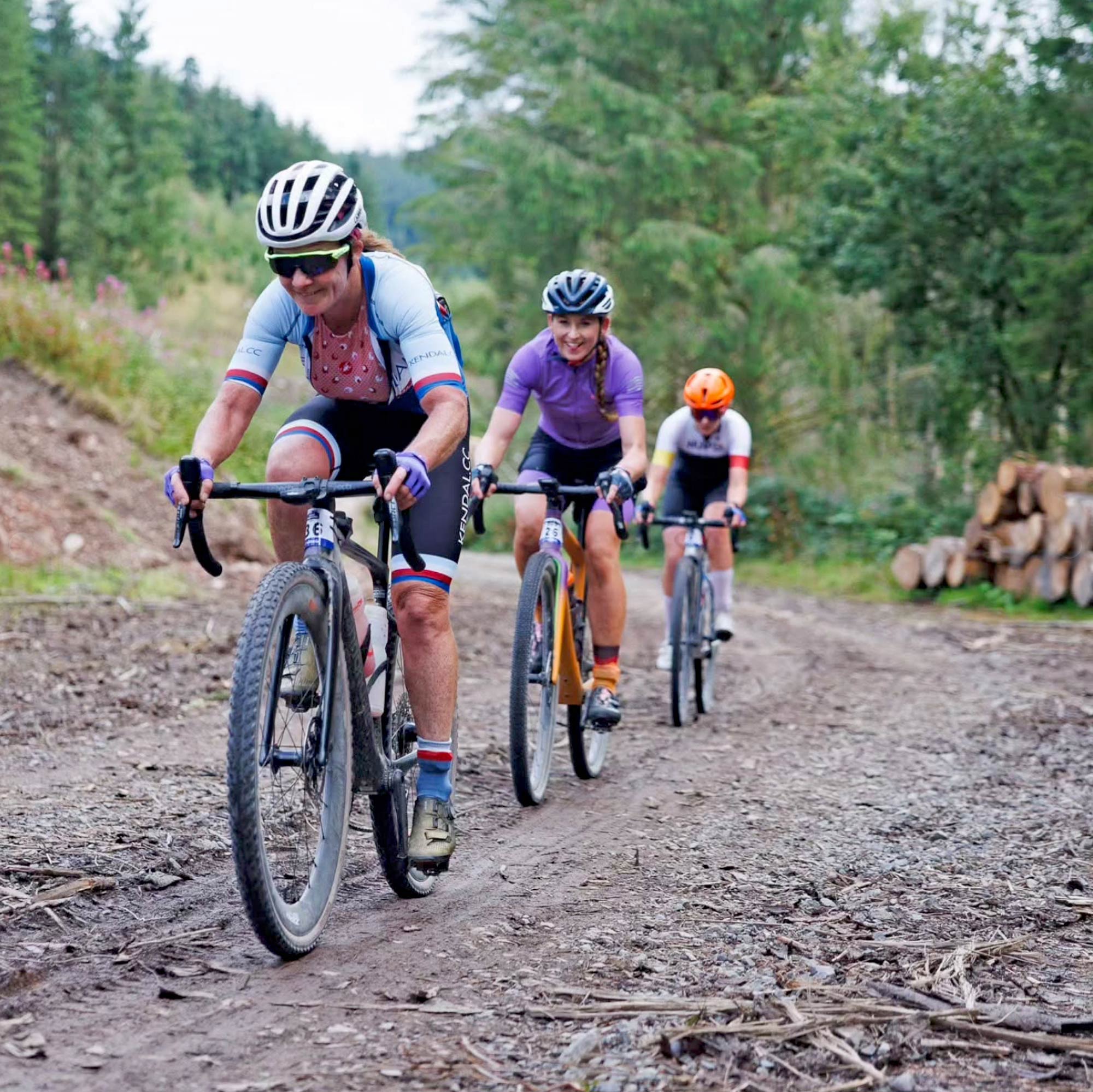
Image courtesy of Outsider Events
They had been seeing similar growth in their British Gravel Champs race, investing in live coverage in 2025. Their vision for the championships was big and exciting, yet British Cycling did not want to work with them for the 2026 race.
Instead, Red On Sports has launched Explorr in Royal Deeside, deliberately doing something different rather than simply replicating The Gralloch. The 120km gravel event uses timed sections, mountain and sprint classifications to keep it exciting for different types of riders. Gravel running has also been integrated into the festival, alongside talks, music and other attractions.
Outsider is seeing similar trends. Cameron told me that their more accessible, festival-style events are attracting riders who may not initially consider themselves racers. This year they introduced a £10 "Discover Gravel" ride at their Muc N Mac festival, aimed at encouraging women to do their first group gravel ride. Many subsequently entered one of the competitive events.
Images courtesy of Mark Livesey
But there are also growing pains with this booming sector of cycling. The biggest challenge now is making sure the growing number of events complement rather than compete with each other. Many smaller gravel races attract fewer than 100 riders despite being excellent events. Cameron believes the market is becoming saturated, and that better communication between organisers and more sensible scheduling will be important as the sport matures.
Cameron wants to set up a UK Gravel committee for organisers to share knowledge and deconflict, which could also help bring some consistency to formats and rules for competitive racing.
Is it down to the organisers to organise themselves like this, or isn't that where a governing body would be useful?
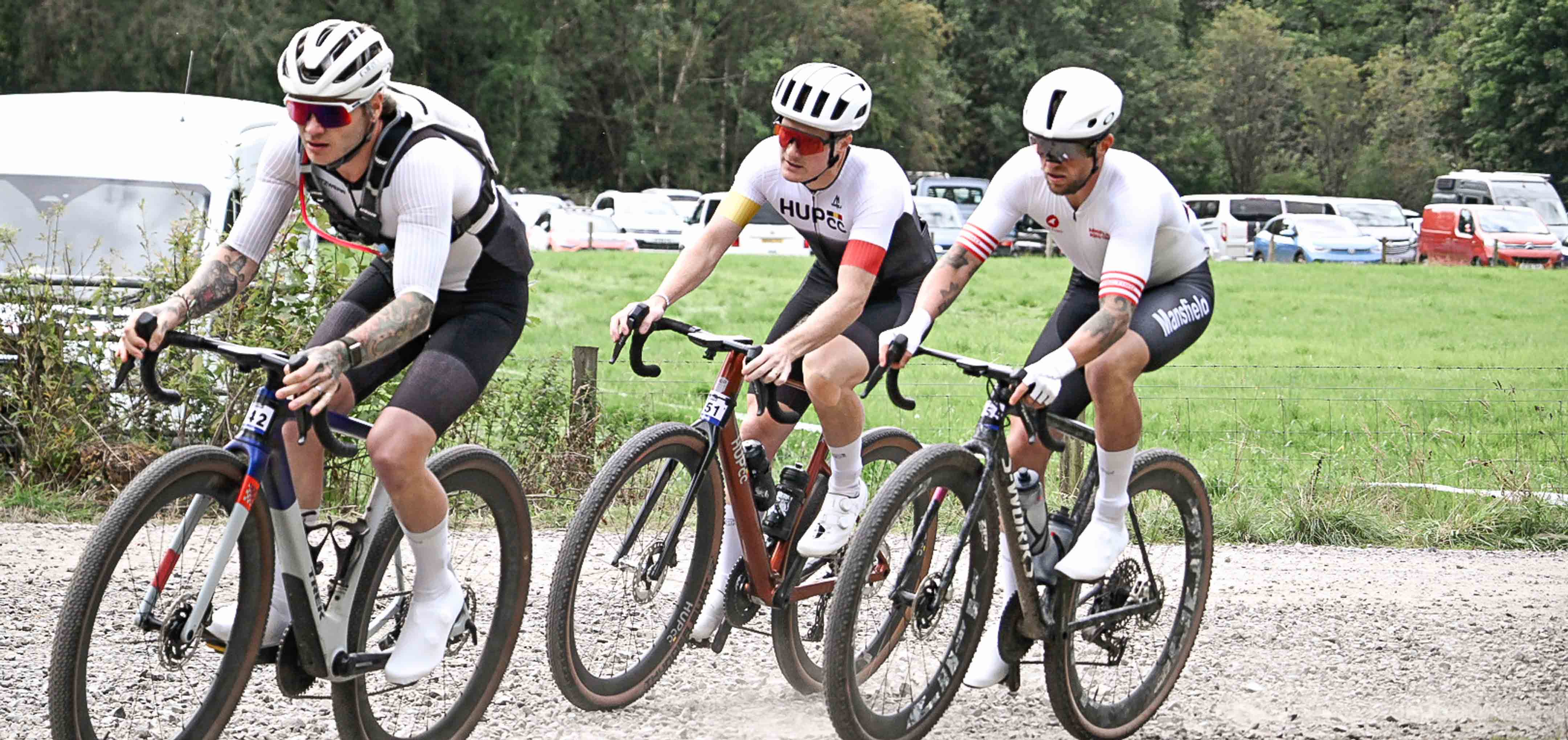
Image courtesy of Mark Livesey
British Cycling’s vision
British Cycling’s vision is to inspire more people to enjoy riding their bikes, whether for sport, recreation or transport. It also says one of its strategic priorities is to support and grow the sport and make cycling more inclusive and accessible. Gravel is doing exactly that.
It is bringing new people into off-road riding, creating accessible entry points into racing and encouraging riders to explore parts of Britain they might otherwise never go to. The growth in this sector is already happening thanks to dedicated and passionate independent organisers. British Cycling's opportunity is to help accelerate it, not simply put its name on a championship.
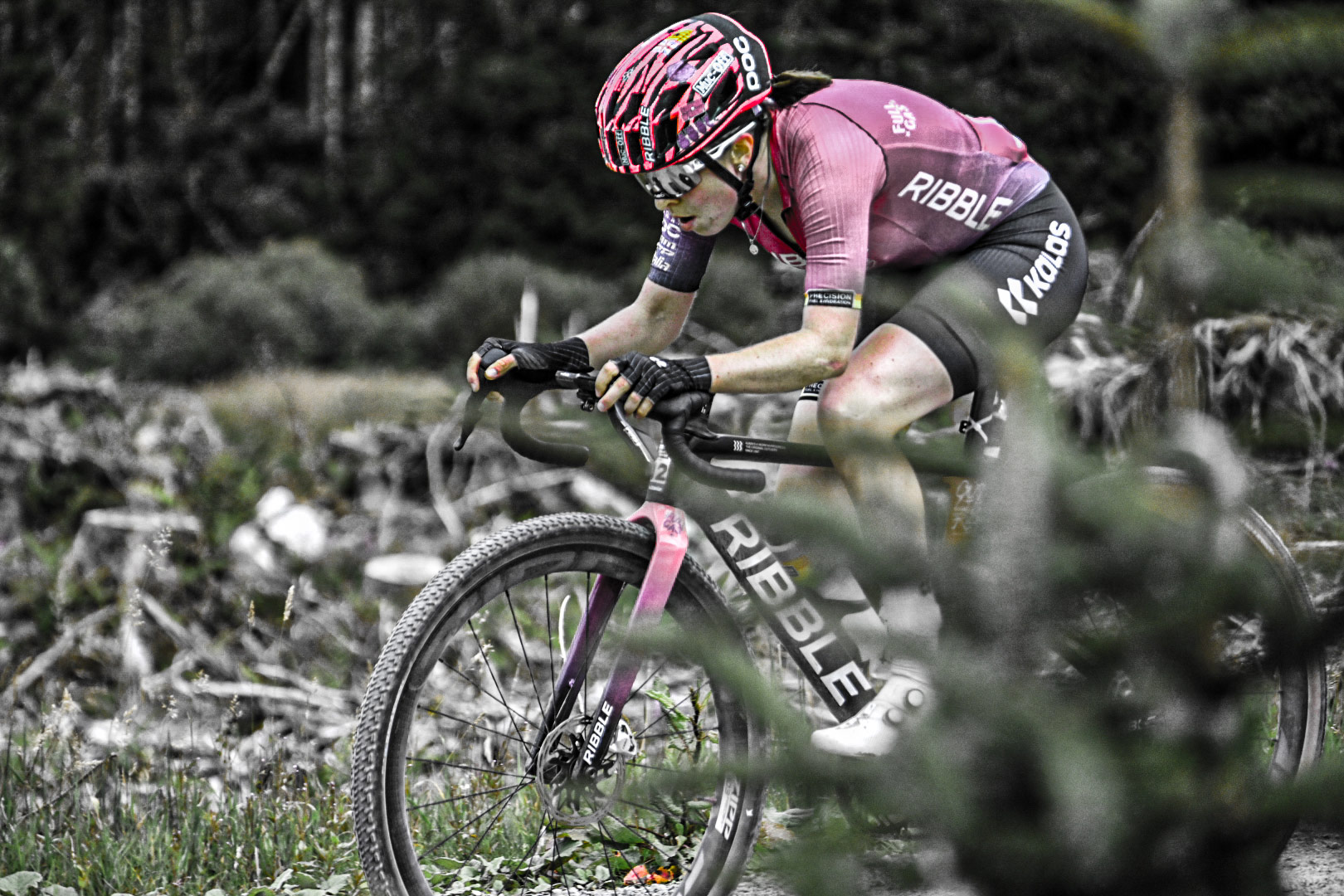
Image courtesy of Mark Livesey
Scotland has something special
The British Champs did do one thing brilliantly, though: it brought people to Ae Forest and showed off Scottish gravel at its finest. Scotland is particularly well placed to benefit from the growth of gravel. The combination of forestry tracks, estate roads, bridleways and huge areas of accessible countryside provides an enormous amount of riding. It is no mistake that many events are based north of the border.
But riders are not just coming to race; Scotland is now being talked about as an international gravel destination. Max told me that Red On Sports asks Gralloch riders whether they return to the area outside race week specifically to ride. A massive 40 per cent say they do. Gravel can therefore provide benefits to local communities through returning tourism, while demonstrating the potential of the area as a cycling destination.
There is enormous potential to develop that further. Cameron shared that Dumfries and Galloway Council provided much-needed financial support for the British Championships, which was especially important as British Cycling did not.
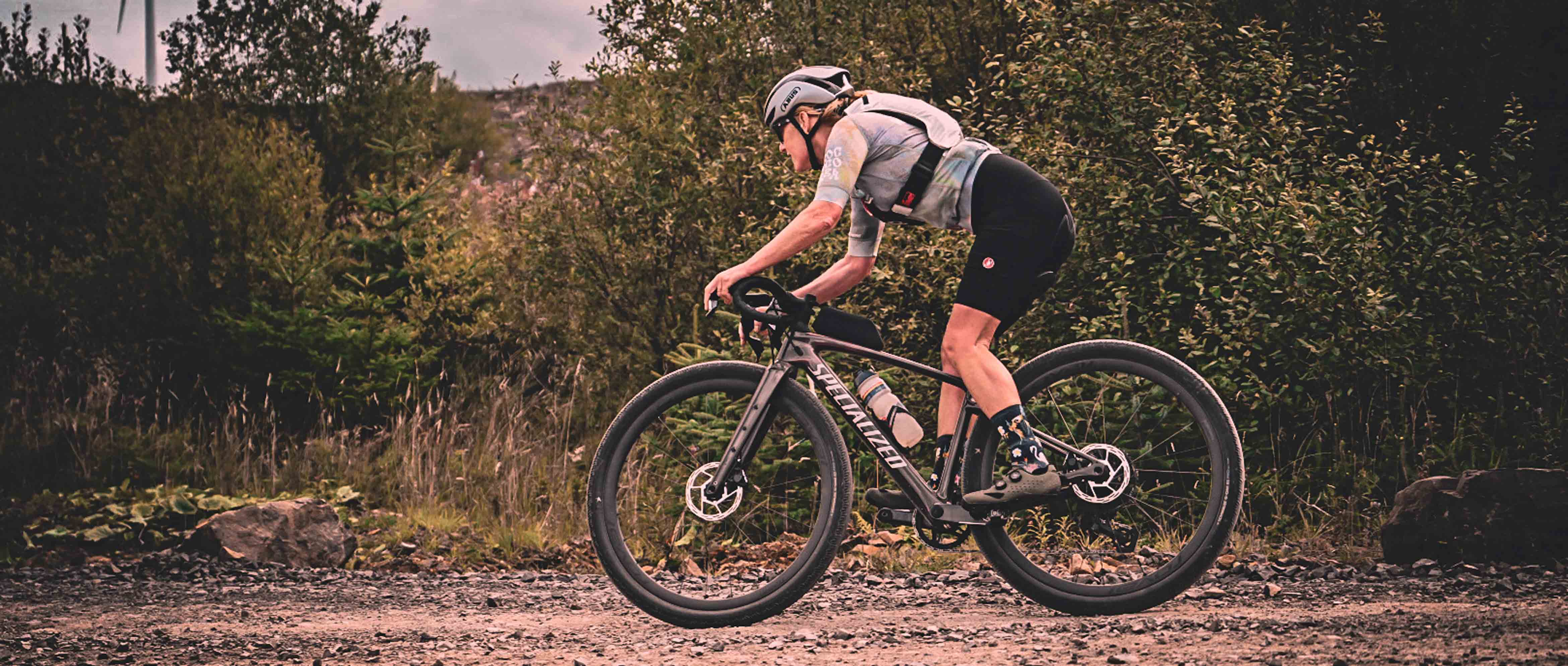
Image courtesy of Mark Livesey
So what should British Cycling be doing?
The problem with this year's Championships wasn't the course, location or organisation. The drop in numbers was mostly due to a lack of visibility around the event. For a national championship to become an event that riders want to attend every year, British Cycling has to do more than sanction it. It also needs to promote it, especially if it continues to award only one-year contracts to race organisers.
The National Championships should be the flagship event of British gravel racing, while also providing an opportunity to bring riders from other disciplines into gravel. At European and World Championship level, elite road and mountain-bike riders regularly compete for gravel titles, bringing new audiences and attention to the sport. But that requires investment and visibility.

British Cycling shared only one post about the gravel championships and accepted only one collaboration with Outsider Events in the months leading up to the event. They didn't send any media representatives to the event and shared nothing on social media during the weekend of racing itself.
So I am left feeling that the British Gravel Championships took a big step back, not forwards as the gravel community hoped it would. Official recognition simply made the event more bureaucratic without making it more visible.
British Cycling needs to decide whether it really wants to help build the flagship event that the thriving British gravel racing scene deserves. If they are true to their vision to get more riders out on bikes, then British Cycling needs gravel more than gravel needs British Cycling.
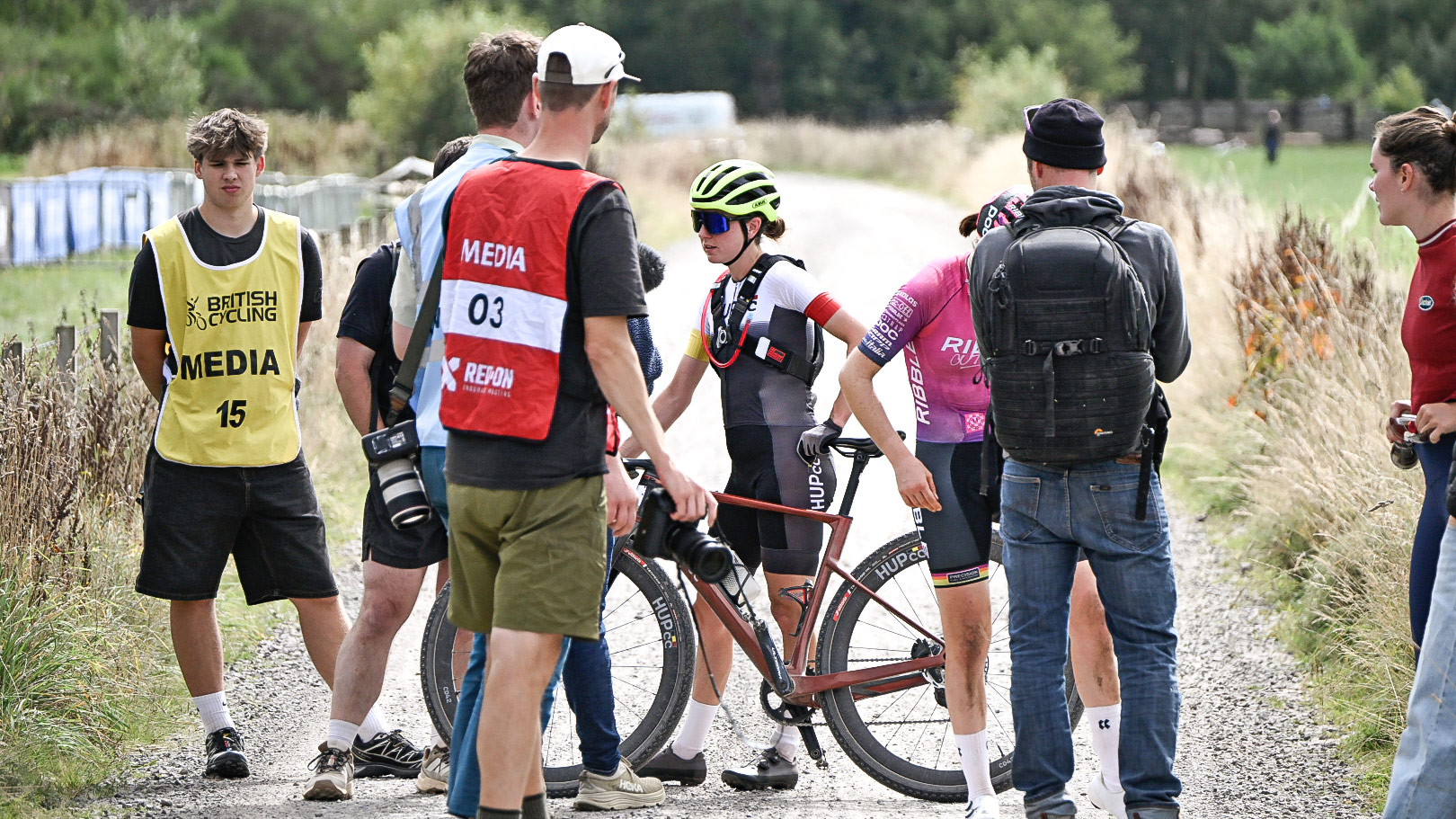
Image courtesy of Mark Livesey
We invited British Cycling to provide feedback on the article, and a spokesperson for the organisation said:
"The growth of gravel cycling in Britain over recent years has been hugely positive and is a testament to the passion, innovation and commitment of riders, organisers, volunteers and communities across the country. British Cycling's ambition is simple: to help more people enjoy and participate in gravel cycling, while supporting opportunities for those who want to compete at every level of the sport.
We recognise the important role independent event organisers have played in the development of the discipline, and we are committed to working collaboratively with organisers, clubs and riders to help gravel continue to thrive. As the national governing body, our role is not to own the discipline, but to help create the conditions for sustainable growth by supporting participation, developing competitive opportunities and working with partners across the sport.
Gravel represents one of the most exciting and fastest-growing areas of cycling, and we are focused on supporting its long-term growth, from grassroots participation through to national and international competition."