If your passion for cycling extends beyond ‘just’ gravel and you follow World Cup downhill MTB racing, you may have noticed that many of the sport’s top racers have been fitting Tuned Mass Dampers (TMDs) to their bikes over the past couple of seasons. Designed to reduce the vibrations transmitted through the bike to the rider’s hands, arms and shoulders, TMDs have quickly become almost commonplace at the highest level of downhill racing. Earlier this year, Rimpact, the leading manufacturer of TMDs, launched a version specifically designed for gravel bikes. Our Chief Engineer, Graham Hatt, donned his hard hat and lab coat and headed out onto the gravel trails to find out whether the additional weight and cost of a TMD could deliver meaningful benefits for gravel riders. Is a TMD worth adding to your gravel bike? Read on to find out what Graham discovered.
When I reached my 60th birthday, I thought I’d treat myself by building up my dream gravel bike. I started with a modern, full-carbon frame from AF (Assisting Force), bought directly from China and I paid an extra $300 for the SSL version (which weighed just 830g), saving 150g vs. the regular version. I added the new 2x12 Shimano GRX Di2 groupset and a pair of shiny new carbon wheels. The frame came with carbon forks and an integrated one-piece carbon handlebar/stem assembly.
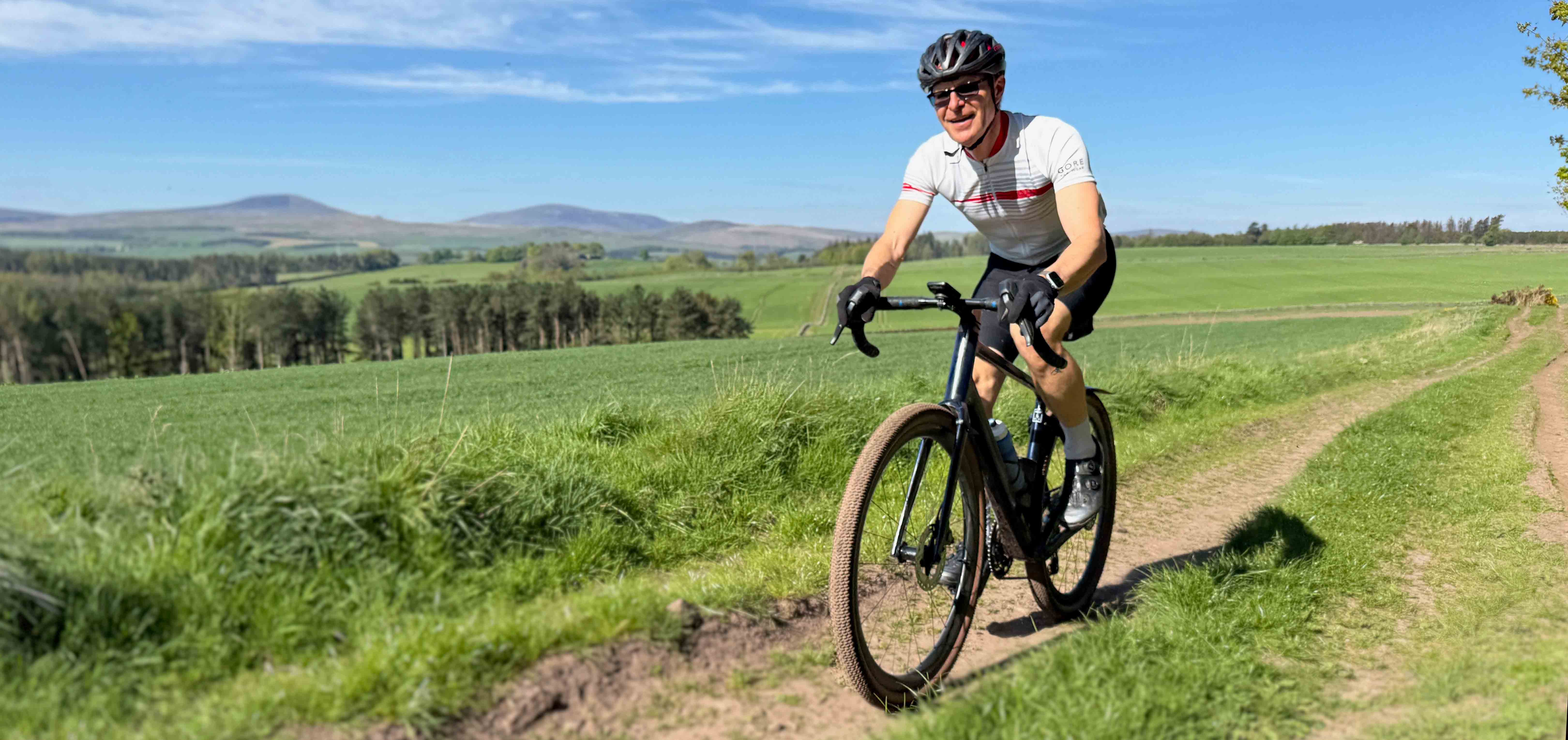
The bike was amazing - it was light, fast and it looked fantastic. However, I did notice that the handling didn’t feel quite right, particularly when riding fast, rough, off-road descents. I’d get quite a lot more judder and chatter than I was used to with my previous gravel bike. At times I found using the brakes on a descent made the handling even worse, which led to a few fairly sketchy and out-of-control situations. I came to the conclusion that the front end of my new bike was just too stiff and I needed to add some extra compliance. The issue was that unless I took the expensive decision to replace the integrated one-piece handlebar setup, my options were limited. There are gravel-specific suspension forks which offer 30-50mm of travel, but they didn’t really suit the build of the rest of this bike and they all come with a significant weight penalty. It was then that I was offered a Rimpact Tuned Mass Damper (TMD) Gravel to test out.
A TMD is basically a weight connected to a structure via springs and hydraulic dampers. It operates as a counterweight that pushes back against any movement in the thing it is connected to. The technology dates back over 100 years and was initially used to stabilise massive structures like skyscrapers from excessive movement under wind load. The Taipei 101 skyscraper, as an example, uses a 660 Tonne steel ball within its TMD to reduce swaying in high winds.
The connection to cycling is more recent and its roots can be traced back to Formula 1. Renault used TMDs in their R26 F1 car during the 2005 and 2006 seasons. Mounted in the nosecone, it helped their racing driver Fernando Alonso corner more aggressively over curbs by increasing stabilising downforce and grip. Having a TMD fitted reportedly improved lap times by up to two seconds depending on the circuit. Unfortunately, it was banned by the governing body of the sport, the FIA, in mid-2006 after they classified a TMD as a ‘movable aerodynamic device’ which wasn’t permitted under the strict regulations governing F1 car design and construction. Fast forward to the 2020s and TMD technology has been widely embraced by elite downhill World Cup mountain bike teams to reduce trail chatter and improve handling.
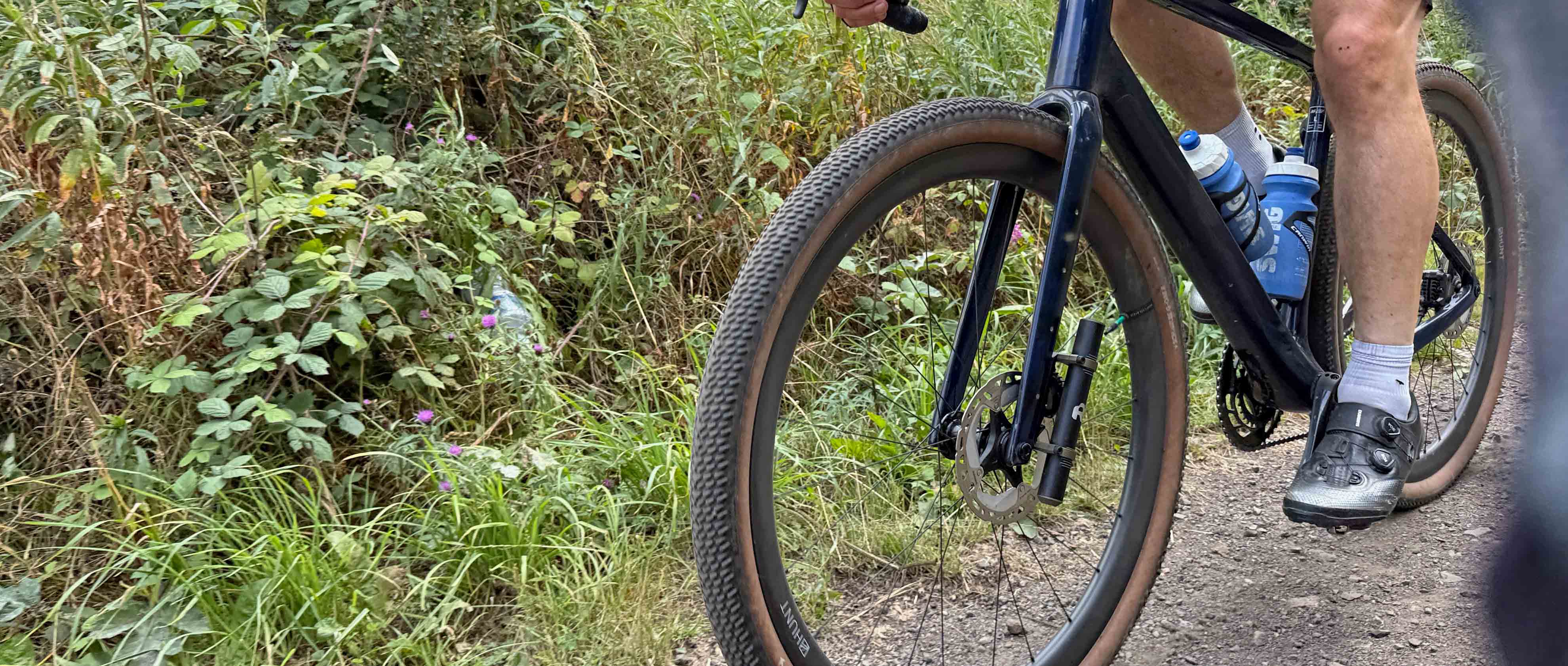
(Very long) Editor’s note - Before Graham received his TMD Gravel to test, we had a long conversation with Matt Shearn, one of the co-founders of Rimpact, to get some insight into the company and how their TMD came about. Matt told us that Rimpact first started working on a TMD back in 2020, but the design team soon realised that directly copying a F1-inspired device was impossible due to the differing requirements for a bike-related product – weight and space constraints, for example, meant that any TMD device aimed at the cycling world had to be significantly lighter and smaller. Originally, Rimpact assumed that the mass would oscillate at the same natural frequency as the vibration it was subject to and that it would cancel that oscillation in the conventional TMD sense. However, testing showed their TMD reduced vibration across a wide range of frequencies and the effect wasn't dependent on tuning to a particular frequency.
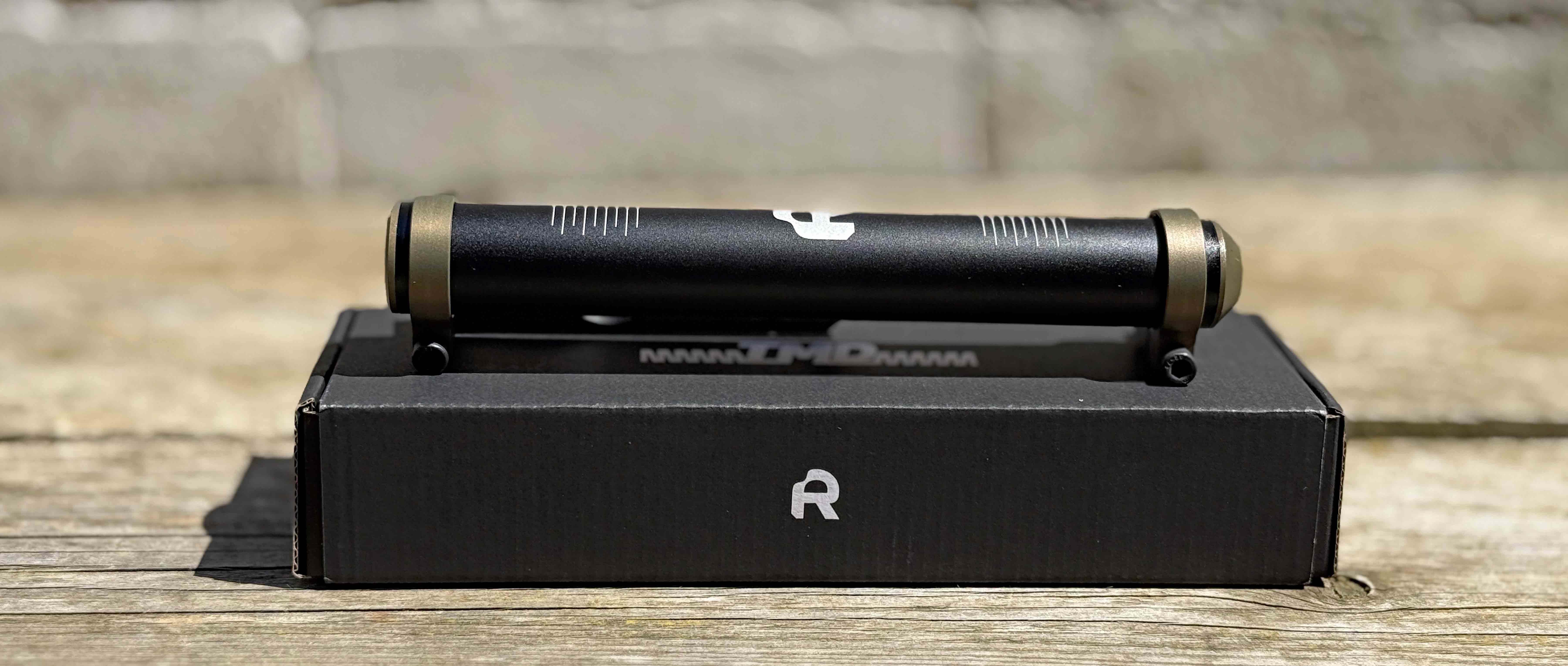
They also realised that their TMD wasn’t technically functioning as a traditional tuned mass damper, but that it was actually an energy-delay device. Instead of cancelling vibration, their TMD delays the transfer of impact energy from the front wheel to the rider, reduces the initial peak force reaching the handlebars and spreads that force over a longer period. This creates a softer-feeling impact rather than reducing the total amount of energy. Rimpact use the analogy of a crumple zone on a car to explain how their TMD works in simple terms. Rather than stopping an impact instantly, a crumple zone slows the deceleration, spreads it over time and makes the impact feel less harsh and this is exactly how their TMD works.
After extensive development, Rimpact simplified their TMD design. Instead of trying to create a perfectly tuned oscillator, they focused on fitting as much moving mass as possible into the available space, allowing that mass to travel its full stroke and using springs simply to control the movement and prevent harsh bottoming-out. The springs are there to manage the movement rather than create the damping effect. Fortunately, Rimpact’s testing showed that this simplified mechanism delivered around 95% of the performance of the more complex prototypes. This allowed the finished product to be lighter, easier to manufacture, easier to fit and, importantly, more commercially viable.
Rimpact’s initial version of the TMD was aimed at mountain bikers who raced downhill and was designed to be fitted inside the steerer tube of a set of suspension forks. The TMD Gravel, on the other hand, as the name suggests, is aimed at gravel riders and bikepackers. Matt told us that they are aiming their TMD at riders who ride gravel bikes aggressively, regularly tackle rough trails or singletrack, value control and comfort over absolute weight and/or enjoy bikepacking or ultra-distance riding. Matt sees bikepackers and long-distance touring cyclists as a growing market because fatigue reduction becomes more valuable over consecutive days. He also said that touring bikes already carry significant luggage, making the additional 400g relatively insignificant and that the fork-mounted design of their TMD leaves cockpit space free for bags.
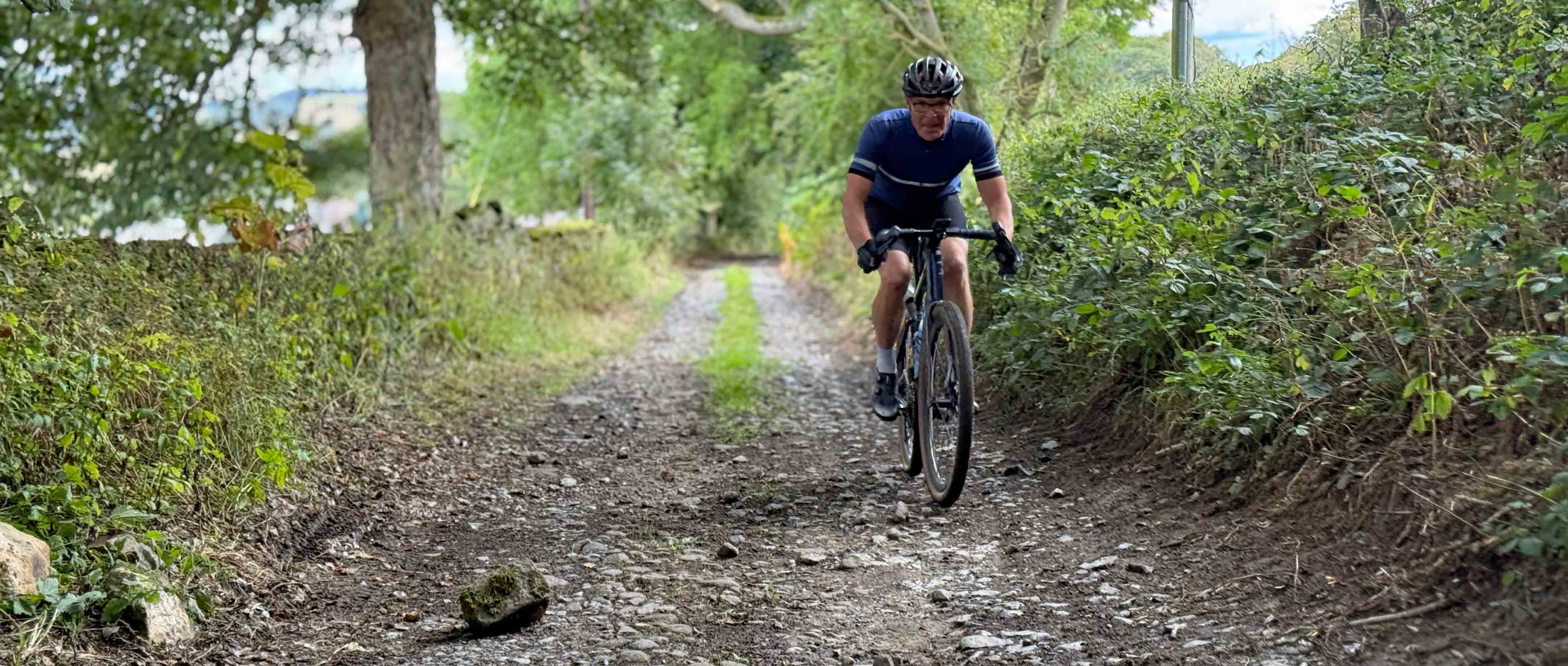
Matt told us that Rimpact see four main benefits of their TMD for mixed-surface riders:
- noticeably less fatigue over long rides
- reduced hand and arm vibration
- greater confidence on rough terrain
- smoother control when riding beyond normal gravel conditions.
So, the question is – does the Rimpact TMD Gravel live up to their claims? Graham continues his story:
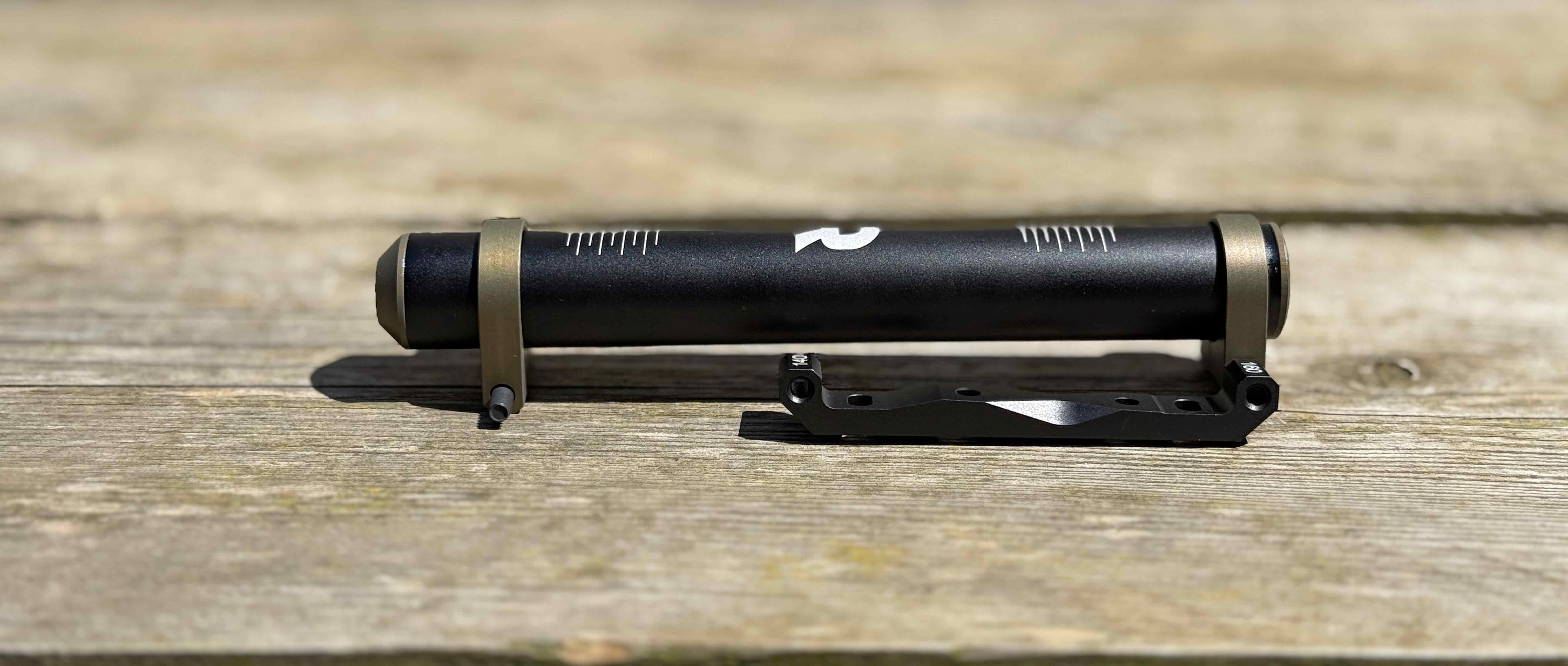
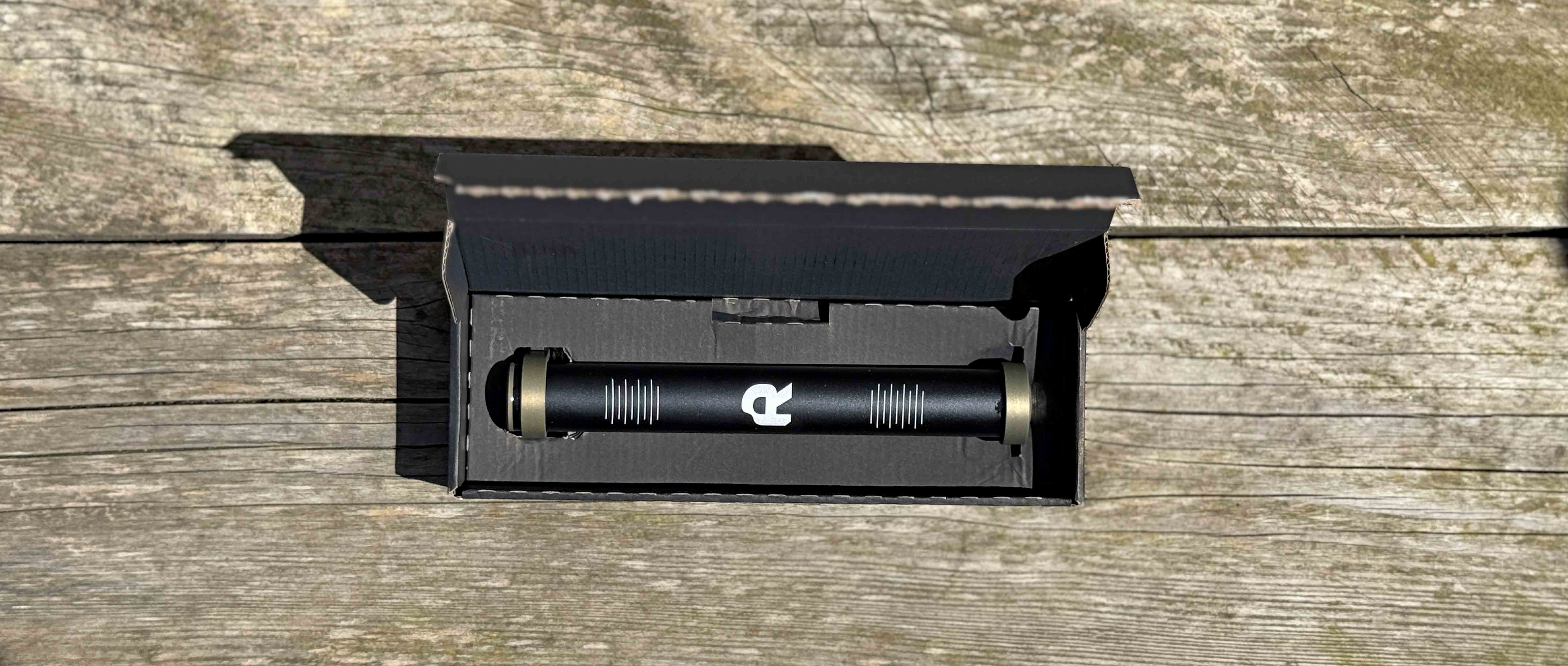
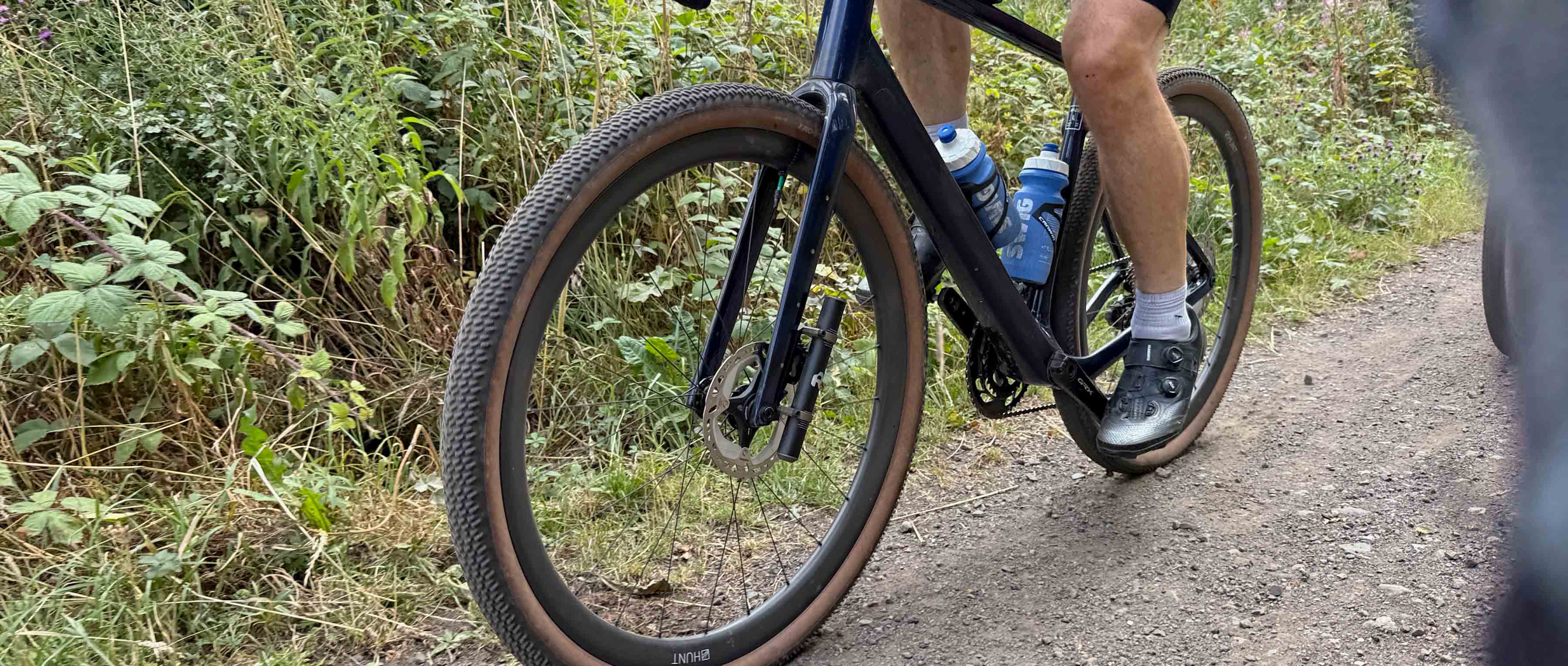
The TMD Gravel costs £230 and weighs 450g. My first reaction was to question whether a 3% reduction in impact force was enough to justify the significant additional weight (half the weight of my gravel bike’s frame!) and the cost. It made little sense to me that Rimpact were claiming such a small reduction. I therefore approached the testing process with a degree of scepticism.
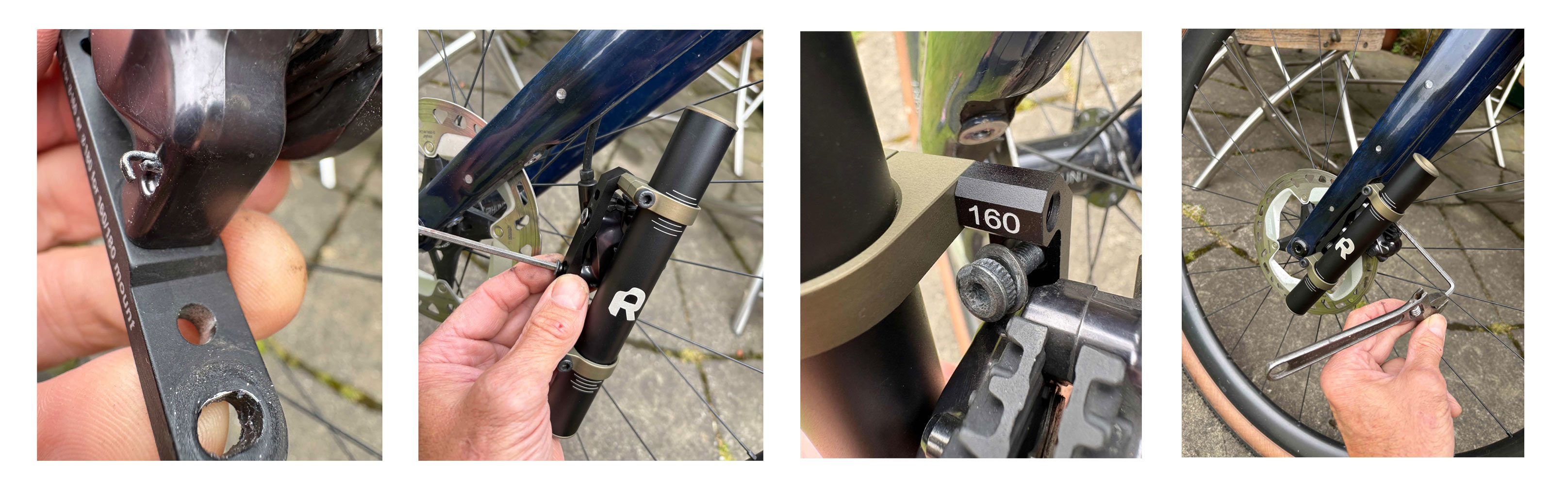
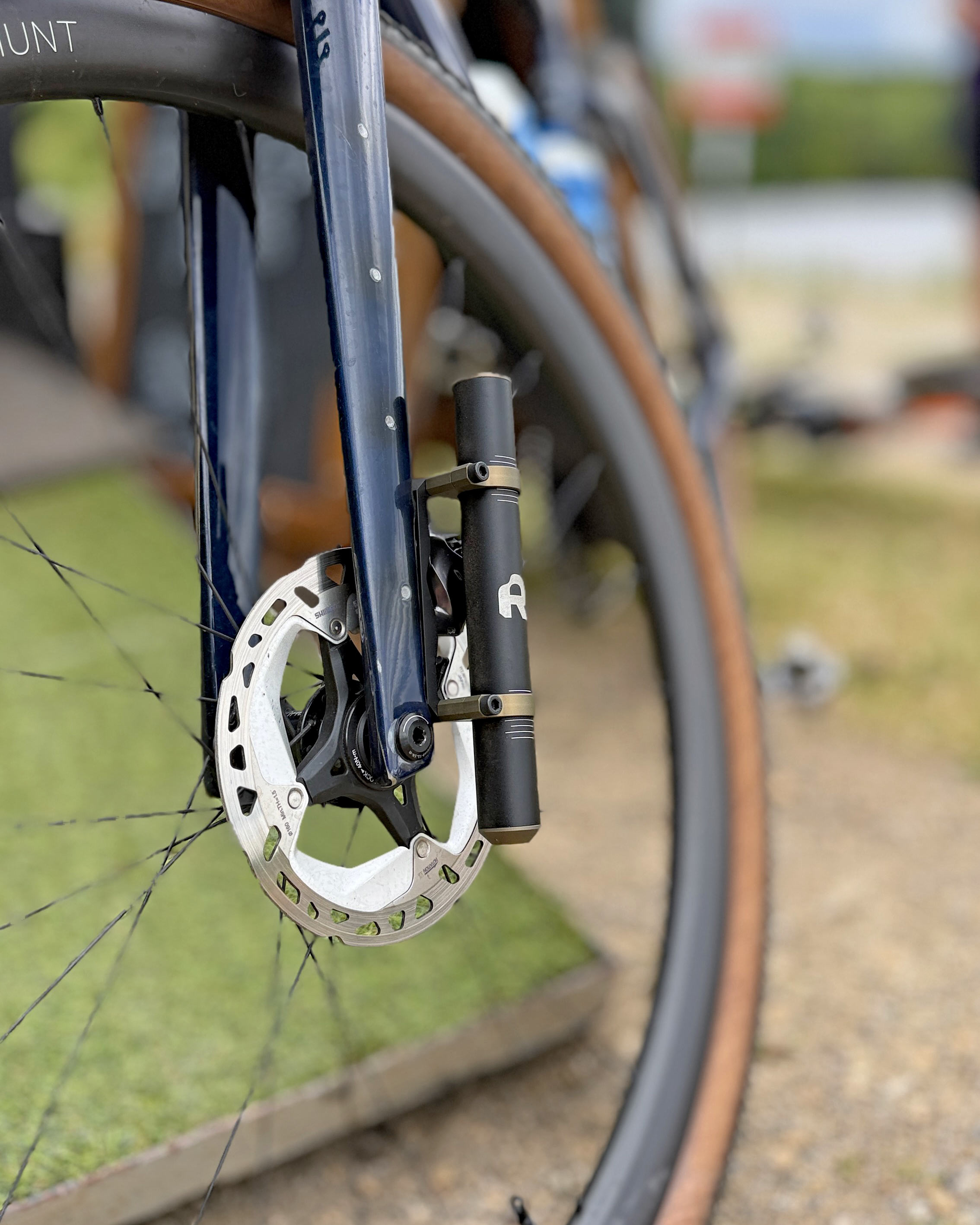
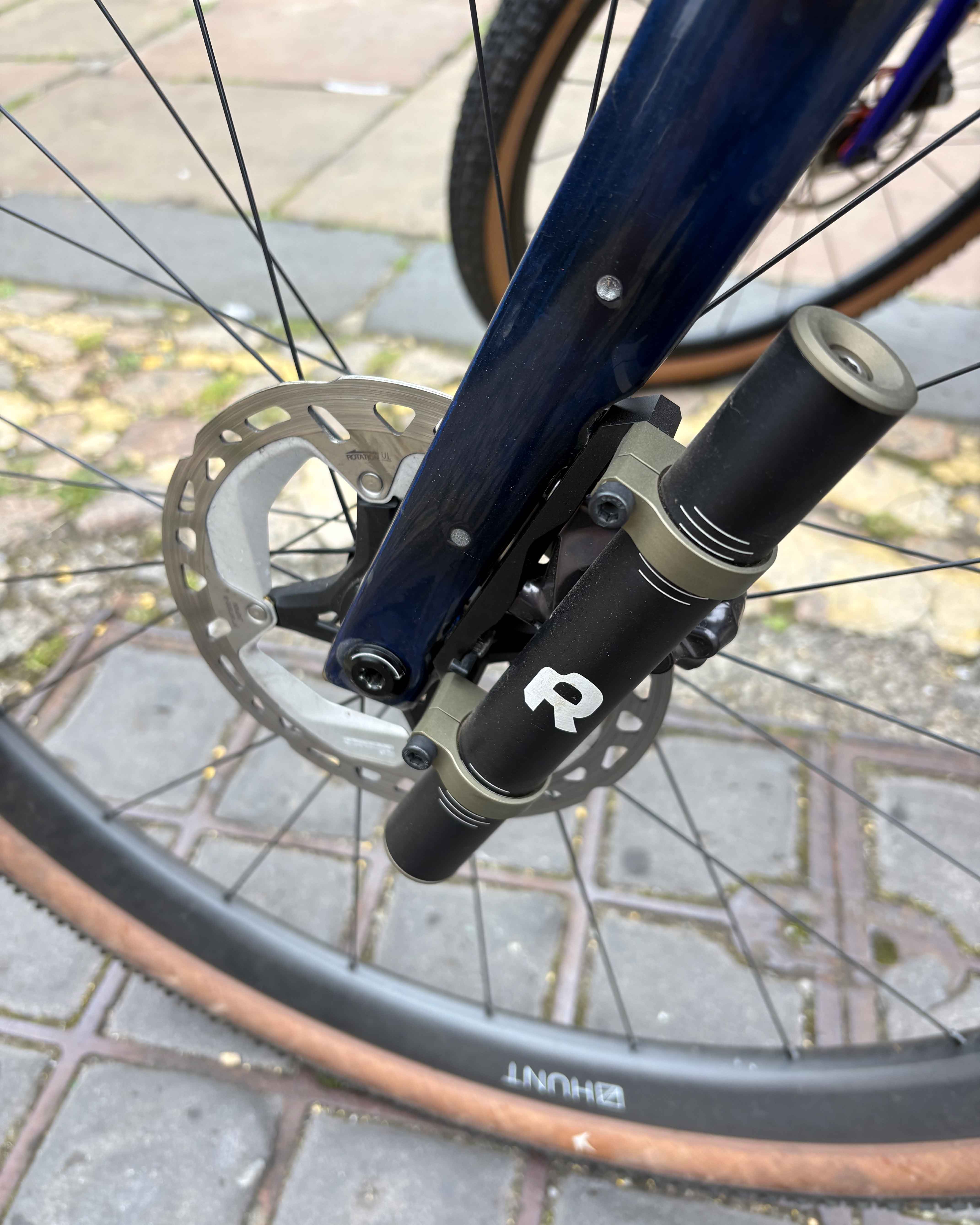
The installation was relatively straightforward as the TMD replaces the front flat-mount brake calliper adapter. However, there were no instructions in the box or on the Rimpact website and I had a couple of false starts until I learnt the right sequence for installation. For Shimano GRX brake callipers, you need to remove the retaining pin found in the end of the lower fork mount bolt. It’s also worth noting that you have to pass the adapter-to-fork mounting bolts through their holes in the new adapter before bolting the brake calliper to it. It would have been helpful to have seen a basic installation guide to avoid some wasted time in this process, but I got there in the end!
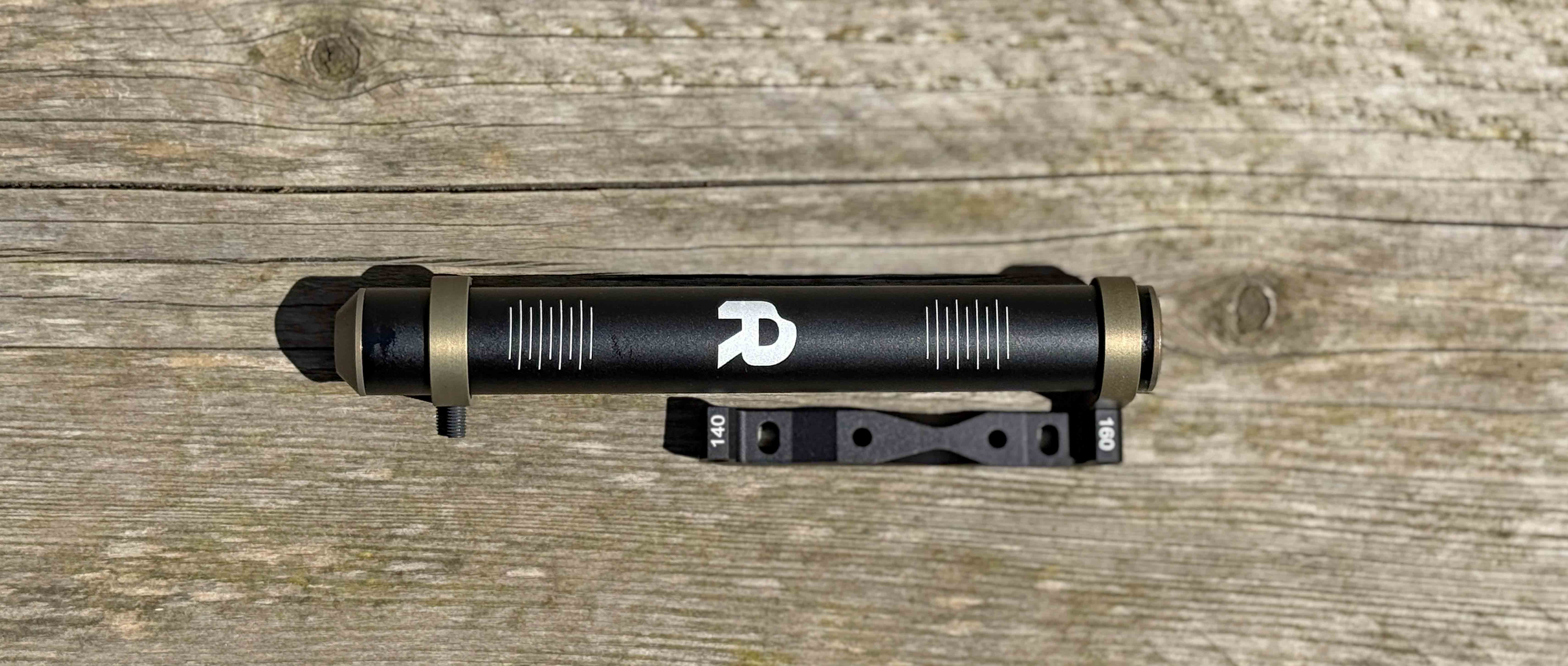
Some white lines on the body of the TMD look a little like set-up calibration marks, but I don’t think they are relevant and there is nothing on the Rimpact website to indicate that you need to position the TMD using the painted lines for guidance. Based on guidance that Gravel Union received from Rimpact, there is no further adjustment or maintenance required once the TMD has been fitted to your gravel bike.
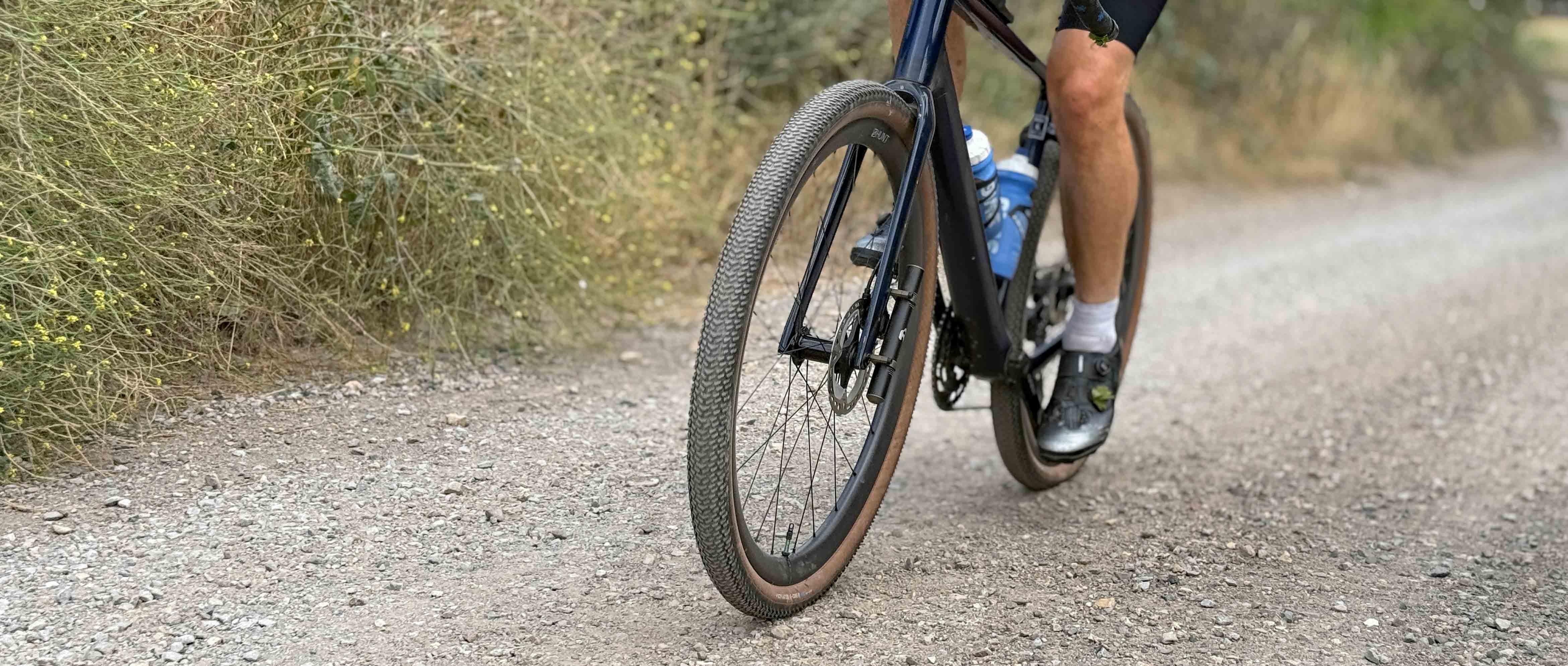
On my first ride with the TMD, I was really impressed by the reduction in chatter and feedback that I was subject to from the handlebars and I was convinced that it was a positive upgrade. It felt like a significant improvement, especially on fast rough descents. To be honest, I wasn’t convinced about the claimed 3% reduction - it felt much greater than that. Subsequent rides, however, have been less noticeable and I wasn’t sure whether I’d just got used to it and therefore I wasn’t noticing it as much anymore, or whether my initial impressions were down to a ‘placebo effect’ influencing how I was judging the TMD. I therefore decided to try to conduct some slightly more scientific research.
I downloaded an ‘accelerometer app’ on my smartphone and connected it, using a quad lock phone holder, to the top of the handlebars. The app allowed me to measure the vertical G force when riding and I chose a particularly rough cobbled descent in the centre of Newcastle near where I live to carry out some test runs.
The main observation from this trial was that there was a huge amount of ‘noise’ in the data I collected across six descents. The first three were with the TMD fitted and the final three were without. Here are the maximum and minimum G-force measurements and the range between them…
The largest range was on the final run without the TMD, but the smallest range was the fourth run, also without the TMD. I found it was difficult to keep to exactly the same line and the same speed on every run which, in hindsight, likely caused a big variation in the forces I experienced at the handlebars.
When we asked Matt Shearn about their testing procedures, he told us, “Rimpact rely on a combination of computer modelling, controlled testing and rider feedback rather than simply comparing accelerometer traces.” He went on to say, “Field data is difficult to interpret because riders naturally change their riding style, their speed varies, their body position changes and the device itself can alter rider behaviour. Our internal testing suggests that there is approximately a 3% reduction in transmitted energy across all impacts and there is approximately a 33% reduction during the biggest 15% of impacts. However, we try and avoid making too many over-complicated scientific claims. Our early marketing focused more heavily on graphs, but this encouraged endless debates over the data rather than the actual riding experience. We now prefer to emphasise improved rider feel, increased confidence, fatigue reduction and real-world testing instead of leading with technical graphs.”
I think I may have opened a rather large rabbit hole with my testing. It would be reasonable to criticise the design and execution of my experiment, but it showed me that trying to get clear data to demonstrate how this device operates is extremely difficult and certainly outside of my capability. Maybe that’s why Rimpact are keeping their claim so modest?
I’m therefore left to draw my conclusions without any compelling scientific data. After having the TMD fitted to my bike for nearly four months now, if you were to ask me whether I wanted to keep the device (and live with the 450g weight penalty) or to hand it back, I would certainly opt to keep it. That probably is as compelling an argument as anyone can make.
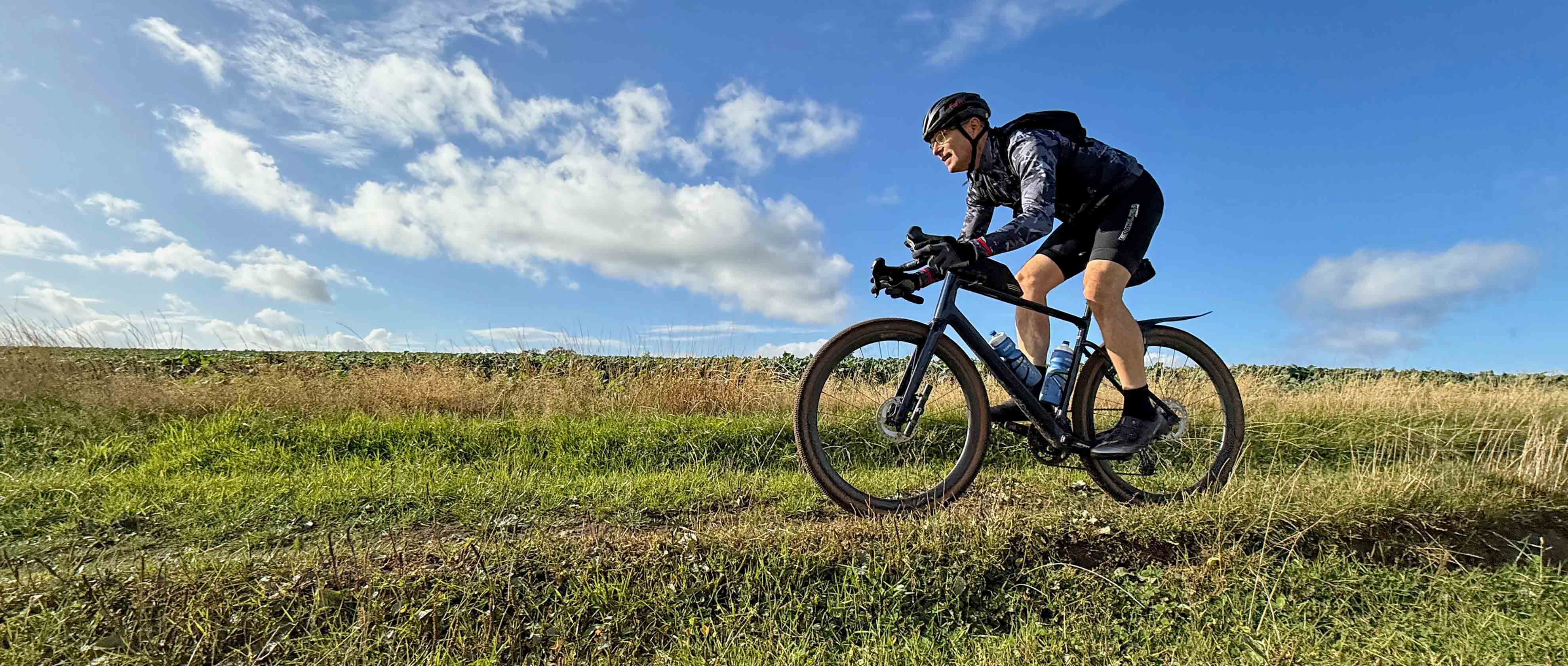
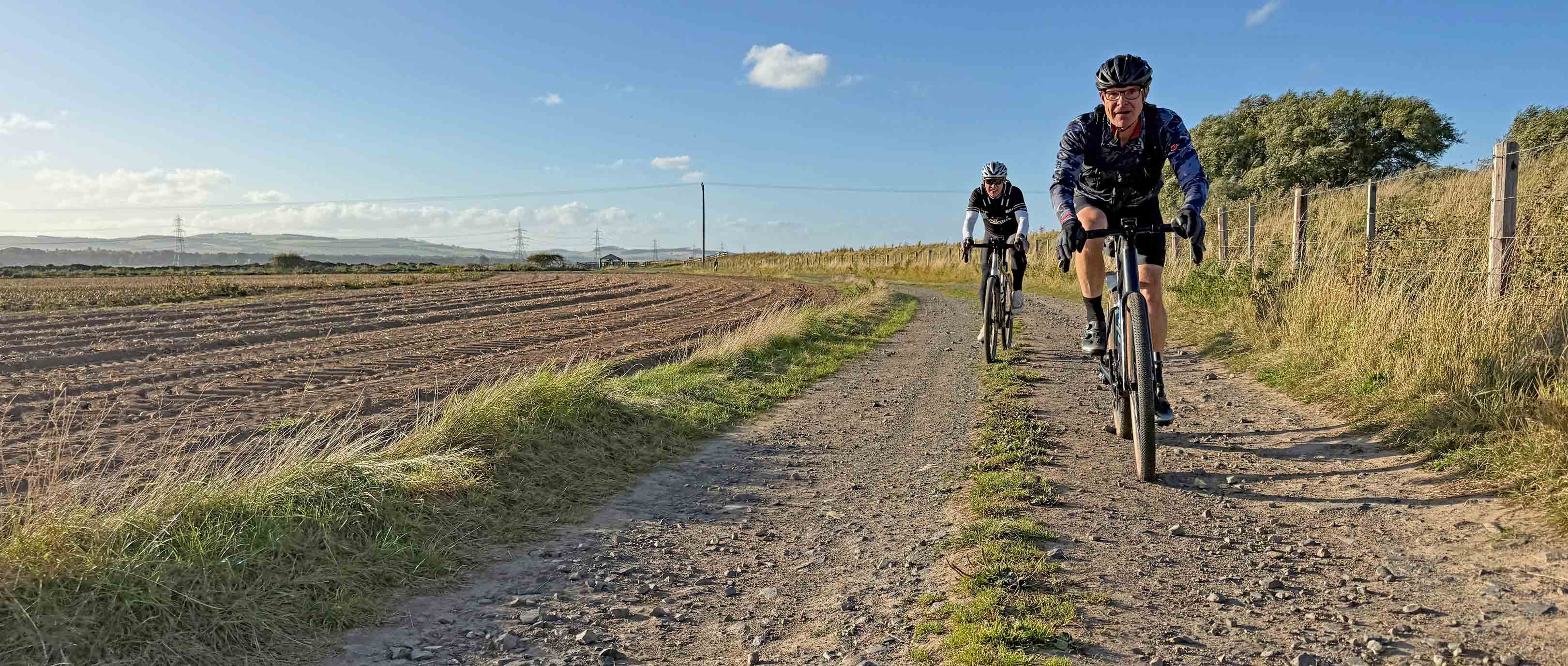
As a postscript to everything I’ve written above, I returned recently to one of our favourite gravel loops, taking in some of the most amazing and challenging trails around Wooler in Northumberland. It was on this ride back in early May this year, on one particularly fast, rough descent, that I realised I had a bit of an issue with judder and tracking on my new bike. Now that my gravel bike has the TMD fitted, I thought it would be the perfect opportunity to compare. Being able to brake safely, without judder, gave me the confidence to ‘let go’ more than I think I did before and the bike definitely felt more composed and safe. I got to the bottom with a huge grin on my face. I am now more than ever convinced that the TMD has made a significant improvement to the handling of my bike and I’m more than happy to live with the extra weight.
You can find further details about Rimpact’s TMD Gravel on their website. It sells for £229.99 and is available directly from Rimpact, via their website.